Guide
Starting a Meal Prep Business With a Rented Kitchen
Meal prep is a repeatable weekly business, ideal for a rented kitchen. Here is a plan from menu to first customers.
Free to inquire. We reply by email, usually within one business day.
To start a meal prep business in a rented kitchen, design a small rotating menu, register and insure the business, check permits for prepared meals, choose a kitchen with cooling, chilled storage and packing space, cost each meal, set an order cut-off and weekly production schedule, label allergens and ingredients accurately, plan delivery or pickup and grow volume gradually.
Define your offer
Choose who you serve and what you sell, such as healthy lunches for office workers, high-protein meals for gym members or family dinners. Decide how many meals per week, price range and delivery area. A clear niche makes menus simpler and marketing easier.
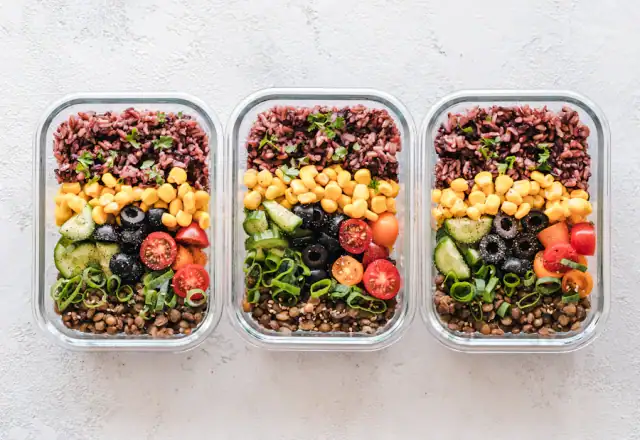
Write a menu of eight to ten dishes that share ingredients, hold well and reheat well.
Register, insure and check permits
Register your business, complete food safety training and arrange insurance. Selling prepared meals normally needs food permits, and delivery may involve extra rules. Ask your health department what applies, and confirm labeling requirements.
See rental requirements for what a kitchen will ask.
Choose a kitchen with the right facilities
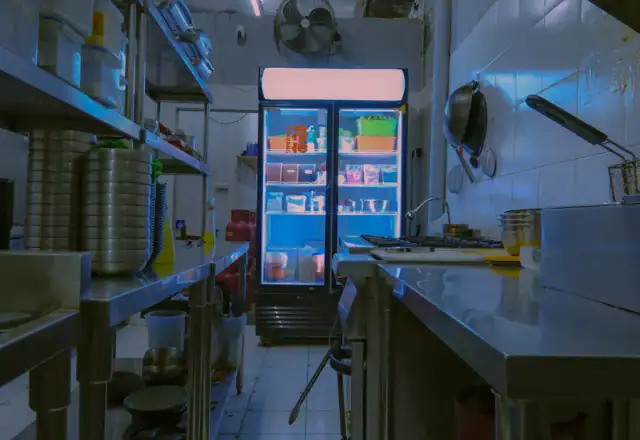
Meal prep depends on cooling, chilled storage and a clean packing area. Look for blast chilling or ice baths, enough cooler shelves, benches for packing and a pickup point. Tour with the tour checklist.
See meal prep kitchen rental, packaging area and refrigerated storage.
Launch checklist
- Define menu and niche
- Register, insure and check permits
- Tour kitchens and trial a batch
- Cost meals and set prices
- Set cut-off and production schedule
- Test cooling, packing and labeling
- Pilot with a small group
- Review and scale
Request a quote for recurring weekly slots.
Permits and labeling
Check permits for ready-to-eat meals and delivery in your state, and label every meal with ingredients, allergens, nutrition if required and use-by date. Keep batch records and train staff in food safety.
Common mistakes in meal prep
New operators often underestimate packaging cost, cook too many meals without confirmed orders, offer too many options and fail to plan cooling and storage. Others forget delivery time and cost. Keep the menu tight, use pre-orders with cutoff times and measure cost per meal weekly.
Find customers and keep them
Start with friends, local gyms and offices. Use pre-orders, subscriptions and referral discounts. Ask for feedback and adapt the menu. Consistency and reliability keep subscribers.
Track churn, order frequency and average order size.
Ordering, delivery and customer experience
Use a simple online ordering form with cutoff times, send reminders and confirm delivery windows. Offer pickup points to reduce delivery cost. Gather feedback each week and respond quickly to problems.
Cost every meal
Add ingredients, containers, labels, labor, kitchen time, delivery and a share of overhead. Divide by meals produced to get cost per meal, then set a price with a margin. Watch yields and waste closely, since they decide profit.
See recipe costing and reducing waste.
Delivery and pickup
Decide whether customers collect or you deliver. Collection needs a safe pickup point; delivery needs insulated carriers, routes and temperature checks. Plan timing so meals leave cold and arrive cold.
See transporting food from a rental kitchen.
Cost and price your meals
Calculate ingredient, packaging, labor and kitchen costs per meal. Meal prep margins are tight, so efficiency matters. Offer weekly packages with discounts for commitment, and charge for delivery. Revisit prices when costs change.
Production, packing and storage
Plan a weekly production day, cook in batches, cool quickly and pack in labeled containers. Use a packing line, record temperatures and store meals refrigerated until pickup or delivery. Rotate stock and follow shelf-life rules.
Set the weekly rhythm
Meal prep runs on a cycle: orders close, ingredients are ordered, production happens on one or two days, packing and dispatch follow. Fix cut-off times and communicate them. Book recurring slots to match.
Equipment and workflow for meal prep
A meal prep kitchen needs sturdy sheet pans, hotel pans, a combi or convection oven, a blast chiller or ice bath setup, portion scoops, a scale, a tray sealer or lids and a label printer. Arrange the workflow from raw to cooked to chilled to packed, keeping a clear separation between raw and ready-to-eat areas. Time each step so you know how many meals you can produce in a session.
Define your customer and menu
Decide whether you serve fitness clients, busy families, seniors or corporate teams. Each group wants different portions, flavors and price points. Build a rotating menu with a handful of proteins, grains and vegetables that can be combined, and offer diet options such as vegetarian or low-carb. Test with a small group before launching.
Cooling, safety and records
Cooling is the critical step. Cool cooked food from 135°F to 70°F within two hours and to 41°F within four more, using shallow pans and ice baths. Keep temperature logs and cleaning records.
See safe cooling and temperature records.
Grow with systems
Document recipes, schedules and packing procedures; add hours or a second production day when demand rises; and invest in a labeling printer and sealing machine. Review profit by package weekly.
Labeling and allergens
Each container needs product name, ingredients, allergens, date and storage and reheating instructions, plus your details. Keep an allergen matrix and check labels at packing. Update labels when recipes change.
See food labeling regulations and setting up a meal prep packing station.
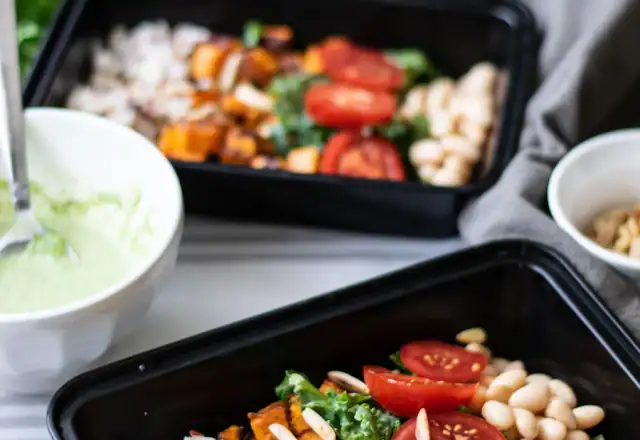
Customer acquisition for meal prep
Start with gyms, offices and neighborhood groups. Offer a trial week at a discount, ask for reviews and photos, and run a referral reward. Share menus and prep videos on social media to show quality. Make ordering easy and reliable, because retention matters more than acquisition: a loyal customer who orders weekly is worth many one-time buyers.
Subscription and ordering models
Weekly subscriptions create predictable demand and cash flow, while one-off orders offer flexibility. Offer both, with a discount for subscribers and a clear skip or pause policy. Collect payment in advance, and send reminders before the order cutoff so that you can plan ingredients accurately.
More on starting and growing a food business
This page is part of our starting and growing a food business guide. Follow the pathways below to move up to the overview, compare alongside topics or go deeper into the detail.
Start with the overview
- Kitchen Rental Resource CenterPlain-English guides organized by what you need to do: choose a kitchen, operate safely and…
- Pricing and Rental PlansA clear explanation of what you pay for, what changes the price and how to get a quote…
- How Renting WorksSix clear steps from first inquiry to your first confirmed session, with what to prepare…
Compare alongside
- Starting a Food Truck with a Commissary BaseA food truck is a kitchen on wheels that still needs a real kitchen behind it. Here is how…
- Starting a Bakery with a Rented KitchenA rented kitchen gives bakers the ovens, mixers and licensing they need without a…
- Starting a Delivery-Only Food BusinessDelivery-only brands skip the dining room but face new challenges. Learn how to launch lean…
- Starting a Catering Business with a Rented KitchenYou do not need your own kitchen to start catering. Here is a practical plan from first…
Go deeper
- Meal Prep Kitchen RentalHow meal prep and meal delivery businesses use a rented commercial kitchen: portioning…
- Setting Up a Meal Prep Packing StationA well-laid packing station can double your output. Learn how to design one that is fast…
- Planning Safe Cooling of Prepared FoodCooling is where large batches most often fail food safety. Learn how to plan capacity and…
- Food Packaging AreaA clean, organized packing area turns cooked food into a finished product. See what to look…
Frequently asked questions
Straight answers to the questions food businesses ask most about starting a meal prep business.
Do I need a permit to sell prepared meals?
Usually yes. Check locally.
How long do meals last?
Often three to five days refrigerated, but test.
How many cooking days per week?
Most start with one or two.
Can I deliver myself?
Yes, with cold chain and rules.
What do I need for cooling?
Shallow pans, ice or a blast chiller.
Can I scale easily?
Yes, with more hours and storage.
Put this guide into practice in a real kitchen
Tell us about your food business and the hours you need. We match you with a licensed kitchen and send a written quote.