Guide
Food Temperature Records for Kitchen Tenants
Records prove that food was kept safe. Learn what to log, how often and how to make it a habit.
Free to inquire. We reply by email, usually within one business day.
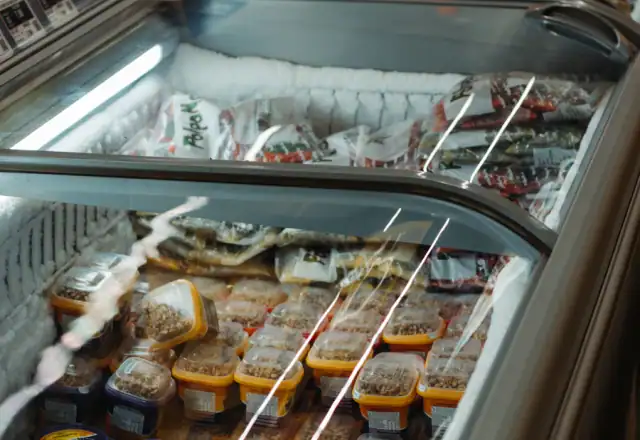
Useful food temperature records include receiving temperatures, cooler and freezer checks, cooking and reheating temperatures, hot and cold holding, cooling times and transport temperatures. Use a calibrated probe thermometer, log readings with date, time, product and initials, review weekly and keep records for the period your local authority expects.
Why temperature records matter
Records turn good practice into evidence. They show inspectors, customers and insurers that your food was held at safe temperatures, and they help you find problems before they cause harm. If a customer complains, a clear log can show that your process worked or reveal exactly where it failed.
In a shared kitchen, records also help the operator decide whether equipment is performing and whether tenants are following the rules.
Keep it simple so that people actually do it.
What to record
- Receiving: temperature of chilled and frozen deliveries
- Storage: cooler and freezer temperatures
- Cooking: core temperature reached
- Hot holding: temperature and time
- Cooling: start, two-hour and final temperatures
- Transport: temperature at loading and delivery
Match the list to your menu and process. A baker records fewer items than a caterer.
Digital versus paper logs
Paper logs are cheap and inspectors understand them, but they get lost or stained. Digital sensors and apps record readings automatically and send alerts when a fridge drifts out of range, which can save a batch of stock overnight. Choose the option you will use consistently, and back up records either way.
Key temperature limits
Common limits from the FDA Food Code include cold food at or below 41°F, hot holding at or above 135°F, poultry cooked to 165°F, ground meats to 155°F and whole cuts of beef, pork and fish to 145°F. Reheating for hot holding is normally to 165°F within two hours.
| Item | Target |
|---|---|
| Cold holding | 41°F or below |
| Hot holding | 135°F or above |
| Poultry | 165°F |
| Ground meat | 155°F |
| Whole cuts, fish | 145°F |
| Reheating | 165°F |
Confirm limits with your local authority, which may differ.
Preparing for inspections and audits
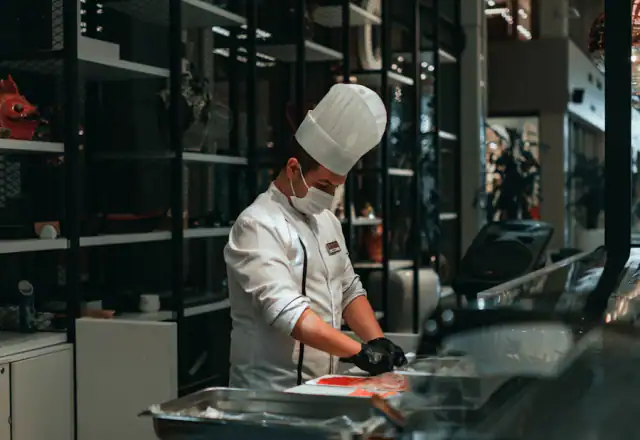
Keep records organized and accessible in one folder. Be ready to explain your process and show corrective actions. Inspectors value honest, complete records over perfect-looking ones. Practice with a mock audit and fix gaps. A prepared business has a calm audit and a good reputation.
See rental requirements for the documents operators expect.
What to record and how often
Record the temperature of refrigerators and freezers at least twice a day, cooking and reheating temperatures for each batch, cooling times and holding temperatures for hot and cold displays. Include the date, time, device, reading and the initials of the person who took it. Note corrective actions when readings are outside limits.
Review, retain and share
Review logs weekly and sign them off. Keep records for the period your authority expects, often at least a year. Share summaries with customers or auditors if they ask. Use the data to improve processes.
Records are only valuable if they are accurate, so never fill them in afterward from memory.
Use the right thermometer
Use a probe thermometer that reads quickly and accurately, and calibrate it regularly in ice water. Clean and sanitize it between uses. Measure in the thickest part of food or the center of a container. Keep a spare in case of failure.
Fridge displays are not enough; check the product as well as the air.
Replace batteries and probes on schedule.
Design a simple log
Use a one-page sheet with columns for date, time, item, temperature, action taken and initials. Keep one near each cooler and one for production. For digital logs, use a shared spreadsheet or app with timestamps. Use the same format every day.
Include a place to record corrective actions, such as moving food or discarding it.
Make sure everyone knows where logs live.
Digital monitoring options
Wireless sensors can log cooler temperatures continuously and alert you if they rise. They cost more than paper but save time and catch problems overnight. Ask the kitchen whether it uses monitoring and whether you can access the data for your shelf. For your own product, probe readings remain essential.
Choose a system that exports data so that it can support audits.
Common record-keeping mistakes
- Filling in logs from memory at the end of the day
- Using an uncalibrated thermometer
- Recording readings without noting action taken
- Skipping checks on busy days
- Letting logs go missing
- Not reviewing logs
Make recording part of the task, not an extra chore.
Calibrating thermometers and keeping logs in order
Check thermometers regularly in ice water and boiling water, replace faulty ones and keep a spare. Store logs in a binder or a digital system that is easy to retrieve for inspections. Review logs weekly to spot trends, such as a fridge that drifts upward in the afternoon.
Assign responsibility
Name a person for each shift who is responsible for completing the checks and signing the log. Train them, and make sure they know what to do if a reading is outside the limit. Share the plan with the operator if it affects shared equipment.
Clear responsibility prevents gaps. See scheduling staff in a shared kitchen.
Using the records to improve operations
Temperature logs do more than satisfy inspectors. They reveal equipment problems early, show whether cooling methods work and help you defend your product in a dispute. Share findings with the operator so that repairs are scheduled quickly.
Act on out-of-range readings
If a reading is outside the limit, act at once: move food to another cooler, reheat or cool it as rules allow, discard if needed and tell the operator if equipment is faulty. Record what you did. Investigate the cause and prevent repeats.
Acting and recording is as important as measuring.
Over time, patterns show where to improve.
More on running a rented kitchen
This page is part of our running a rented kitchen guide. Follow the pathways below to move up to the overview, compare alongside topics or go deeper into the detail.
Start with the overview
- Kitchen Rental Resource CenterPlain-English guides organized by what you need to do: choose a kitchen, operate safely and…
- Pricing and Rental PlansA clear explanation of what you pay for, what changes the price and how to get a quote…
- How Renting WorksSix clear steps from first inquiry to your first confirmed session, with what to prepare…
Compare alongside
- Building a Kitchen Cleaning ScheduleA written cleaning schedule keeps standards high without relying on memory. Here is how to…
- Setting Up a Meal Prep Packing StationA well-laid packing station can double your output. Learn how to design one that is fast…
- Cleaning vs Sanitizing Kitchen EquipmentCleaning removes dirt; sanitizing reduces germs. You need both, in the right order. Here is…
- Planning Safe Cooling of Prepared FoodCooling is where large batches most often fail food safety. Learn how to plan capacity and…
Go deeper
- Kitchen Rules and HygieneClear standards protect your food, your reputation and the other businesses using the…
- Receiving Supplier Deliveries at a Shared KitchenDeliveries are the first control point for food safety. Learn how to receive, check and…
- Refrigerated StorageHow chilled storage works in a rented kitchen: capacity, allocation, temperature…
- Preparing a Food Product Recall PlanNo one plans to recall a product, but every food business should be ready. A written plan…
Frequently asked questions
Straight answers to the questions food businesses ask most about food temperature records for kitchen tenants.
How often should I log temperatures?
At least at each key step and at the start and end of each session.
Do I need digital logs?
Paper is fine if it is complete and legible.
How long should I keep records?
Check your local authority; a year is common.
What if the cooler is above 41°F?
Move food, check the product temperature and follow local rules.
Who can sign?
A trained person named in your procedure.
Is the kitchen responsible for my records?
No. Product temperature records are your responsibility.
Put this guide into practice in a real kitchen
Tell us about your food business and the hours you need. We match you with a licensed kitchen and send a written quote.