Facilities and support
Ovens and Baking Equipment in Commercial Kitchens
A baker’s guide to ovens and baking equipment in a rented kitchen: oven types, tray sizes, proofing, cooling and the usage rules to ask about.
Free to inquire. We reply by email, usually within one business day.
Commercial baking equipment includes convection, deck and rack ovens, planetary mixers, proofing cabinets, dough sheeters and cooling racks. When renting, check oven type and number, tray dimensions, temperature range and recovery, whether steam is available, proofing and cooling space, training requirements and any usage restrictions or booking rules.
Why oven access shapes a bakery rental
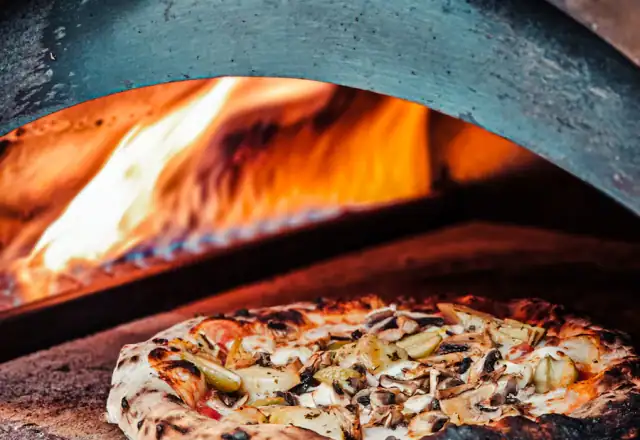
For a baker, the oven is the business. Oven capacity decides how much product you can bake in each session, and oven type shapes the character of your bread, pastries and cakes. A shared kitchen with one small oven that everyone wants at 6 a.m. is a very different proposition from one with several ovens and a clear booking system.
Before you rent, make sure the ovens match your recipes and your schedule. Ask when each oven is available, how it is booked and whether you can reserve it for your whole session. The best oven in the world is no use if you cannot use it when you need it.
Types of commercial ovens
Different ovens suit different products. Understanding the main types helps you decide what you need.
| Oven type | Best for | Notes |
|---|---|---|
| Convection oven | Cookies, pastries, cakes, roasted food | Fans circulate air for even, fast baking |
| Deck oven | Artisan bread, pizza, flatbreads | Stone or steel deck gives strong bottom heat |
| Rack oven | Large batches of bread and pastries | A whole rack rotates inside for even baking |
| Combi oven | Roasting, steaming and baking | Combines steam and convection with precise control |
| Proofing oven or cabinet | Fermenting dough | Controlled temperature and humidity |
Read more about the general oven and ask which types your kitchen offers.
Tray sizes, capacity and recovery
Capacity is measured in trays, not liters. Most commercial ovens use full sheet pans (18 by 26 inches) or half sheet pans (13 by 18 inches), and the number of racks or decks decides how many you can bake at once. Check the exact dimensions and whether the oven fits your pans, loaves or tins.

- Number of racks or decks and tray size
- Maximum and minimum temperature range
- Heat recovery after loading, which affects batch timing
- Whether the oven has steam injection for bread
- Whether temperature is accurate, and when it was last calibrated
- Usable oven space with your pans, not just the stated size
Calculate how many batches you can bake per hour and compare with your sales plan using our oven capacity planning guide.
Mixers and dough equipment
Mixing is the other big capacity limit. Planetary mixers handle batters, creams and light doughs. Spiral mixers handle heavy bread doughs more gently. Check bowl size, attachments and the maximum dough weight, because overloading a mixer shortens its life and creates safety risks.
Dough sheeters, dividers, moulders and scales speed repetitive tasks. Ask whether these are on site and whether training is required. See mixers and dough equipment for more detail, and plan workflows around the slowest machine.
Proofing, cooling and finishing space
Space to proof, cool and finish is often overlooked. Dough needs warm, humid conditions to rise, and bread must cool on racks before it is packed. Check for proofing cabinets or a warm area, enough racks and trolleys and a clean spot for finishing, glazing and decorating.
Cooling space is a hidden bottleneck. If trays stack up with nowhere to go, your ovens sit idle. Count how many racks you need for each batch and ask how many the kitchen has. See packaging area for what to look for in finishing space.
Usage rules, training and safety
Ovens and mixers can cause serious injury, so shared kitchens usually require an induction before you use them. Expect to learn how to turn equipment on and off, load and unload safely, handle hot trays and clean after use. Use heat-resistant gloves, keep walkways clear and never leave ovens unattended while empty and on.
Check any restrictions on use, such as time limits, maximum temperature or rules about shared ovens. Report faults immediately and never work around broken equipment. The kitchen rules explain safe operation and cleaning expectations.
Cleaning and care of shared ovens
Ovens in shared kitchens work hard, and cleanliness affects both performance and safety. After use, let the oven cool safely, remove crumbs and spills and wipe door glass and handles. Do not use harsh chemicals unless the operator allows them, and never spray cleaners onto hot surfaces or heating elements.
Report any problem, such as uneven heating, a faulty door seal or error codes, as soon as you notice it. Keep a note of your oven settings and results so you can reproduce them next time, and avoid altering settings that other tenants rely on without telling the operator.
What to ask on your tour about the ovens
- Which ovens are available at my hours, and how are they booked?
- What are the tray dimensions, and how many trays fit?
- Is there steam, and how is the oven calibrated?
- What training is required before I can use the ovens and mixers?
- Where can I proof, cool and rack finished product?
- Can I bring my own pans, peels and tools?
Bring a sample of your trays or tins and, if possible, test-fit them in the oven. A few minutes spent checking pans, racks and clearance can prevent weeks of frustration after you move in.
Booking oven time
Ovens are the most contested equipment in a shared bakery. Ask how oven time is allocated: by booked slot, by tenant or first come, first served. Overnight and early-morning slots are popular, so book early. Plan your bake times in sequence so oven use is efficient and you do not block others.
If oven time limits your growth, consider a private kitchen with dedicated ovens, or add extra sessions in the off-peak hours. Request a quote and tell us your batch sizes and bake times, so we can plan capacity with you.
More on equipment and facilities
This page is part of our equipment and facilities guide. Follow the pathways below to move up to the overview, compare alongside topics or go deeper into the detail.
Start with the overview
- Equipment and FacilitiesA practical checklist of the equipment, storage and support facilities that matter when you…
- Pricing and Rental PlansA clear explanation of what you pay for, what changes the price and how to get a quote…
- How Renting WorksSix clear steps from first inquiry to your first confirmed session, with what to prepare…
Compare alongside
- Cooking Line, Grills and FryersBurners, griddles, grills and fryers decide what you can cook and how fast. Here is how to…
- Freezer StorageHow freezer storage works in a rented kitchen: capacity, allocation, access, temperature…
- Mixers and Dough EquipmentBatch capacity, attachments and training decide how much dough, batter and filling you can…
- Refrigerated StorageHow chilled storage works in a rented kitchen: capacity, allocation, temperature…
Go deeper
- Bakery KitchenWhat bakers need from a rented commercial kitchen: oven capacity, mixers, proofing, cooling…
- Dry Ingredient and Packaging StorageWhat to know about dry storage in a rented kitchen: sizes, access, labeling, security, pest…
- Calculating Oven Capacity for ProductionOven time is the limit for most bakers. Learn to turn trays, bake times and changeovers…
- Request a Rental QuoteTell us about your production and get a clear, written quote built around your hours…
Frequently asked questions
Straight answers to the questions food businesses ask most about ovens and baking equipment.
What ovens are used in commercial bakeries?
Convection, deck, rack and combi ovens are common. Each suits different products, so choose based on what you bake.
Can I reserve an oven?
Often yes by booked slot. Ask how oven reservations work at your kitchen.
What tray size should I plan for?
Most commercial ovens take full sheet pans (18 by 26 inches) or half sheets (13 by 18 inches). Check your pans fit.
Do I need training to use the mixers?
Many kitchens require an induction for mixers and ovens for safety.
Can I bring my own pans and tools?
Yes, and most bakers do. Confirm what is provided and what to bring.
Is steam available for bread?
Some deck and combi ovens have steam injection. Ask which ovens do and when they are available.
Can I bring a test bake to a tour?
Ask in advance. Some kitchens allow a short trial bake, which is the best way to check how the ovens perform.
See the kitchen and equipment in person
Tell us what you cook and which equipment matters. We confirm a viewing time by email.