
Rental options
Teaching Kitchen Hire for Cooking Classes
Hire a professional kitchen set up for teaching, with student workstations, clear sightlines and the safety standards classes need.
Free to inquire. We reply by email, usually within one business day.
A teaching kitchen is a commercial kitchen hired for cooking classes, workshops and training. Look for individual student workstations, instructor visibility, enough equipment per group, handwashing access and clear safety induction. Class capacity depends on workstations, space and rules, so agree numbers and rules with the operator before you book.
What teaching kitchen hire involves
Teaching a class in a commercial kitchen gives students a professional learning environment with real equipment, but it also creates responsibilities. Beginners move more slowly, handle knives and heat less confidently and need closer supervision than trained cooks. A good teaching booking plans for all of this: the space, the equipment, the safety briefing and the pace of the class.
Instructors, culinary programs, corporate team-building organizers and community groups all use teaching kitchens. Each has different needs, from a ten-person private class to a larger workshop with several assistants. Defining your format early makes it easier to choose the right space and setup.

Student workstations and equipment
The number of students you can teach depends on how many people can work safely at once. Each student or pair needs counter space, access to a burner or oven, a handwashing sink within reach and the tools for the recipe. A common approach is to teach in pairs, with each pair sharing a workstation.
- Number of prep stations and counter length per student
- Burners, ovens and other equipment available per group
- Handwashing sinks and soap close to workstations
- Cutting boards, knives, utensils and aprons
- Refrigerated space for ingredients during the class
- A demonstration area where all students can see
Confirm what is supplied and what you must bring. See equipment and facilities for what to ask.
Instructor visibility and teaching space
Teaching works best when everyone can see. Look for a demonstration station with a clear sightline, ideally with overhead mirrors, a camera and screen or a raised counter. If you plan a demonstration followed by hands-on work, check there is room for students to gather safely away from hot surfaces.
Also consider where students will wait and eat. A teaching booking may include a table area for tasting, so check whether food can be eaten in the kitchen or only in a separate space, because many health departments restrict eating in food preparation areas.

Class capacity and safety
Capacity is limited by safety as much as by space. Keep walkways clear, supervise students around heat and knives, and keep the ratio of instructors to students manageable. A common rule of thumb is one instructor or assistant for every six to eight students in a hands-on class, though your operator’s rules and the nature of the class decide.
Brief students at the start on handwashing, hair and clothing, knife safety, hot surfaces and allergen information. Ask students to disclose allergies in advance, and plan menus that minimize risk. The kitchen rules apply to your class just as they do to regular tenants.
Induction, insurance and permits
Instructors are normally inducted into the kitchen before their first class so they can guide students through the rules. The operator may require your proof of insurance, including liability cover for your classes, and may ask for a list of staff and assistants. Checking whether you need local permits to teach commercial classes or sell tickets is your responsibility.
If food from your class will be sold, you need the right permits. Classes where students eat what they make are different from selling product, so check with your local health department and discuss the plan with us.
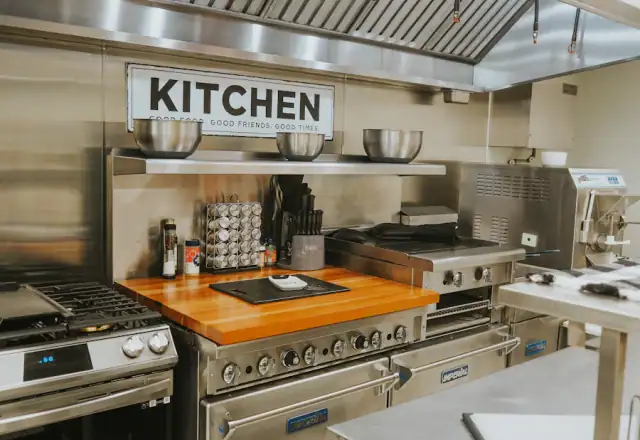
Planning a successful class
- Design a recipe that fits the time, skill level and equipment
- Prepare ingredients and mise en place in advance for each station
- Plan a timeline with demonstration, hands-on and tasting blocks
- Brief safety and hygiene at the start
- Build in cleaning time for students and instructors
- Collect feedback and note improvements for next time
Use our guide to designing a menu for efficient production to choose recipes that work for a group.
Class formats that work well in a commercial kitchen
- Hands-on workshopseach pair cooks the full recipe at its own station
- Demonstration classesthe instructor cooks while guests watch and taste
- Skills sessionsfocused lessons on knife skills, bread or sauces
- Corporate team-buildinggroup cooking challenges and shared meals
- Training for staffonboarding and refresher sessions for kitchen teams
- Kids and family classesadapted recipes with extra supervision
Choose a format that matches the equipment and space available. If you want to run classes regularly, ask about recurring booking rates and storage for class supplies.
Costs and booking
Teaching kitchen costs depend on the length of the class, the amount of equipment you use, any assistants provided and cleaning requirements. Expect to book the kitchen for the class plus setup and clean-down, and plan for ingredient costs separately. If you want the kitchen set up in advance, say so when you book.
To start, tell us your class format, student numbers, equipment needs and dates. We will recommend a setup and provide a quote. Request a quote or book a tour to see the space.

Accessibility and inclusion in cooking classes
Good classes welcome every kind of learner. Consider step-free access, restroom facilities and space for people using mobility aids. Offer clear written instructions, large print recipes and verbal explanations. Allow extra time for those who need it, and design recipes with adaptations for dietary needs, such as vegetarian, gluten-free and nut-free options.
Ask guests about allergies, dietary needs and accessibility requirements when they book. Share this information with your assistants and plan menus and workstations accordingly. The kitchen can tell you about its accessibility features before you commit so you can set expectations with participants.
More on kitchen rental formats
This page is part of our kitchen rental formats guide. Follow the pathways below to move up to the overview, compare alongside topics or go deeper into the detail.
Start with the overview
- Commercial Kitchen RentalEverything you need to choose between shared, private, hourly, ghost and production…
- Pricing and Rental PlansA clear explanation of what you pay for, what changes the price and how to get a quote…
- How Renting WorksSix clear steps from first inquiry to your first confirmed session, with what to prepare…
Compare alongside
- Kitchen Hire for Live Cooking EventsA professional kitchen for demonstrations and live food events, with the space, layout and…
- Kitchen StudioA working professional kitchen for filming, photography and content, with the practical…
- Part-Time KitchenRecurring weekly shifts give you predictable access and a lower hourly cost than ad-hoc…
- Test and Development Kitchen HirePrivate space and professional equipment to develop recipes, run trials and prepare samples…
Go deeper
- Request a Rental QuoteTell us about your production and get a clear, written quote built around your hours…
- Shared Kitchen RentalAllocated workstations, shared professional equipment and clear scheduling, the most…
- Kitchen Rules and HygieneClear standards protect your food, your reputation and the other businesses using the…
- Book a Kitchen TourSee the equipment, test your workflow and ask the questions that matter. Tours are free…
Frequently asked questions
Straight answers to the questions food businesses ask most about teaching kitchen hire.
How many students can I teach in a commercial kitchen?
It depends on workstations, space, safety rules and instructor numbers. We agree the maximum for your booking in advance.
Can students eat in the kitchen?
Many health departments restrict eating in preparation areas. Ask about a separate tasting space.
Do I need special insurance to run classes?
Typically yes. Operators usually require liability cover that includes your teaching activity.
Can I sell tickets and charge for classes?
You can usually charge for classes, but check local rules and permits. We can discuss what is needed.
Do I need to supply ingredients and tools?
Usually yes for ingredients and consumables. Confirm which tools and equipment the kitchen provides.
Can I run regular weekly classes?
Yes. Recurring bookings can be arranged for classes that run on a schedule.
Can children attend a class in a commercial kitchen?
Often with extra supervision and agreed safety rules. Check minimum ages and insurance requirements before booking.
Can I run corporate team-building sessions?
Yes. Many teaching bookings are for corporate groups, with the same safety rules and insurance requirements.
Do I need my own assistants?
It depends on class size. We recommend at least one assistant for hands-on classes with more than six students.
Ask about this kitchen option
Tell us what you need and we reply by email, usually within one business day, with a clear next step.