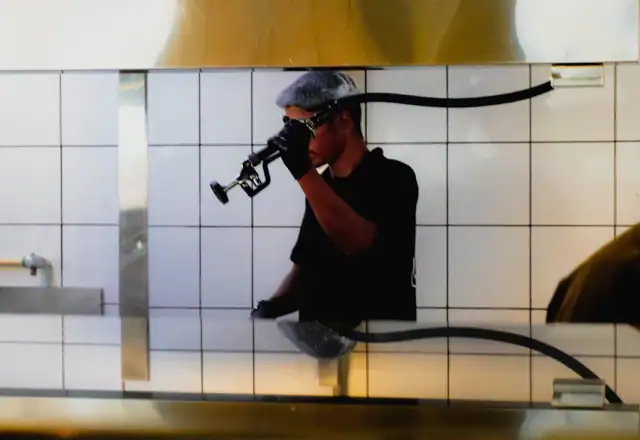
Kitchen rules
Kitchen Rules, Hygiene and Cleaning Standards
Clear standards protect your food, your reputation and the other businesses using the space. Here is what we expect before, during and after every session.
Free to inquire. We reply by email, usually within one business day.
Kitchen rules cover personal hygiene, safe temperatures, allergen separation, equipment use, cleaning before you leave, waste disposal, and respecting access boundaries. Renters wash hands, label and date food, keep cold food at or below 41°F and hot food at or above 135°F, and leave stations clean, sanitized and ready for the next user.
Why shared kitchens need clear rules
In a shared kitchen, your actions affect everyone else’s food and every other business’s inspection results. A single lapse in cleaning or allergen control can create problems for several tenants at once. Clear rules make expectations the same for everyone, keep the kitchen inspection-ready and prevent disputes.
The rules below reflect common standards based on food safety guidance such as the FDA Food Code and HACCP principles. The version in your rental agreement is the one that applies to you, so read that carefully during onboarding.
Personal hygiene
Good hygiene is the foundation of food safety. Wash your hands for at least 20 seconds with soap and warm water at the start of each session, after using the restroom, after handling raw food, after touching your face, phone or trash, and whenever hands become contaminated. Use disposable gloves as an additional barrier, not as a replacement for hand washing.
- Tie back hair and wear a hat or hairnet
- Wear clean clothing and closed, non-slip shoes
- Remove jewelry that could fall into food, apart from a plain band
- Do not work if you are sick with vomiting, diarrhea, fever or jaundice
- Eat, drink and smoke only in designated areas
Temperature and food handling
Bacteria multiply fastest between 41°F and 135°F, known as the temperature danger zone. Keep cold foods at or below 41°F and hot foods at or above 135°F. Cook poultry to 165°F, ground meats to 155°F and whole cuts of beef, pork and fish to 145°F, using a calibrated probe thermometer.
Cool cooked food quickly. A common standard is from 135°F to 70°F within two hours and from 70°F to 41°F within a further four hours. Reheat to 165°F within two hours before hot holding. Never thaw at room temperature; thaw under refrigeration, in cold running water or as part of cooking.
Allergen control and cross-contamination
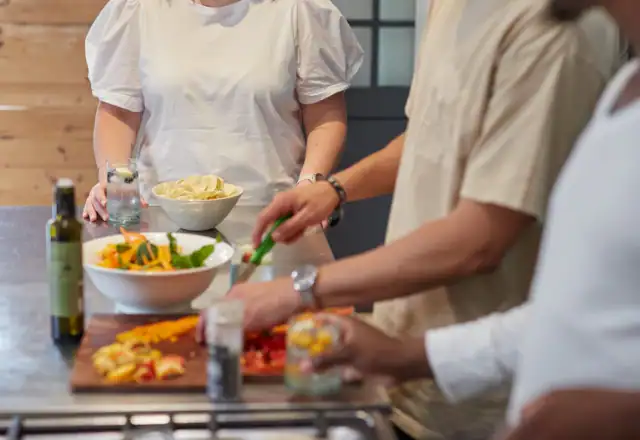
The nine major allergens in the United States are milk, eggs, fish, shellfish, tree nuts, peanuts, wheat, soybeans and sesame. Because shared kitchens handle many products, every renter must declare allergens in their products, use separate or thoroughly cleaned equipment, store allergen ingredients separately and below ready-to-eat foods, and label everything clearly.
Prevent cross-contamination by using separate cutting boards and utensils for raw and ready-to-eat foods, cleaning surfaces between tasks and keeping raw meat below other items in refrigeration. See also our guidance on food allergy planning when you move into shared production.
Equipment use and safety
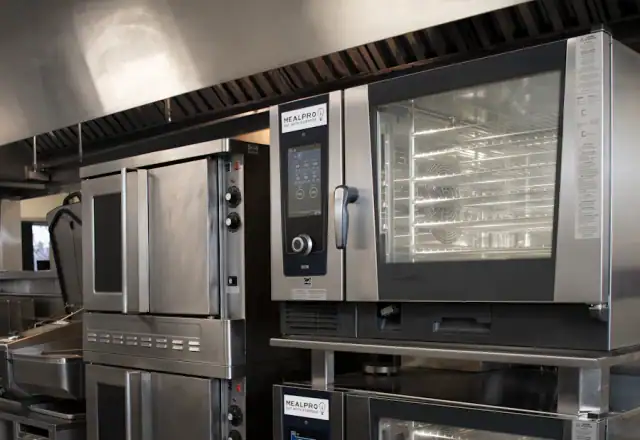
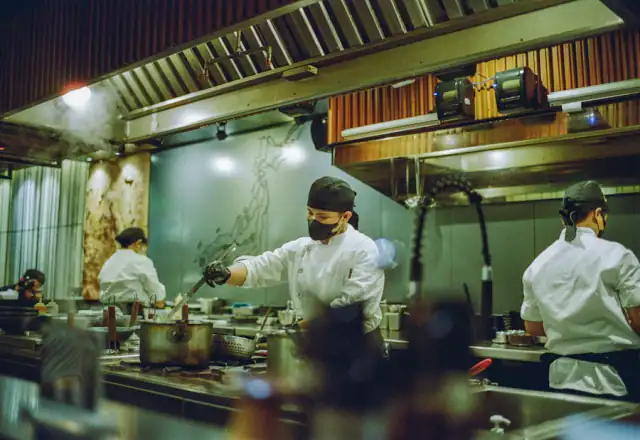
Use only the equipment you were inducted on, and follow the instructions posted nearby. Never remove guards, bypass safety features or leave equipment running unattended unless it is designed for that. Report faults immediately instead of working around them, and tag broken equipment so no one else uses it.
- Turn off and clean equipment after use
- Keep walkways, exits and fire equipment clear
- Do not move or borrow other tenants’ equipment without permission
- Use the correct cleaning chemicals and never mix them
- Know where the first-aid kit, fire extinguishers and exits are
A quick pre-shift and end-of-shift checklist
Checklists turn rules into habits. Use this short list at the start and end of every session until it becomes second nature.
Before you start
- Wash hands and put on clean clothing, hairnet and gloves
- Check that your station is clean and sanitized
- Test your sanitizer concentration with a test strip
- Calibrate or check your probe thermometer
- Label containers and set out allergen-safe tools
Before you leave
- Wash, rinse and sanitize all equipment and surfaces
- Label, date and store all product in your allocated space
- Remove trash and recycling, and clean the sink area
- Switch off equipment and check nothing is left running
- Log any damage or issues so the next user is not affected
Access, guests and conduct
Only people named on your agreement and inducted into the kitchen may work inside. Do not share access credentials, prop doors open or let unregistered guests into food areas. Visitors, delivery drivers and customers should stay in designated areas and never in food preparation zones.
Treat other tenants and staff respectfully, keep noise reasonable and report incidents promptly. The security and access page explains how entry works. Serious or repeated breaches of these rules can lead to suspension of access, so ask if anything is unclear.
Cleaning before you leave
A kitchen is only ready for the next user when it is clean and sanitized. Before you leave, scrape and wash all equipment, sanitize food-contact surfaces, sweep and mop your area, empty and replace trash, clean sinks and wipe down handles and switches. Return shared tools to their places.
Use the three-step process of wash, rinse and sanitize at the three-compartment sink, and let items air dry. Check the dishwashing facilities page for responsibilities, and allow time for cleaning inside your booked slot. Inadequate cleaning may lead to cleaning fees under your agreement.
Storage, labeling and waste
Label every container with the product name, date and your business name. Store food off the floor, use only your allocated space and follow first-in, first-out rotation. Do not leave product beyond the time allowed in your agreement; unlabeled or expired items may be discarded.
Dispose of food waste, grease and trash in the designated containers, never down floor drains or sinks. Flatten cardboard and place recycling in the correct area. Keep waste containers covered and empty them before they overflow.
More on commercial kitchen rental
This page is part of our commercial kitchen rental guide. Follow the pathways below to move up to the overview, compare alongside topics or go deeper into the detail.
Start with the overview
- Commercial Kitchen RentalEverything you need to choose between shared, private, hourly, ghost and production…
- Pricing and Rental PlansA clear explanation of what you pay for, what changes the price and how to get a quote…
- Kitchen Rental States and AreasBrowse every state and its areas, learn how local rules shape your options and request help…
Compare alongside
- Availability and BookingRequest the time you need, learn how confirmations work and see what to expect before…
- Rental RequirementsA plain checklist of what you need before you rent, why each item matters and how to check…
- Book a Kitchen TourSee the equipment, test your workflow and ask the questions that matter. Tours are free…
- How Renting WorksSix clear steps from first inquiry to your first confirmed session, with what to prepare…
Go deeper
- Dishwashing and Wash-Up FacilitiesClean equipment is the foundation of food safety. Know what wash-up capacity to expect and…
- Equipment and FacilitiesA practical checklist of the equipment, storage and support facilities that matter when you…
- Shared Kitchen RentalAllocated workstations, shared professional equipment and clear scheduling, the most…
Frequently asked questions
Straight answers to the questions food businesses ask most about kitchen rules and hygiene.
What temperature should cold food be kept at?
Keep cold food at or below 41°F and hot food at or above 135°F. Avoid leaving food in the danger zone between those temperatures.
How do shared kitchens handle allergens?
Renters declare allergens, label products, use separate or properly cleaned equipment and store allergen ingredients separately to prevent cross-contact.
Who cleans the kitchen after I use it?
You are responsible for cleaning your station and equipment before you leave. Staff may handle deep cleaning, but your use should leave the space ready for the next user.
Can I bring guests into the kitchen?
Only people named in your agreement and inducted into the kitchen may work in it. Visitors should stay in designated areas.
What happens if I break a rule?
Minor issues are corrected through reminders. Repeated or serious breaches, especially around food safety, can lead to fees or suspended access as set out in your agreement.
Do I need to bring my own cleaning supplies?
Basic sanitizer is often provided, but confirm what is supplied and what you should bring.
Ask about this kitchen option
Tell us what you need and we reply by email, usually within one business day, with a clear next step.