Who uses the kitchen
Commercial Kitchen Rental for Food Trucks and Commissary Support
How food truck operators use a commercial kitchen as a commissary base: prep, storage, cleaning, water and waste, and what local rules require.
Free to inquire. We reply by email, usually within one business day.

A commissary kitchen is a licensed commercial kitchen that supports a food truck for off-truck prep, food and equipment storage, cleaning, water filling and waste disposal. Many health departments require trucks to operate from a commissary, so renting a commercial kitchen gives food truck owners compliance, extra capacity and a reliable base.
Why food trucks need a commercial kitchen base
A food truck is a small kitchen on wheels, and it cannot do everything. Space for prep, cold storage and cleaning is limited, and most health departments do not allow a truck to dispose of wastewater or wash equipment anywhere. A commissary kitchen fills the gap by providing a licensed place to prepare food, store it, clean the truck and dispose of waste.
In many areas, regulations require trucks to be based at a licensed commissary and to report there daily or on a set schedule. Renting commercial kitchen space with commissary support gives you the legal base, plus the extra capacity to prep food in volume before service.

What a commissary provides
The exact services differ between kitchens, so check each one against your needs and local rules.
- Prep space with commercial equipment for off-truck cooking
- Dry, refrigerated and freezer storage for ingredients and finished product
- Dishwashing and equipment cleaning facilities
- Potable water filling and wastewater and grease disposal
- Parking for the truck overnight or between service days
- Power hookups for refrigeration or generators
See the food truck support page for what to ask about parking, water, power and waste.
Choosing between a commissary and your own base
Some owners consider a private base such as a warehouse or shared yard instead of a commissary. These can work in places where regulations allow, but they usually need to meet the same standards for water, waste, cleaning and storage that a commissary provides. Building those yourself rarely costs less than renting a commissary.
A rented commissary also provides a ready-made inspection history and trained staff who understand mobile food rules. If your health department requires a commissary agreement, a signed letter from a licensed facility is often the simplest solution. Ask what documents they need and whether we can supply them.
Growing from one truck to several
When a food truck succeeds, owners often add a second vehicle, a trailer or a catering arm. Plan for this early: ask how many vehicles can park at the kitchen, whether prep space and storage scale with them and how much flexibility the plan gives you. A kitchen that can grow with you saves a difficult move later.
Standardize recipes and prep processes so new crews can follow them. Centralized prep at a commissary lets each truck focus on service, and creates consistency across your fleet. See our guide to starting a food truck with a commissary base.
Daily rhythm of a commissary-based truck
A typical truck day starts and ends at the commissary. In the morning the crew collects the truck, loads ingredients and prepared food, fills water tanks and checks equipment. After service they return to unload leftovers, clean the truck and wash equipment, dispose of grease and wastewater and restock for the next day.
Build this routine into your booking. Allow time for loading in the morning and for the full clean-down in the evening. A commissary booking that covers both ends of the day keeps your truck compliant and ready for the next shift.

Local rules and permits
Mobile food vending is heavily regulated. Requirements often include a mobile food unit permit, a commissary agreement, inspections of the truck and proof of regular servicing at the commissary. Some cities also restrict locations and times at which trucks can vend.
Because rules differ across states and counties, talk to your local health department early. Ask what the commissary must provide, how often you must report and what documents you need. Share them with us so we can confirm the arrangement meets your requirements, and read the rental requirements page.
Prep, storage and cold chain
The more you prep off-truck, the faster service goes. Chopping, marinating, portioning and cooking sauces in the commissary lets the truck focus on finishing and serving. Reliable refrigeration is critical: keep cold food at or below 41°F during storage and transport, and use insulated containers with ice packs or a refrigerated truck unit.
Storage space is often the deciding factor for trucks. Check shelf and cooler capacity, how it is allocated and how long you can keep product. Learn about refrigerated storage and dry storage.
Waste, water and cleaning
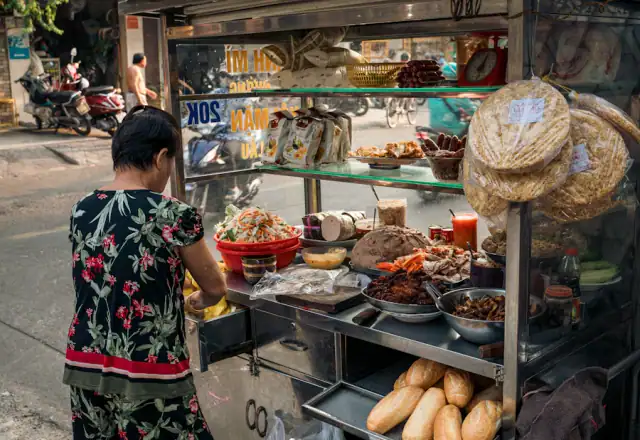
Wastewater, grease and trash cannot be dumped on the street. A good commissary provides a proper disposal point for gray water and grease, a way to fill clean water tanks and a place to wash and sanitize equipment. Ask whether disposal is included or charged, and whether a staff member must supervise it.
Keep the truck cleaning routine consistent. Wash, rinse and sanitize all food-contact surfaces and utensils, clean floors and grease traps and empty trash. This protects your food, helps you pass inspections and keeps the commissary running smoothly for other tenants. See the kitchen rules.
Costs and choosing a plan
Food truck owners often combine a shared membership for prep with a parking and support add-on. If you operate only a few days a week, an hourly or part-time plan may be enough. If you run daily, a membership with included storage and service access is typically cheaper.
Compare the total monthly cost including parking, water, waste and storage. A commissary that charges separately for each service can cost more than one with a bundled plan. See the pricing page and request a quote to compare.
More on who uses a rented kitchen
This page is part of our who uses a rented kitchen guide. Follow the pathways below to move up to the overview, compare alongside topics or go deeper into the detail.
Start with the overview
- Commercial Kitchen RentalEverything you need to choose between shared, private, hourly, ghost and production…
- Pricing and Rental PlansA clear explanation of what you pay for, what changes the price and how to get a quote…
- How Renting WorksSix clear steps from first inquiry to your first confirmed session, with what to prepare…
Compare alongside
- Kitchen Rental for Street Food VendorsPrep space, portable-kit storage and early-morning access for street food vendors working…
- Meal Prep Kitchen RentalHow meal prep and meal delivery businesses use a rented commercial kitchen: portioning…
- Pop-Up Kitchen RentalShort-term kitchen space for pop-up restaurants and menu trials, with advice on service…
- Bakery KitchenWhat bakers need from a rented commercial kitchen: oven capacity, mixers, proofing, cooling…
Go deeper
- Food Truck Parking and SupportA commissary base is more than a kitchen. Check parking, water, power and waste services…
- Shared Kitchen RentalAllocated workstations, shared professional equipment and clear scheduling, the most…
- Starting a Food Truck with a Commissary BaseA food truck is a kitchen on wheels that still needs a real kitchen behind it. Here is how…
- Rental RequirementsA plain checklist of what you need before you rent, why each item matters and how to check…
Frequently asked questions
Straight answers to the questions food businesses ask most about kitchen rental for food trucks.
Do I need a commissary for my food truck?
Many jurisdictions require one. Check with your local health department what your area requires.
Can I park my truck overnight at the kitchen?
Some kitchens offer parking. Ask about space, size limits, security and cost.
Can I dump grease and wastewater at the kitchen?
A proper commissary provides a disposal point. Confirm it is available and whether charges apply.
Can I prep food in the kitchen and serve from the truck?
Yes, that is the usual approach. Prep in the commissary, then transport safely to the truck.
What permits do I need as a food truck operator?
Typically a mobile food unit permit, business registration, food safety certification and a commissary agreement. Requirements vary by location.
Can I use the kitchen for several trucks?
Often yes, subject to parking, scheduling and storage. Ask about multi-truck arrangements.
Can a food cart or trailer use the commissary too?
Usually yes. Ask about size limits, parking and the services included for carts and trailers.
Get matched with a kitchen for your business
Share what you make and how often you cook. We check real kitchens and reply with options and prices.