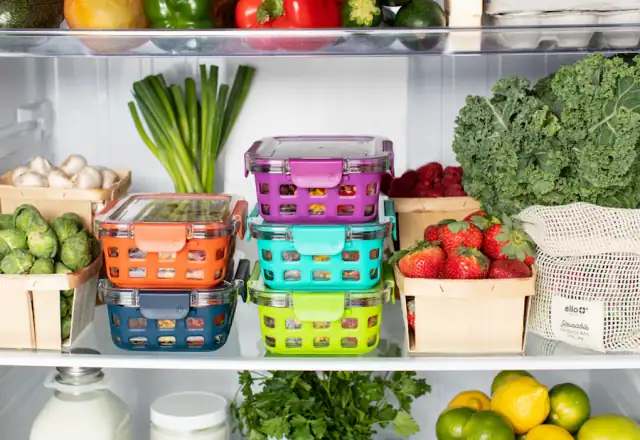
Who uses the kitchen
Meal Prep Kitchen Rental for Meal Delivery Businesses
How meal prep and meal delivery businesses use a rented commercial kitchen: portioning, packing, chilled storage and recurring production slots.
Free to inquire. We reply by email, usually within one business day.
Meal prep kitchen rental gives meal delivery and meal prep businesses licensed space for batch cooking, portioning, packing and chilled storage. Meal prep brands usually book recurring weekly production slots, use blast chilling and refrigerated storage and need a packing area, labeling and delivery pickup for weekly orders.
Why meal prep businesses rent commercial kitchens
Meal prep is a repeatable, schedule-driven business. Customers order for the week, and the kitchen cooks, portions and delivers on fixed days. That pattern suits rented commercial space well because you can book regular production slots, predict your hours and keep costs in line with orders. Starting with rented space avoids the capital cost of a kitchen before the business has proven its demand.
Home kitchens rarely meet regulation for selling prepared meals, and they cannot handle the volume once orders pass a few dozen a week. A licensed shared kitchen offers the capacity, the refrigeration and the legal footing that make growth possible.
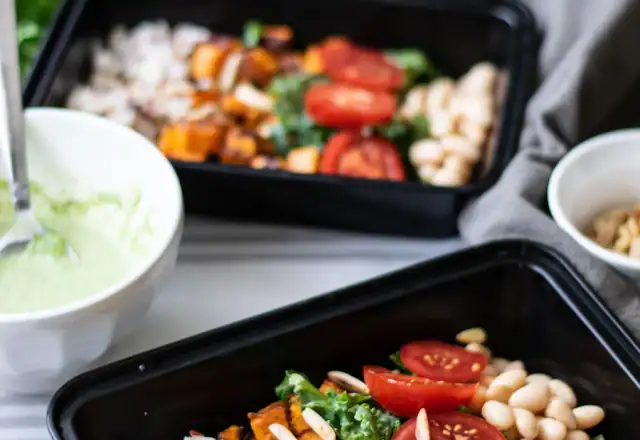
A weekly production workflow
Most meal prep businesses follow a similar weekly rhythm. Order cut-off happens a day or two before cooking, giving you time to calculate quantities and place supplier orders. One or two production days then handle shopping, prep, cooking, cooling and portioning. Packing and labeling follow, and delivery or pickup happens within a day or two.
- Close orders and calculate ingredient quantities
- Receive and store deliveries at safe temperatures
- Prep and cook in batches
- Cool cooked food quickly to 41°F
- Portion into containers on a clean packing line
- Label, seal and store chilled until dispatch
- Hand over to couriers or customers
Work this out on paper first, then test it in one trial session.
Cooling, chilled storage and shelf life
Meal prep depends on safe cooling. Cooked food must move from 135°F to 70°F within two hours and to 41°F within a further four hours. Blast chillers or ice baths and shallow containers make this achievable at scale. Plan your cooling capacity before you plan your menu.
Chilled storage is the second pillar. Meals normally stay refrigerated until dispatch, and shelf life depends on recipe, packaging and temperature. Date every container and rotate stock. Our guides on planning refrigeration capacity and safe cooling of prepared food help you size what you need.
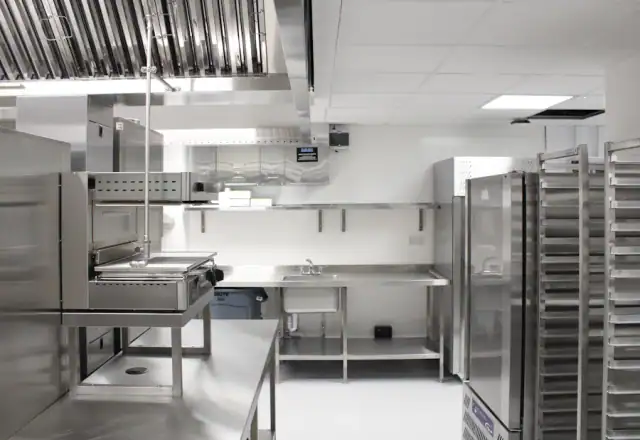
Portioning, packing and labeling
The packing line is where meal prep businesses win or lose time. Set up a clean, organized station with scales, containers, lids and labels within reach. Use consistent portion sizes, and check weights regularly so customers receive what they paid for. A well-arranged line can double your output per hour.
Labels must show the product name, ingredients, allergens, date and storage and reheating instructions, along with your business name and details. Consult labeling rules for your state and sales channel. See packaging area and our meal prep packing station guide.
Costing a meal and pricing for profit
Meal prep margins depend on knowing your true cost per meal. Add ingredient cost, packaging, labels, labor, delivery, kitchen rental and a share of overhead such as insurance and software, then divide by the number of meals produced. Many founders forget kitchen time or underestimate packaging, and their margins disappear once the business scales.
Test pricing against your costs, not only against competitors. If a competitor sells at a price you cannot match profitably, differentiate on quality, convenience or niche, not on cost. Our guides on recipe costing and pricing your food products show how to set prices with confidence.
Allergens and dietary programs
Customers choose meal prep for health reasons, so accuracy about ingredients and allergens is critical. Keep a master recipe file with every ingredient, and update labels when a supplier or recipe changes. Separate allergen ingredients in storage, use dedicated utensils for allergen-free meals and clean thoroughly between batches.
If you offer specific dietary programs such as keto, vegan or gluten-free, make sure the claims are accurate and consistent across every item. Check labeling regulations for health claims, and train staff on cross-contamination controls. Our kitchen rules describe the controls we expect.
Questions meal prep businesses should ask on a tour
- How much blast chilling and refrigerated storage can I reserve?
- Where is the packing station and how long can I use it?
- Can customers or couriers collect from the kitchen?
- How are allergens separated during my production day?
- Can I add a second weekly production day as we grow?
- What are the storage time limits for finished meals?
Delivery and pickup logistics
Think about how meals leave the kitchen. If customers collect, you need space for a pickup point or a lobby that stays out of production areas. If you deliver, plan routes, insulated bags and cold packs, and a way to check each load against orders. Late or warm deliveries cause refunds and bad reviews.
Ask about loading access and where couriers can wait. A kitchen with a dedicated dispatch area, like those used by ghost kitchens, can save time every week. Check loading and deliveries for details.
Costs and choosing a format
Most meal prep businesses start with a shared membership with one or two long production sessions each week. As order numbers grow, they add hours or move to a production kitchen or private unit with more storage and cooling capacity.
Calculate cost per meal: kitchen hours, ingredients, packaging, labor and delivery divided by meals produced. If kitchen cost per meal is too high, the fix is usually more efficient batches rather than a cheaper kitchen. See the pricing page and request a quote.
More on who uses a rented kitchen
This page is part of our who uses a rented kitchen guide. Follow the pathways below to move up to the overview, compare alongside topics or go deeper into the detail.
Start with the overview
- Commercial Kitchen RentalEverything you need to choose between shared, private, hourly, ghost and production…
- Pricing and Rental PlansA clear explanation of what you pay for, what changes the price and how to get a quote…
- How Renting WorksSix clear steps from first inquiry to your first confirmed session, with what to prepare…
Compare alongside
- Kitchen Rental for Food TrucksHow food truck operators use a commercial kitchen as a commissary base: prep, storage…
- Bakery KitchenWhat bakers need from a rented commercial kitchen: oven capacity, mixers, proofing, cooling…
- Kitchen Rental for Street Food VendorsPrep space, portable-kit storage and early-morning access for street food vendors working…
- Catering Kitchen RentalEverything a catering business should check in a rented kitchen: batch capacity, holding…
Go deeper
- Food Packaging AreaA clean, organized packing area turns cooked food into a finished product. See what to look…
- Cloud, Dark and Ghost Kitchen RentalDelivery-first kitchen space with rider collection and dispatch support, for brands that…
- Central Production Kitchen RentalBulk production space with the throughput, cooling and storage to support volume cooking…
- Starting a Meal Prep BusinessMeal prep is a repeatable weekly business, ideal for a rented kitchen. Here is a plan from…
Frequently asked questions
Straight answers to the questions food businesses ask most about meal prep kitchen rental.
Can I run a meal prep business from a rented kitchen?
Yes, provided you hold the permits your state and county require for selling prepared meals.
How much chilled storage do I need?
It depends on weekly volume and how long meals stay before dispatch. Estimate the number of containers and their size, then ask for shelf or rack space accordingly.
What temperature should cooked meals be cooled to?
Cool to 41°F or below, moving from 135°F to 70°F within two hours and to 41°F within a further four hours.
Do I need to label allergens on meals?
Yes. Labeling rules and allergen declarations are essential, so check regulations for your area and sales channel.
Can customers collect meals from the kitchen?
Often yes in a designated pickup area, subject to access rules. Ask about arrangements during your tour.
How often should I cook each week?
Most meal prep businesses cook one to three days a week. Choose based on volume, shelf life and delivery days.
How long can prepared meals be stored?
It depends on the recipe, packaging and temperature. Many chilled meals have a shelf life of three to five days when stored at or below 41°F, which you should confirm with testing.
Get matched with a kitchen for your business
Share what you make and how often you cook. We check real kitchens and reply with options and prices.