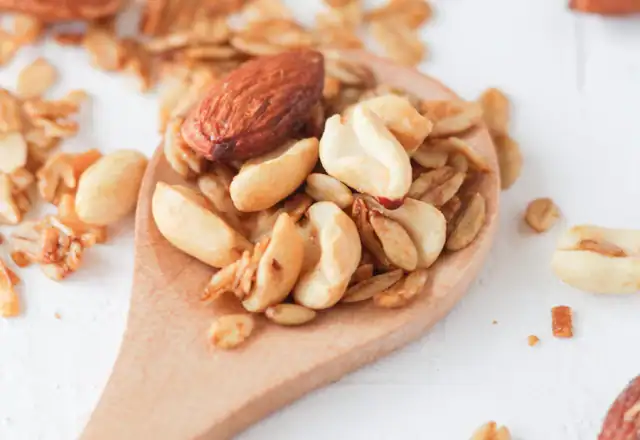
Who uses the kitchen
Kitchen Rental for Packaged Snack Brands
Baking, frying, seasoning and packing capacity for snack makers, plus the storage and labeling needed to sell on shelf.
Free to inquire. We reply by email, usually within one business day.
Packaged snack brands rent commercial kitchens to bake, fry or cook snacks in batches, cool them, then pack and label them for retail. Look for ovens or fryers sized to your batch, cooling racks, a clean packing area and dry storage for ingredients and finished stock, and plan shelf-life testing, labeling and allergen controls before you sell.
Why snack brands rent commercial kitchens
A packaged snack business sits between a kitchen and a factory. You cook or bake in batches, but you sell in sealed packages with labels, ingredients and shelf-life claims. That means regulation closer to food manufacturing than to a restaurant, and the need for consistent, repeatable production.
Renting a commercial kitchen lets snack makers start without the cost of a factory. You get ovens or fryers, cooling space and a packing area, and you can scale hours as retailers and customers come on board. When volume warrants, you can move to larger production space or a private unit.
Baking, frying and batch preparation
Your equipment depends on your snack. Granola, crackers and cookies need ovens and cooling racks. Chips, nuts and puffed products often use fryers or specialized equipment. Seasoned nuts, trail mixes and bars may need mixers, kettles and forming trays. Check that the kitchen’s equipment matches your process and batch size.
- Oven capacity, rack counts and tray sizes
- Fryer size, oil management and ventilation
- Mixers and kettles for doughs, binders and coatings
- Forming, cutting and portioning equipment
- Cooling racks and space for products to dry or set
- A clean seasoning or coating area
See ovens and baking equipment and cooking line, grills and fryers.
Consistency and recipe standardization
Retail customers expect every pack to look and taste the same. That means converting recipes into exact weights, recording times and temperatures and training anyone who helps with production. Test each batch against a standard, and keep notes on the oven, humidity and ingredient lots used so you can trace and fix differences.
Small changes in dough temperature, oven load or humidity can alter results, especially for baked snacks. Build tolerance into your process and measure outputs, such as weight per piece and moisture. Our guide on standardizing production recipes offers a practical approach.
Packing, labeling and shelf life
Packing is as important as cooking. Choose packaging that protects against moisture, oxygen and light, seals reliably and fits your brand. Snacks usually need to cool completely before packaging to avoid condensation. Set up a clean packing station with scales, sealers and labels, and check each pack.
Labels must comply with food labeling rules and list ingredients, allergens, net weight and your contact details. Test shelf life carefully; retailers will ask for the evidence. See planning shelf-life testing.
Questions snack makers should ask on a tour
- How many oven racks or fryer baskets can I use during my session?
- Is there cooling space large enough for my batch?
- Where do I pack, seal and label finished product?
- How much dry storage can I have for ingredients and cartons?
- How is flour or seasoning dust controlled between users?
- Can I move to larger equipment or a private unit if I grow?
Dry storage and inventory
Snack brands hold a lot of dry stock: flours, nuts, sugars, oils, packaging and finished product. Good storage keeps ingredients fresh and protects them from pests, moisture and odors. Ask about shelf space, pallet storage and rotation systems.
Track inventory by batch so you can find and recall product if needed. Use first-in, first-out and label every container with the date received. See dry storage and ingredient inventory and stock rotation.

Allergens and compliance
Snacks often contain nuts, wheat, milk, soy, eggs or sesame. Allergen control is critical in a shared kitchen, especially if you make nut-free or allergen-free claims. Prevent cross-contact with scheduling, cleaning and dedicated equipment, and state allergens clearly on your packaging.
You will also need the right permits for manufacturing and selling packaged foods in your state, and in some cases facility registration or inspection. Talk to your local authority and review the rental requirements.
Retail readiness for snack brands
Retailers ask a predictable set of questions before they stock a snack: where is it made, how is it labeled, how long does it last, how will you supply consistently and what insurance and certifications do you hold. Build a short readiness pack with your production address, permits, insurance certificate, shelf-life data, allergen statement and a spec sheet for each product.
Consistency is the key concern for buyers. Show that you use standard recipes, batch codes and quality checks. If you can demonstrate that, many retailers are willing to start with a small order and grow with you. Read our guide on preparing to sell wholesale.
Costs and scaling plan
Snack makers start small with shared rental and a regular production day. As retail orders grow, they move to a production kitchen or private unit with dedicated equipment and storage. Watch costs per pack: ingredients, packaging, labor, kitchen time and distribution.
Learn how to price and scale with our guides to pricing food products and preparing to sell wholesale. Then request a quote.
Pricing and margins for snack brands
Snack brands compete on shelf with large manufacturers, but their cost structure is very different. Calculate cost per pack carefully: ingredients, packaging, labels, labor, kitchen time, waste and distribution. Retailers and distributors take margins, so your price to them must leave room for your own profit after their cut.
If the numbers do not work, look at efficiency first. Larger batches, better yields, bulk purchasing and simpler packaging can all lower cost. Test price points at markets or online before committing to wholesale terms, and review every quarter as ingredient costs change.
More on who uses a rented kitchen
This page is part of our who uses a rented kitchen guide. Follow the pathways below to move up to the overview, compare alongside topics or go deeper into the detail.
Start with the overview
- Commercial Kitchen RentalEverything you need to choose between shared, private, hourly, ghost and production…
- Pricing and Rental PlansA clear explanation of what you pay for, what changes the price and how to get a quote…
- How Renting WorksSix clear steps from first inquiry to your first confirmed session, with what to prepare…
Compare alongside
- Kitchen Rental for Beverage ProducersWhich beverage processes a rented kitchen can support, plus water, refrigeration, packaging…
- Kitchen Rental for Sauce and Condiment BrandsBatch cooking, filling and container handling for sauce, dressing and condiment brands…
- Kitchen Rental for Plant-Based Food BrandsHow plant-based and vegan brands can protect their claims in a shared kitchen: ingredient…
- Kitchen Rental for Confectionery MakersSafe hot-sugar processing, molding space and dry storage for candy makers and sweet brands…
Go deeper
- Dry Ingredient and Packaging StorageWhat to know about dry storage in a rented kitchen: sizes, access, labeling, security, pest…
- Food Packaging AreaA clean, organized packing area turns cooked food into a finished product. See what to look…
- Central Production Kitchen RentalBulk production space with the throughput, cooling and storage to support volume cooking…
- Planning Shelf-Life Testing for a Food ProductA best-before date should come from evidence, not guesswork. Here is how to plan a sensible…
Frequently asked questions
Straight answers to the questions food businesses ask most about kitchen rental for packaged snack brands.
Can I sell packaged snacks made in a rented kitchen?
Often yes with the right permits for manufacturing and retail. Check your state and county requirements.
How long does packaged snack shelf life last?
It depends on the product, packaging and storage. Test it and set a best-before date based on results.
Do I need a nutrition label?
Many packaged foods require a nutrition facts panel unless exempt, such as small businesses meeting certain criteria. Check FDA guidance and local rules.
Can I fry snacks in a shared kitchen?
If the kitchen has suitable fryers and ventilation, and manages oil and allergen control. Ask about schedules.
Where do I store finished packs?
In dry storage at the kitchen if available, or at your own site. Confirm space, access and conditions.
When should I move to a bigger kitchen?
When scheduling limits growth, your batches outgrow the equipment or you need dedicated space and storage.
Do I need a co-packer or can I produce myself?
Many brands start by producing themselves in a rented kitchen and later use a co-packer if volume exceeds capacity.
Get matched with a kitchen for your business
Share what you make and how often you cook. We check real kitchens and reply with options and prices.