Who uses the kitchen
Kitchen Rental for Sauce and Condiment Brands
Batch cooking, filling and container handling for sauce, dressing and condiment brands, plus the process and compliance questions to settle first.
Free to inquire. We reply by email, usually within one business day.
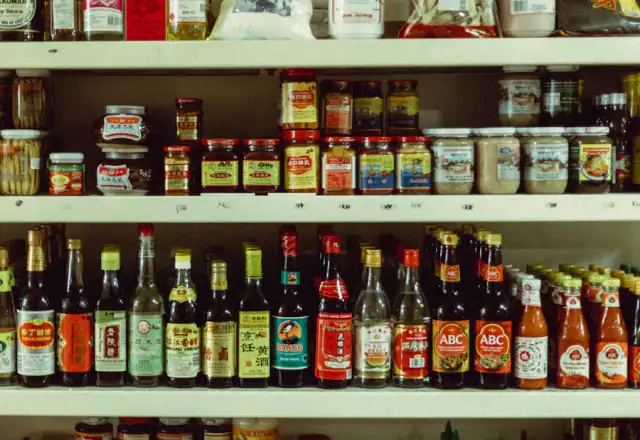
Sauce and condiment brands rent commercial kitchens for batch cooking, cooling, filling and labeling. Look for kettles or large pots, accurate thermometers, a clean filling area, cooling capacity, dry storage for jars and labels, and confirm which processing methods the kitchen supports, because acidified and canned products have extra regulatory requirements.
Why sauce brands rent commercial kitchens
A sauce or condiment brand often starts with a family recipe and a few jars sold to friends. To sell more widely, you need a licensed facility, consistent batches and a way to fill and label product safely. Home kitchens rarely meet the regulations for selling bottled or jarred sauces, and they cannot scale.
Renting a commercial kitchen provides kettles, large pots, scales and cooling capacity at a fraction of the cost of building your own facility. It also provides storage for glass, labels and packaging, so you can prepare, fill and pack in one place.

Batch cooking and cooling
Sauces are cooked in batches, then cooled and filled. Batch size is limited by the largest pot or kettle you can use. Larger batches improve consistency and reduce labor per jar, but they also take longer to cool, which creates a food safety challenge.
Cooling must be fast: from 135°F to 70°F within two hours and to 41°F within a further four hours for foods that are not shelf-stable by design. Use shallow pans, ice baths or blast chillers, and stir to speed cooling. See safe cooling of prepared food.
Filling, closing and container handling
Filling is where small mistakes become expensive. Set up a clean, organized filling area with funnels, scoops or a filler, clean containers, lids and labels. Fill to the same level each time, wipe rims, close containers securely and check seals. For hot-fill products, handle jars carefully and allow them to cool without disturbance.
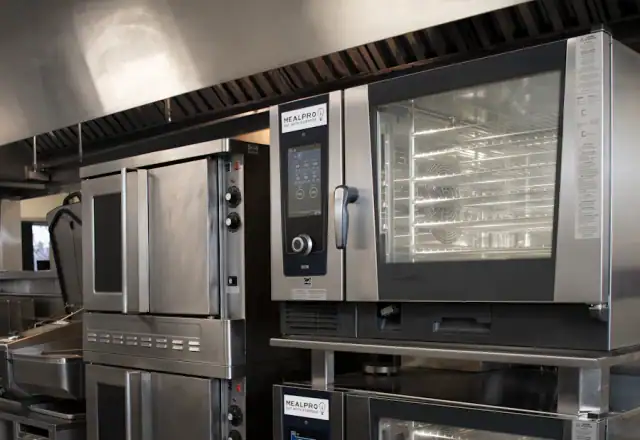
- Sanitize filling equipment and containers before use
- Fill to a consistent weight or level and check with scales
- Wipe rims and seal immediately
- Label with batch code and date as you fill
- Cool and store in a protected area
Our packaging area page explains what to look for in packing space.
Processing methods and regulation
Not all sauces are equal in the eyes of regulators. Acidified foods, low-acid foods packed in sealed containers and products intended to sit on a shelf at room temperature often need a review of the process, trained personnel and sometimes registration with food authorities. Refrigerated sauces generally face fewer processing rules but still require safe handling.
Ask the kitchen which processes it supports and check with your local health department and, for shelf-stable products, a process authority. Do this before you invest in equipment or packaging. The rental requirements page lists documents we may request.
Labeling, allergens and shelf life
Labels must carry the product name, net weight, ingredients, allergens and your business details, and they must comply with food labeling rules. Sauces often contain major allergens such as soy, wheat, milk, eggs, fish or sesame, which must be declared clearly.
Shelf life depends on formulation, acidity, packaging and storage. Test your product and keep records, because retailers and distributors ask for them. Use batch codes so you can trace every jar. See batch coding and product traceability and planning shelf-life testing.
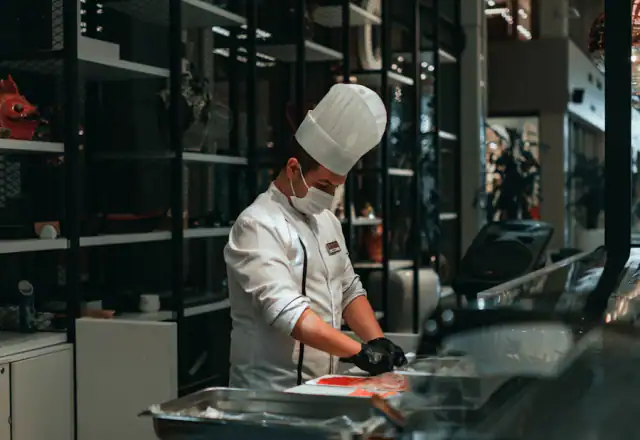
Common mistakes with sauce production
The biggest risk is skipping process verification. A sauce that tastes great but has the wrong acidity can be unsafe if stored at room temperature. Measure pH with a calibrated meter, keep records and ask an expert to review any shelf-stable product. Another common mistake is not weighing ingredients, which makes batches inconsistent.
Finally, many brands underestimate the time needed to clean up. Sticky, pigmented sauces require careful washing, and splashes spread widely. Build clean-down time into every booking and keep a stock of sanitizer and cloths.
Storage and logistics
Sauce brands need space for ingredients, jars, lids, labels, cartons and finished stock. Dry storage for glass and packaging is often the biggest need, and refrigerated space is needed for ingredients and refrigerated products. Ask about pallet storage, access for deliveries and pickup arrangements for wholesale orders.
Plan deliveries so glass and ingredients arrive when there is space and staff to receive them. See dry storage and loading and deliveries for questions to ask.
Questions sauce makers should ask the kitchen
- What is the largest kettle or pot I can use, and is it available at my hours?
- How much cooling capacity can I reserve for large batches?
- Is there a filling area separate from raw ingredient prep?
- How do you handle glass and sharp-object safety?
- Can I store jars, lids and labels on pallets or shelves?
- Have you supported shelf-stable or acidified products before?
The answers will quickly tell you whether the kitchen understands the needs of a packaged sauce business.
Costs and scaling up
Early on, rent shared space for small batches and test the market. As demand grows, move to a production kitchen with larger kettles, more cooling and storage, and a loading dock. Track cost per jar, including ingredients, packaging, labor and kitchen time.
Many brands lose money by underpricing. Use our guides to recipe costing and pricing food products, then request a quote for the format that fits your volume.
More on who uses a rented kitchen
This page is part of our who uses a rented kitchen guide. Follow the pathways below to move up to the overview, compare alongside topics or go deeper into the detail.
Start with the overview
- Commercial Kitchen RentalEverything you need to choose between shared, private, hourly, ghost and production…
- Pricing and Rental PlansA clear explanation of what you pay for, what changes the price and how to get a quote…
- How Renting WorksSix clear steps from first inquiry to your first confirmed session, with what to prepare…
Compare alongside
- Kitchen Rental for Packaged Snack BrandsBaking, frying, seasoning and packing capacity for snack makers, plus the storage and…
- Kitchen Rental for Confectionery MakersSafe hot-sugar processing, molding space and dry storage for candy makers and sweet brands…
- Kitchen Rental for Beverage ProducersWhich beverage processes a rented kitchen can support, plus water, refrigeration, packaging…
- Kitchen Rental for ChocolatiersWhat chocolatiers need from a rented kitchen: temperature control, tempering equipment…
Go deeper
- Central Production Kitchen RentalBulk production space with the throughput, cooling and storage to support volume cooking…
- Food Packaging AreaA clean, organized packing area turns cooked food into a finished product. See what to look…
- Dry Ingredient and Packaging StorageWhat to know about dry storage in a rented kitchen: sizes, access, labeling, security, pest…
- Batch Coding and Product TraceabilityIf something goes wrong, you need to know which products are affected. A simple batch…
Frequently asked questions
Straight answers to the questions food businesses ask most about kitchen rental for sauce and condiment brands.
Can I make jarred sauce for retail in a rented kitchen?
Often yes, but check regulations for your product type and process, especially for shelf-stable or acidified foods.
What size kettle do I need?
It depends on batch size and volume. Start with what the kitchen offers and scale up when demand is proven.
How do I cool large batches safely?
Use shallow pans, ice baths or blast chillers, and stir. Aim to cool from 135°F to 70°F within two hours and to 41°F within a further four.
Do I need a process authority?
For acidified or shelf-stable products, regulators often expect a process review. Ask your local authority.
Can I store jars and labels at the kitchen?
Often yes in dry storage. Ask about shelf space, pallet storage and access.
How do I trace a batch if there is a problem?
Use batch codes on every jar and keep records of ingredients, dates and suppliers.
How do I test my sauce’s pH?
Use a calibrated pH meter or strips as advised by a process authority. Record results for every batch.
Get matched with a kitchen for your business
Share what you make and how often you cook. We check real kitchens and reply with options and prices.