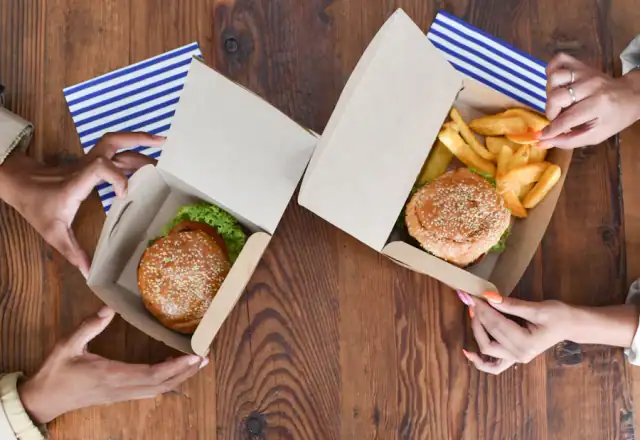
Rental options
Cloud, Dark and Ghost Kitchen Rental
Delivery-first kitchen space with rider collection and dispatch support, for brands that sell through apps and online ordering.
Free to inquire. We reply by email, usually within one business day.
A ghost kitchen, also called a cloud or dark kitchen, is a commercial kitchen used only for delivery and takeout orders, with no dining room. Delivery brands rent stations or units, receive orders through apps, and hand meals to couriers at a pickup point. Rental covers the kitchen, equipment, utilities and dispatch space.
What a ghost kitchen is
A ghost kitchen is a professional kitchen set up to prepare food only for delivery or pickup. Customers order through apps, a website or by phone, and the kitchen prepares meals without a dining room or storefront. Cloud kitchen and dark kitchen are used interchangeably for the same idea, and virtual brand refers to a delivery-only concept that exists only online.
Because there is no front-of-house cost, a ghost kitchen can launch and test concepts quickly. Operators can run one brand or several from the same space, adjusting menus based on what sells. Renting a station or unit keeps the investment small and flexible compared with opening a restaurant.

How delivery operations work
A typical flow is simple. An order arrives through a delivery platform or website, the kitchen prepares it to a timed standard, packs it, labels it and hands it to a courier or customer at a pickup point. Speed and accuracy drive reviews, so a well-organized station and a tight workflow matter more than elaborate equipment.
- Order is received and confirmed on your system or tablet
- Cooks prepare the meal at their station to ticket time
- Packing staff seal, label and bag the order
- Courier or customer collects at the dispatch point
- Station is reset for the next ticket
What a ghost kitchen rental should include
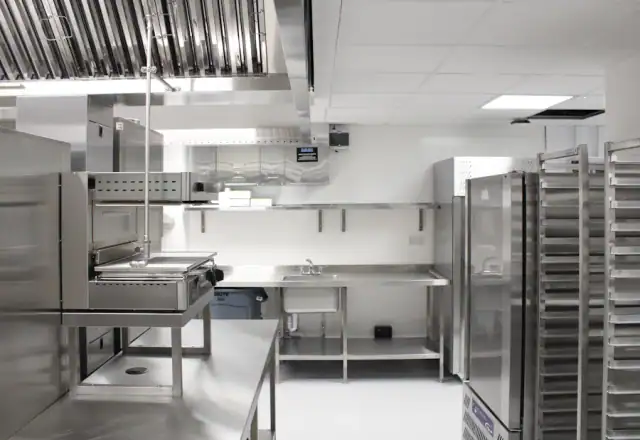
Delivery brands have specific needs. Check whether the space includes a cooking line suited to your menu, a packing and labeling area, and a clear courier pickup point with space for riders to wait without crowding the kitchen. Reliable internet matters for order tablets, so confirm connectivity.
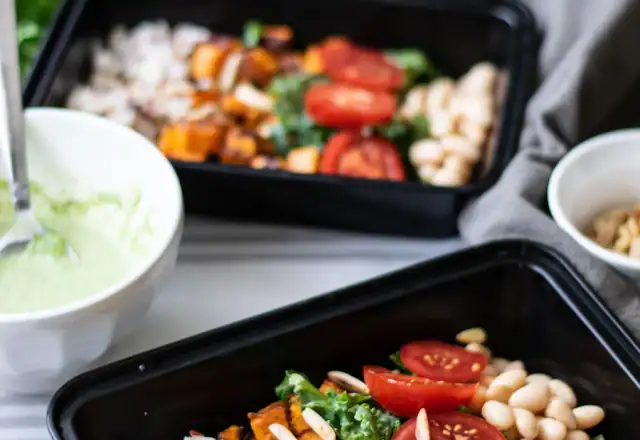
- Cooking line with hood suited to your menu type
- Packing and labeling space and packaging storage
- Dedicated courier pickup shelf or window
- Refrigerated and dry storage for ingredients and packaging
- Wi-Fi or wired connection for order devices
- Parking and short-stay access for couriers
Our equipment and facilities guide lists what to ask for on a tour.
Who benefits from ghost kitchen rental
The format works well for restaurants adding a delivery-only brand, for chefs launching a first concept and for multi-brand operators testing menus. It also suits meal prep and delivery-only food businesses that do not need a public-facing space.
It is less suitable for businesses that rely on foot traffic, tasting rooms or in-person experiences. If you need exclusive production with larger batches, a private kitchen or production kitchen may fit better.
Optimizing a ghost kitchen menu
Delivery changes how a menu performs. Foods that travel well, hold temperature and look good after twenty minutes in a bag do best. Dishes that depend on crisp texture, delicate sauces or last-minute assembly often arrive disappointing. Test every item in a delivery bag with a realistic travel time before you add it to a menu.
Keep the menu tight. A short list of dishes that share ingredients and equipment reduces waste, speeds up preparation and improves consistency. Many successful virtual brands start with five to ten items, then add based on order data. Our guide to designing a menu for efficient production shows how to simplify without limiting appeal.
Costs and commitments
Ghost kitchens are usually rented monthly. Pricing reflects the size of your station or unit, equipment access, hours of operation and any services such as packaging storage or dispatch support. Your costs also include ingredients, packaging, labor and commissions charged by delivery platforms, which can be significant.
Before committing, model your numbers carefully: expected orders per day, average ticket, platform fees, food cost and labor. Run a trial first when you can, using hourly or short-term rental to test demand. See the pricing page for how quotes work.
Ghost kitchen or production kitchen?
| Question | Ghost kitchen | Production kitchen |
|---|---|---|
| Orders | Made to order, one at a time | Batch cooked in volume |
| Output | Meals for same-day delivery | Product for storage and distribution |
| Layout | Fast line, packing and pickup | Large equipment, cooling and storage |
| Speed priority | Ticket time | Throughput and consistency |
Read our comparison of cloud kitchen vs production kitchen if you are unsure which suits your model.
Packaging, labeling and order accuracy
Packaging is part of your product. Choose containers that keep hot food hot and cold food cold, avoid sogginess, seal securely and are recyclable where possible. Tamper-evident seals build customer trust and protect you if an order is disputed. Every bag should carry a clear label with the order number, brand, items and allergen information.
Order accuracy drives ratings. Use a checklist at the packing station and a second check before the courier collects. Small improvements, such as a standard sauce pot position or a clear sticker color for each platform, reduce mistakes and speed up dispatch during peak times.
Food safety and compliance for delivery
Delivery adds food safety challenges because food travels before it is eaten. Keep hot food at or above 135°F and cold food at or below 41°F until it is handed to the courier, use tamper-evident packaging and label allergens on every order. Train staff to check orders against tickets before sealing them.
Permits for a delivery-only brand are usually the same as for any food service operation, but virtual brand names, labeling and third-party delivery rules can vary by state. Check with your local health department and review the rental requirements for the documents we need.
More on kitchen rental formats
This page is part of our kitchen rental formats guide. Follow the pathways below to move up to the overview, compare alongside topics or go deeper into the detail.
Start with the overview
- Commercial Kitchen RentalEverything you need to choose between shared, private, hourly, ghost and production…
- Pricing and Rental PlansA clear explanation of what you pay for, what changes the price and how to get a quote…
- How Renting WorksSix clear steps from first inquiry to your first confirmed session, with what to prepare…
Compare alongside
- Central Production Kitchen RentalBulk production space with the throughput, cooling and storage to support volume cooking…
- Private Kitchen RentalExclusive access to your own licensed kitchen unit, on your schedule, with your equipment…
- Hourly Kitchen RentalBook professional kitchen time by the hour for trials, events and irregular production, and…
- Shared Kitchen RentalAllocated workstations, shared professional equipment and clear scheduling, the most…
Go deeper
- Meal Prep Kitchen RentalHow meal prep and meal delivery businesses use a rented commercial kitchen: portioning…
- Short-Term Kitchen RentalFixed-date kitchen access for projects, trials, seasonal peaks and backup capacity, without…
- Cloud Kitchen vs Production KitchenBoth are professional kitchens, but they are built for different jobs. This guide shows how…
- Request a Rental QuoteTell us about your production and get a clear, written quote built around your hours…
Frequently asked questions
Straight answers to the questions food businesses ask most about cloud, dark and ghost kitchen rental.
What is the difference between a ghost kitchen and a cloud kitchen?
They mean the same thing. Both describe delivery-only kitchens, along with dark kitchen and virtual kitchen.
Can I run multiple delivery brands from one ghost kitchen?
Often yes. Many operators run several virtual brands from one space, subject to equipment, labeling and permit rules.
Do I need my own delivery drivers?
Not necessarily. Many brands rely on delivery platforms for couriers, while others use their own riders. Ask about pickup arrangements.
Is a ghost kitchen cheaper than a restaurant?
Generally yes, because there is no dining room, front-of-house staff or high-street rent. You still pay for platform fees and packaging.
Can customers visit a ghost kitchen?
Usually no. Ghost kitchens are not set up for walk-in customers.
How do I test a delivery brand before committing?
Use hourly or short-term rental to run a pilot, then move to a monthly ghost kitchen plan if demand is strong.
Can I use my own delivery riders?
Often yes, subject to pickup arrangements. Ask how couriers collect orders and where they wait.
How do I choose between several delivery platforms?
Compare commission rates, reach in your area, payment timing and integration with your order system, and consider starting with one or two.
Do ghost kitchens have to follow the same food safety rules?
Yes. Delivery-only kitchens follow the same health and safety rules as any food service operation.
Ask about this kitchen option
Tell us what you need and we reply by email, usually within one business day, with a clear next step.