FAQs
Commercial Kitchen Rental FAQs
Short, practical answers to the questions food businesses ask most before renting, with links to the full guides.
Free to inquire. We reply by email, usually within one business day.

Commercial kitchen rental lets food businesses use a licensed, equipped kitchen without building one. Costs depend on format, hours and storage, you need registration, food safety training and insurance, and the process runs from inquiry to tour, agreement, induction and confirmed access. The answers below cover the most common questions.
The basics of commercial kitchen rental
Start here if you are new to renting. These answers explain what a licensed commercial kitchen rental is, who uses one and how the main formats differ, so you can choose a direction before you look at costs or paperwork.
Each answer links to the page that covers the topic in more depth, including shared kitchens, private kitchens and ghost kitchens.
What is a commercial kitchen rental?
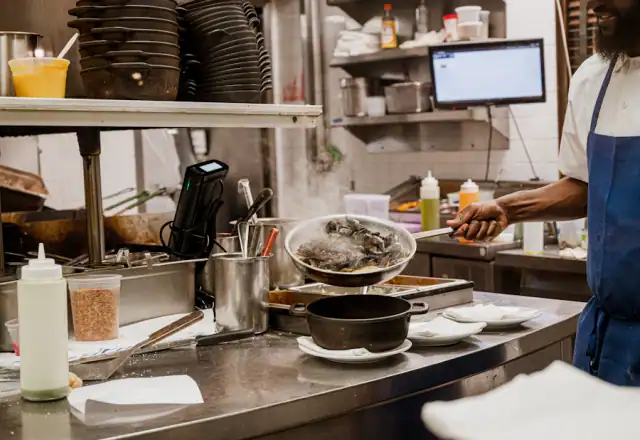
It is access to a licensed, fully equipped professional kitchen on an hourly, monthly or project basis, so food businesses do not have to build their own.
Who rents commercial kitchens?
Caterers, bakers, food truck owners, meal prep companies, packaged food brands, personal chefs, ghost kitchens and food startups all rent kitchens.
What is the difference between shared and private kitchens?
A shared kitchen gives you allocated time and workstations alongside other businesses, while a private kitchen gives you exclusive use of a whole unit.
What is a ghost or cloud kitchen?
A ghost kitchen is a production space optimized for delivery-only brands, with dispatch support and no dining room.
Is renting only for startups?
No. Established brands rent kitchens to add capacity, test products or serve new regions.
Costs, quotes and contracts
Pricing questions come up first for almost every renter. Costs depend on the format, the hours you book, your storage and the equipment you rely on, so we build a written quote around your real usage instead of publishing a generic rate card.
Read the pricing page for how charges work, or send your details through the quote form to receive numbers for your situation.
How much does it cost to rent a commercial kitchen?
Cost depends on format, hours, storage and equipment. Hourly rental is flexible, memberships lower the effective hourly cost, and private units are priced as leases. Request a quote for your needs.
How do I get a quote?
Use the quote form or email info@commercialkitchenforrent.us with your format, hours, storage and start date. We reply with a written quote.
Will I need to sign a long contract?
Not necessarily. Hourly and short-term formats avoid long commitments, while memberships and private units have terms stated in your agreement.
Insurance, documents and permits
Renting a licensed kitchen does not license your business, so you still need your own registration, training, insurance and local permits. These answers cover what operators typically ask for and how long onboarding usually takes.
The full checklist lives on the rental requirements page, and the step-by-step journey is on how renting works.

Do I need insurance?
Yes. Operators typically require general liability insurance, often with product liability, naming the operator as additional insured.
What documents do I need to start?
Usually business registration, food safety certification, an insurance certificate and any local permits for your product.
Do I need a food handler card?
Many jurisdictions require anyone handling food to hold one. We ask for proof for each person who will cook.
Can I sell food I cook in a rented kitchen?
Generally yes, as long as you hold the permits your state and county require for your product and sales channel.
How long does it take to start renting?
It can take a few days once your documents are ready. Missing insurance or certificates are the most common delays.
Tours, booking and access
Seeing the kitchen before you commit is the best way to check equipment, workflow and cleanliness. These answers explain tours, booking requests, hourly sessions and access outside normal business hours.
When you are ready, you can book a kitchen tour or send a booking request on the availability page.
Do I have to tour first?
We strongly recommend it so you can check equipment and workflow. A video walkthrough is an alternative if you cannot visit.
How do I book kitchen time?
Submit a booking request with your date, session length and format. A request is only confirmed when we reply in writing.
Can I rent by the hour?
Yes. Hourly rental suits trials, events and irregular production, with minimum session lengths stated in advance.
Can I cook overnight or on weekends?
Many kitchens offer off-peak and 24-hour access on certain plans, often at lower rates. Confirm access hours for your format.
What if the kitchen is fully booked?
We offer alternative times, other formats or nearby locations, and can add you to a waiting list for popular slots.
Equipment, storage, allergens and cleaning
Day-to-day operation is where a good kitchen proves itself. This group covers what equipment and storage you can expect, how shared spaces manage allergens, who cleans what and what happens when something breaks.
For the detail, see equipment and facilities and the standards on the kitchen rules page.

What equipment is included?
Typically a cooking line with a hood, ovens, prep tables, sinks and dishwashing. Storage and specialty equipment vary.
Is storage included?
Storage is commonly charged separately by shelf, bin or footprint. Confirm what your base rate includes.
Can I leave ingredients and equipment between sessions?
Often yes in allocated storage, subject to labeling and time limits. Ask about dry, refrigerated and freezer options.
How are allergens handled in a shared kitchen?
Renters declare allergens, label products, use separate or properly cleaned equipment and store allergen ingredients separately.
Who cleans the kitchen?
You clean your station and equipment before you leave. Staff may handle deeper cleaning, but you must leave the space ready for the next user.
What happens if I damage equipment?
Your agreement sets out responsibility and any charge. Report damage immediately so it can be repaired and others are not affected.
Can I bring my own equipment?
Small items are often fine with approval. Larger equipment needs written permission for safety and electrical load.
Are shared kitchens safe for food allergies?
They can be when renters declare allergens, use separate or cleaned equipment, store allergens apart and label everything.
Growing, moving up and choosing a location
Most food businesses outgrow their first plan. These answers explain how renters move from hourly to shared to private space, how catering and food truck businesses use a kitchen and where we operate.
Browse every state on the locations page, or read the guides in the resource center to plan your next stage.
Can I move to a bigger kitchen format later?
Yes. Most renters move from hourly to shared to private or production space as they grow, subject to availability.
Do you offer kitchens in every state?
We cover all 50 states and Washington, DC. Search the locations page for your state or city.
Can I use the kitchen for catering events?
Yes, for preparation, subject to your permits. Confirm loading access and holding equipment during your tour.
Can food trucks use a rented commercial kitchen?
Yes. Many food trucks use commercial kitchens as a commissary for prep, storage and cleaning, depending on local rules.
Still have a question?
If your question is specific to your product, your state or your timeline, ask us directly. Email info@commercialkitchenforrent.us with what you make, where you plan to operate and what you need, and we will reply with a clear answer or the right next step.
You can also use the contact page or request a personalized quote. We use the questions we receive to improve these answers, so tell us if something is missing or unclear. Many of the most useful updates to this page started as a single email from a renter who could not find what they needed.
If you are comparing several kitchens, ask each one the same questions and compare the written answers. Clear, specific replies about costs, storage, cleaning and availability are a strong sign of a well-run operation, and they are what we aim to give you.

More on commercial kitchen rental
This page is part of our commercial kitchen rental guide. Follow the pathways below to move up to the overview, compare alongside topics or go deeper into the detail.
Start with the overview
- Commercial Kitchen RentalEverything you need to choose between shared, private, hourly, ghost and production…
- Pricing and Rental PlansA clear explanation of what you pay for, what changes the price and how to get a quote…
- Kitchen Rental States and AreasBrowse every state and its areas, learn how local rules shape your options and request help…
Compare alongside
- About UsWho we serve, how we work and the standards we hold ourselves to when we help food…
- Kitchen Rental States and AreasBrowse every state and its areas, learn how local rules shape your options and request help…
- Tenant Stories and ReviewsHow different food businesses put a rented kitchen to work, and how we publish genuine…
- Request a Rental QuoteTell us about your production and get a clear, written quote built around your hours…
Go deeper
- How Renting WorksSix clear steps from first inquiry to your first confirmed session, with what to prepare…
- Rental RequirementsA plain checklist of what you need before you rent, why each item matters and how to check…
- Contact UsAsk a question, request a quote or arrange a tour. We reply by email, and our kitchens are…
- Kitchen Rental Resource CenterPlain-English guides organized by what you need to do: choose a kitchen, operate safely and…
Ask about this kitchen option
Tell us what you need and we reply by email, usually within one business day, with a clear next step.