
Who uses the kitchen
Kitchen Rental for Farmers Market and Market Vendors
How farmers market and craft market vendors use a rented kitchen to produce packaged goods, store stock and prepare for market days.
Free to inquire. We reply by email, usually within one business day.
Market vendors rent commercial kitchens to produce packaged foods for farmers markets and craft markets, store stock between market days and collect early on the day of sale. Plan batch production, labeling and allergens, permits for cottage or commercial sales and a weekly cycle that matches your market calendar.
Why market vendors rent commercial kitchens
Markets are a great way to launch a food brand, but many market rules require food to be produced in an approved facility, and cottage food laws often limit what you can make at home and how you can sell it. A rented commercial kitchen widens your options: you can make a larger range of products, produce more and sell wholesale as well as at the market.
It also gives you capacity. A successful stall may need ten times the product you can cook at home. Rental time is flexible, so you can produce in the week before each market and book nothing in quiet weeks.

A weekly production rhythm for markets
Most market vendors follow a weekly cycle. Early in the week they plan what to produce based on last week’s sales and the weather forecast. Midweek is for production, packing and labeling. The day before the market they finish, check stock and load. On market day they collect and sell, then review results.
- Review last weekend’s sales and leftover stock
- Plan this week’s production list
- Book kitchen time and order ingredients
- Cook, cool, pack and label midweek
- Load and check the day before the market
- Sell, record results and plan the next cycle
Handling market-day food safety
Food safety at the stall matters as much as in the kitchen. Provide handwashing, keep a probe thermometer on hand, and hold cold products at or below 41°F in coolers with ice or gel packs. Cover food, keep it off the ground and use clean utensils for serving.
Keep a simple log of temperatures and times for each market day. If an inspector visits, you can show your records. After the market, return to the kitchen for cleaning and restocking so you start the next week ready to trade.
Packaged goods: labeling and allergens
Selling packaged foods means labeling them. Labels typically need the product name, ingredients, allergens, net weight and your business name and address, and sometimes other statements required by your state. Declare major allergens clearly: milk, eggs, fish, shellfish, tree nuts, peanuts, wheat, soybeans and sesame.
Keep a master record of recipes and ingredients so labels are accurate when recipes change. Use batch codes on larger products to trace issues. See food labeling rules and our guide to batch coding and traceability.
Storing stock between markets
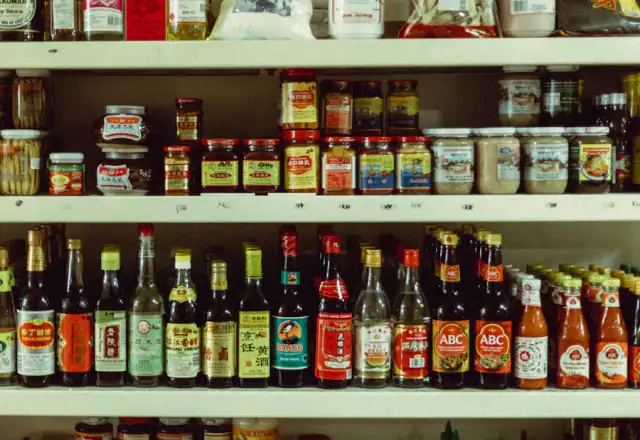
Between markets, vendors need somewhere clean and secure to keep ingredients, packaging and finished product. Ask about dry storage for jars, boxes and dry goods, and refrigerated or freezer storage for items that need it. Storing at the kitchen can free your home and reduce handling.
Label and date everything, and rotate stock so older product sells first. Learn about dry storage and refrigerated storage for what to ask.
Setting up a stall that sells
- Clear, readable signage with prices and allergen information
- A tidy display at eye height with samples where permitted
- Simple payment options, including contactless
- A friendly, informed seller who can explain ingredients and process
- A sign-up sheet or QR code to collect customer emails
- Spare stock and supplies so you never run out of change or packaging
Pair a good stall with consistent production in a licensed kitchen and your market business can grow steadily.
Choosing products that sell well at markets
Market customers buy on impulse and on trust. Products that are easy to sample, simple to explain and sit comfortably at a market price tend to do best. Consider a core range of a few best sellers, plus a rotating seasonal item that gives regulars a reason to return.
Think about durability. Packaged goods that keep well reduce waste when sales are slower than expected, and they are suited to online sales and wholesale. Test small batches before adding new items, and ask customers for feedback at the stall. Those conversations are free market research.
Early collection and market-day logistics
Markets start early. Check that you can collect product and equipment before dawn and park to load. Pack the vehicle with the heaviest and last-used items first, keep cold product in insulated boxes and take spare labels, change and a thermometer.
Have a backup plan for weather, staffing and equipment. A late arrival or a missing item can cost a whole market day. Build a packing checklist and use it every time.
Permits, insurance and market rules
Markets usually require a vendor permit and proof of insurance, and many require that food is produced in a licensed kitchen. Rules differ by market and city, and some limit what categories of food you can sell. Check with the market manager and your health department what you need.
Your kitchen operator also needs insurance details. Gather documents and share them during onboarding. The rental requirements page lists what we ask for.
Costs and growing beyond the market
Market vendors typically choose shared membership with weekly production slots or hourly rental. Track the cost of kitchen time per unit sold, and review product lines regularly to drop low performers.
Many vendors use markets to build a brand and then add wholesale, online sales or retail. A rented kitchen supports that growth. See our guides on scaling production and preparing to sell wholesale, then request a quote.
More on who uses a rented kitchen
This page is part of our who uses a rented kitchen guide. Follow the pathways below to move up to the overview, compare alongside topics or go deeper into the detail.
Start with the overview
- Commercial Kitchen RentalEverything you need to choose between shared, private, hourly, ghost and production…
- Pricing and Rental PlansA clear explanation of what you pay for, what changes the price and how to get a quote…
- How Renting WorksSix clear steps from first inquiry to your first confirmed session, with what to prepare…
Compare alongside
- Ice Cream KitchenFreezing, churning and cold storage for ice cream and frozen dessert makers, plus the dairy…
- Kitchen Rental for Charities and Community MealsHow charities, churches and community groups use a rented kitchen for large meal programs…
- Kitchen Rental for Sandwich and Salad BusinessesCold prep benches, chilled storage and portioning space for sandwich, salad and grab-and-go…
- Kitchen Rental for Food StartupsA practical plan for launching a food business with a rented kitchen: entry plans, trials…
Go deeper
- Dry Ingredient and Packaging StorageWhat to know about dry storage in a rented kitchen: sizes, access, labeling, security, pest…
- Kitchen Rental for Street Food VendorsPrep space, portable-kit storage and early-morning access for street food vendors working…
- Shared Kitchen RentalAllocated workstations, shared professional equipment and clear scheduling, the most…
- Scaling from Small Batches to Larger ProductionMore volume is not just bigger pots. Learn what changes when you scale and how to keep…
Frequently asked questions
Straight answers to the questions food businesses ask most about kitchen rental for market vendors.
Do I need a commercial kitchen to sell at a farmers market?
Often yes, unless your products fall under local cottage food rules. Check your state and market requirements.
Can I store my market stock at the kitchen?
Often yes in dry or refrigerated space. Ask about capacity and access.
How much should I produce for each market?
Review past sales, weather and events, and keep records. Start slightly under to avoid waste, then adjust.
Do I need to label products?
Yes. Packaged products usually need ingredient, allergen and net weight information plus your business details.
Can I sell wholesale as well?
Yes, with the right permits. A commercial kitchen is typically required for wholesale.
What if I miss a market?
Plan storage and shelf life so you can sell the product at another market or channel.
Can I sell online as well as at markets?
Yes, with the right permits and packaging, and a plan for shipping or delivery.
Get matched with a kitchen for your business
Share what you make and how often you cook. We check real kitchens and reply with options and prices.