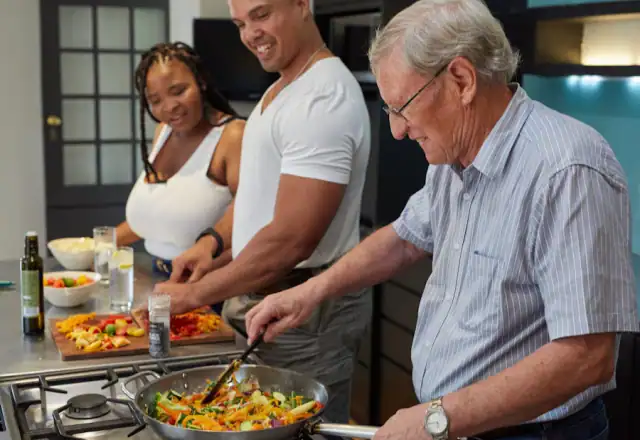
Who uses the kitchen
Kitchen Rental for Charities and Community Meal Programs
How charities, churches and community groups use a rented kitchen for large meal programs: volunteers, safety, permits and collection.
Free to inquire. We reply by email, usually within one business day.
Community meal programs rent commercial kitchens to prepare large quantities of food safely for food banks, shelters, school programs and charity events. Plan volunteer training and supervision, food safety controls, cooling and storage, permits and a clear system for collection or delivery of meals to the people you serve.
Why community groups rent commercial kitchens
Community meal programs often feed dozens or hundreds of people at a time. Church halls, community centers and home kitchens may lack the equipment, refrigeration and approvals required to prepare food for the public at that scale. A rented commercial kitchen provides licensed space, large equipment and enough room for a team of volunteers to work safely.
Renting also makes programs flexible. A charity may need the kitchen for one day a week, for an annual event or for a short seasonal drive. Paying only for the time used keeps budgets under control and lets organizations focus resources on the people they serve.

Large-batch preparation
Cooking for large groups needs big equipment and careful planning. Kettles, large ovens, rice cookers and ranges are typical. Choose recipes that scale well, use simple ingredients and can be cooked in bulk, such as soups, stews, pasta bakes, rice dishes and roasted vegetables.
- Plan the menu and quantities weeks in advance
- Build a prep schedule with tasks and times for volunteers
- Use standard portion sizes to avoid waste and shortages
- Cool and store leftovers safely or distribute promptly
- Keep recipe cards and allergen information at the station
Our catering kitchen rental page describes similar workflows for events.
Volunteers, training and supervision
Volunteers are the heart of community meals, and they need guidance. Everyone who handles food should complete a basic food handler course or be supervised by someone who holds a food manager certificate. Brief volunteers at the start of each session on handwashing, clothing, jewelry, illness rules and tasks.
Assign a team leader who understands food safety and can resolve problems. Keep a sign-in sheet so you know who was present, and give each volunteer a clear role, such as prep, cooking, packing or cleaning. The kitchen rules apply to everyone in the space.
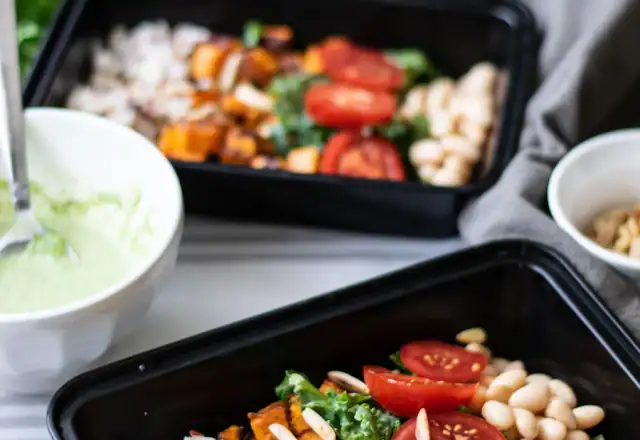
Measuring the impact of a community meal program
Funders and partners want to see results. Track the number of meals prepared, number of people served, volunteer hours, food cost per meal and food waste. Simple records kept every session make reporting easy, and they help you improve efficiency.
Collect feedback from the people you serve about taste, portion size, dietary needs and timing. Small adjustments, such as adding a vegetarian option or changing pickup times, can increase the value of the program significantly without raising costs.
Food safety, allergens and temperature control
The people served by community programs may be vulnerable, including children, older adults and people with health conditions. That makes food safety even more important. Keep cold food at or below 41°F and hot food at or above 135°F, cool leftovers quickly and never serve food left at room temperature for too long.
Share allergen information with participants and label dishes clearly. Plan for common dietary needs such as vegetarian, halal and gluten-free where possible. If you serve a group with specific health needs, ask for guidance from a qualified professional.
Permits, insurance and local rules
Many places treat charity food service differently from commercial sales, but rules still apply. Check with your local health department whether you need a permit or registration to prepare and serve food to the public, and whether donated food has any special requirements.
Insurance is also necessary. The kitchen operator will ask for liability insurance, and some charities have their own coverage through national networks. Provide documents during onboarding. See the rental requirements.
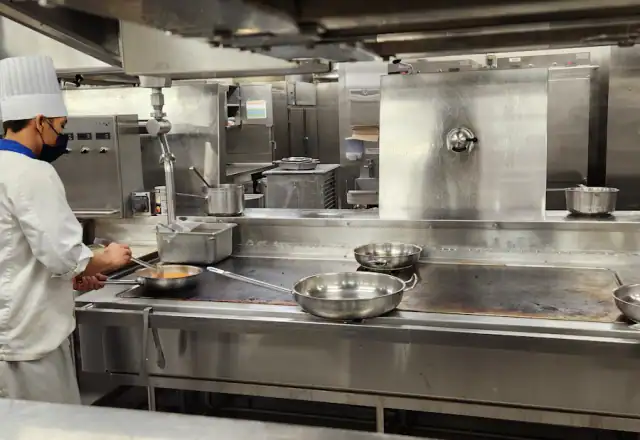
Collection, delivery and storage
Plan how meals reach people. If recipients collect from the kitchen, designate a pickup area away from cooking. If you deliver, use insulated carriers and plan routes, and record temperatures at loading and delivery. Keep a record of how many meals were produced and distributed.
Ask about chilled storage so you can hold meals until collection, and about parking for volunteers and vehicles. See loading and deliveries and refrigerated storage.
Costs, funding and getting started
Kitchen costs depend on hours, equipment and storage. Because many programs run on grants and donations, plan a budget and include kitchen hire, ingredients, packaging, transport and insurance. Ask us about recurring bookings for weekly programs and any charitable arrangements that may be available.
To start, request a quote with your program, volunteer numbers, meal quantities and schedule, or book a tour to see the space.
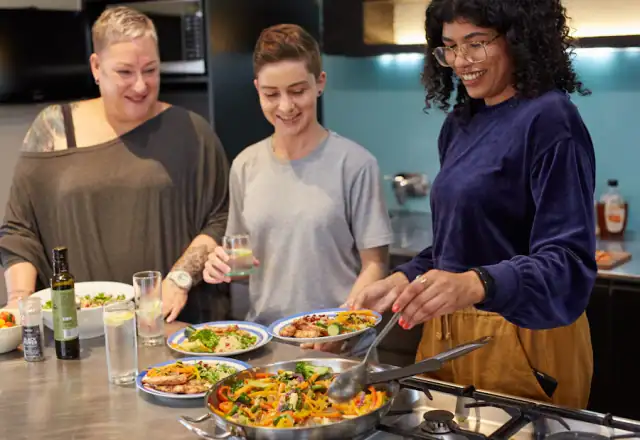
Reducing waste and stretching donations
Community programs often work with donated or surplus ingredients. Plan menus flexibly so you can adapt to what arrives, and check dates and quality on delivery. Cook the most perishable items first, freeze surplus where permitted and keep records of donations and distribution.
Waste reduction is both a budget and a mission issue. Use whole ingredients where possible, repurpose trimmings into stocks and soups and portion carefully. Track what is thrown away and why, and use that to adjust ordering. Over time, these habits stretch every donated dollar further.
A volunteer cooking day plan
A clear plan keeps volunteers safe and productive. A typical day might begin with a short briefing on hygiene, roles and the day’s menu. The first hour covers set-up and prep, with experienced volunteers on knives and heat and newer volunteers on washing and measuring. Cooking follows, then cooling, portioning and packing.
| Time | Activity |
|---|---|
| Start | Welcome, safety briefing, assign roles |
| First hour | Set up, wash and prep ingredients |
| Middle | Cooking, tasting and quality checks |
| Later | Cooling, portioning, packing and labeling |
| End | Clean-down, debrief and recording of meals produced |
More on who uses a rented kitchen
This page is part of our who uses a rented kitchen guide. Follow the pathways below to move up to the overview, compare alongside topics or go deeper into the detail.
Start with the overview
- Commercial Kitchen RentalEverything you need to choose between shared, private, hourly, ghost and production…
- Pricing and Rental PlansA clear explanation of what you pay for, what changes the price and how to get a quote…
- How Renting WorksSix clear steps from first inquiry to your first confirmed session, with what to prepare…
Compare alongside
- Kitchen Rental for Market VendorsHow farmers market and craft market vendors use a rented kitchen to produce packaged goods…
- Kitchen Rental for Food StartupsA practical plan for launching a food business with a rented kitchen: entry plans, trials…
- Ice Cream KitchenFreezing, churning and cold storage for ice cream and frozen dessert makers, plus the dairy…
- Kitchen Rental for Restaurant GroupsHow restaurant groups consolidate prep in a rented central kitchen to improve consistency…
Go deeper
- Central Production Kitchen RentalBulk production space with the throughput, cooling and storage to support volume cooking…
- Catering Kitchen RentalEverything a catering business should check in a rented kitchen: batch capacity, holding…
- Hourly Kitchen RentalBook professional kitchen time by the hour for trials, events and irregular production, and…
- Kitchen Rules and HygieneClear standards protect your food, your reputation and the other businesses using the…
Frequently asked questions
Straight answers to the questions food businesses ask most about kitchen rental for charities and community meals.
Can a charity rent a commercial kitchen?
Yes. Charities, churches and community groups can rent kitchens for meal programs, subject to onboarding and insurance.
Do volunteers need food handler cards?
Requirements vary. Many programs train volunteers or supervise them with a certified manager. Check local rules.
Can we prepare food for a hundred people?
Yes, with suitable equipment and planning. Tell us your numbers and menu so we can confirm the space.
Do we need a permit?
Often a food service or temporary permit applies. Check with your local health department.
Can we store donated food in the kitchen?
Often yes in labeled refrigerated or dry storage, following food safety rules. Ask about capacity and time limits.
How often can we book the kitchen?
Recurring weekly slots can be arranged. Tell us your schedule when you request a quote.
Can we accept donated food?
Often yes, subject to food safety rules and local regulations about donated food. Check dates, condition and storage, and keep records.
Get matched with a kitchen for your business
Share what you make and how often you cook. We check real kitchens and reply with options and prices.