Facilities and support
Food Packaging Area in a Rented Commercial Kitchen
A clean, organized packing area turns cooked food into a finished product. See what to look for and how to plan your flow.
Free to inquire. We reply by email, usually within one business day.
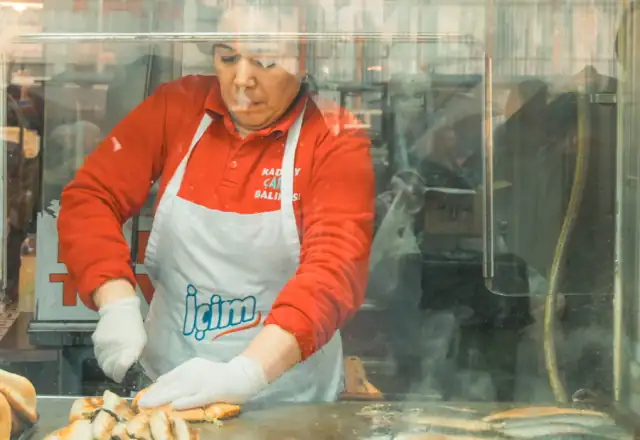
A food packaging area is the clean space where cooked or prepared food is portioned, packed, sealed and labeled. Check bench space, scales, sealing equipment, label printing, chilled holding, separation from raw preparation and how finished product leaves the kitchen, so packing keeps pace with cooking.
Why packing space deserves attention
Cooking gets the attention, but packing often sets your real output. A line that can cook two hundred meals but pack fifty an hour leaves food waiting in the danger zone. A well-planned packing area has room to portion, seal, label and box without crossing paths with raw preparation.
When you tour a kitchen, ask to see the packing space in use. Look at bench length, light, the distance to refrigeration and whether tenants appear to work cleanly there.

Portioning and weighing
Consistent portions protect margins and customer trust. Check for accurate scales, scoops, portioning guides and clean containers within reach. Verify that scales are calibrated and that you may bring your own.
- Bench space for lids, containers and trays
- Scales with enough capacity and accuracy
- Hand tools, scoops and portion cups
- A clean place for containers waiting to be filled
Designing a packing line that keeps pace with cooking
Treat packing as a production line. Place containers at the start, filling in the middle and sealing and labeling at the end, so product moves in one direction. Use a simple timer to check how many units per hour each stage achieves, and add a person or tool at the slowest step.
Standardize the number and position of containers for each product. A repeatable layout lets new staff learn quickly and reduces mistakes with labels and portions.
Labels, allergens and compliance at the packing stage
Most labeling errors happen at packing. Keep an allergen matrix near the line and check every label against it. Use pre-printed labels where possible and check batch codes on the first and last item of each run. Retailers and customers rely on these details.
If you change a recipe, update the label before the next run and discard old stock. See food labeling regulations for the general rules, and confirm local requirements.
Sealing, labeling and traceability
Sealing equipment keeps product fresh and tamper-evident. Labels must list ingredients, allergens, dates and your details, so you need space and light to apply them accurately. Batch codes on each unit let you trace product if there is a problem.
Ask whether label printers or sealers are provided or if you bring your own. See batch coding and product traceability for a simple system.
Common packing problems and how to avoid them
Packing problems repeat across businesses. Labels printed in advance get out of date when recipes change, so print them fresh or check each run. Containers that do not match lids waste time, so buy matched sets and test them with hot food. Overfilled containers leak in transport, so use a fill line and a scale.
Condensation inside sealed containers is another trap. Food packed while hot releases steam that makes packaging soggy and raises safety risks, so cool before sealing unless the process is designed for hot filling. Finally, mixed-up orders happen when benches are crowded, so pack one order at a time and keep each order’s items together until the label is on.
A short checklist at the end of the line, covering label, weight, seal and temperature, catches most errors before they leave the building.
Separating packing from raw preparation
Packing is a clean zone. Raw meat, unwashed produce and allergen powders should not share benches with finished product. Where space is tight, schedule packing after raw work, sanitize in between and use colored tools.
See cross-contamination and the controls in the kitchen rules.
Hygiene controls specific to packing
Packing is the last chance to prevent contamination. Wash hands before each shift on the line, wear gloves where practical, change them after touching anything that is not food, and avoid reaching over open product. Clean and sanitize benches between products, especially when allergens are involved.
Keep packaging materials in covered storage and use them in order. Open boxes of lids and bags invite dust and pests.
Choosing packaging that works for your product
Packaging should protect, preserve and present. Consider barrier needs for moisture and oxygen, temperature range for chilled, frozen or hot product, and how the pack stands up to stacking and delivery. Test with real product over the full shelf life, not just on day one.
Cost matters, but the cheapest pack is rarely the best. A pack that leaks or crushes costs far more in refunds and reputation than the few cents saved.
Chilled holding and dispatch
Finished product should move straight into refrigerated storage or onto the courier, not sit on a bench. Check how much chilled space you can reserve, where couriers collect and whether a pickup point keeps visitors out of production areas.
- Cool cooked food to safe temperatures
- Portion and seal quickly
- Label with dates and allergens
- Move into chilled holding
- Hand over at the pickup point with a temperature check
Packaging materials and storage
Containers, lids, bags and boxes take more room than most renters expect. Plan dry storage for packaging, keep it clean and covered, and order ahead of busy periods. Choose packaging that protects against leaks, moisture and crushing.
Sustainable and recyclable options matter to many customers, but confirm they hold up to your product and chill temperatures before buying large quantities.
Packing area checklist for your tour
- How much bench space is available for packing?
- Are scales, sealers or label printers provided?
- How is the area kept apart from raw preparation?
- How much chilled space is near the packing area?
- Where do couriers or customers collect product?
- Where can I store packaging materials?
Bring this list to your kitchen tour and mark each answer, then compare kitchens on the same terms.
More on equipment and facilities
This page is part of our equipment and facilities guide. Follow the pathways below to move up to the overview, compare alongside topics or go deeper into the detail.
Start with the overview
- Equipment and FacilitiesA practical checklist of the equipment, storage and support facilities that matter when you…
- Pricing and Rental PlansA clear explanation of what you pay for, what changes the price and how to get a quote…
- How Renting WorksSix clear steps from first inquiry to your first confirmed session, with what to prepare…
Compare alongside
- Dishwashing and Wash-Up FacilitiesClean equipment is the foundation of food safety. Know what wash-up capacity to expect and…
- Preparation WorkstationsYour workstation is where most of your session happens. Here is what to measure and ask…
- Goods Receiving and Loading AccessIngredients in, finished product out: loading access is as important as any oven. Know what…
- Mixers and Dough EquipmentBatch capacity, attachments and training decide how much dough, batter and filling you can…
Go deeper
- Meal Prep Kitchen RentalHow meal prep and meal delivery businesses use a rented commercial kitchen: portioning…
- Cloud, Dark and Ghost Kitchen RentalDelivery-first kitchen space with rider collection and dispatch support, for brands that…
- Setting Up a Meal Prep Packing StationA well-laid packing station can double your output. Learn how to design one that is fast…
- Refrigerated StorageHow chilled storage works in a rented kitchen: capacity, allocation, temperature…
Frequently asked questions
Straight answers to the questions food businesses ask most about food packaging area.
Do kitchens provide sealing machines?
Some do. Ask whether sealers, label printers and scales are provided or must be brought.
How do I keep packing hygienic?
Sanitize the bench, wash hands, wear gloves where needed and keep raw foods away.
Can I pack in my cooking station?
Better to pack on a clean, separate bench, especially for ready-to-eat food.
Can I leave packaging at the kitchen?
Often yes in dry storage, subject to space and labeling.
What labeling do I need?
Product name, ingredients, allergens, net weight and business details, plus any state-specific statements.
How quickly should I pack cooked food?
As soon as it is cooled, to limit time in the danger zone and keep quality high.
Do I need tamper-evident seals?
For delivery and retail, yes it builds trust, and some platforms require it.
Can I use compostable packaging?
Often yes, but test that it holds up to heat, moisture and chilling for your product.
See the kitchen and equipment in person
Tell us what you cook and which equipment matters. We confirm a viewing time by email.