Facilities and support
Dishwashing and Wash-Up Facilities in Rented Kitchens
Clean equipment is the foundation of food safety. Know what wash-up capacity to expect and what you are responsible for.
Free to inquire. We reply by email, usually within one business day.
Wash-up facilities in a commercial kitchen include a three-compartment sink, a commercial dishwasher, a pot-wash area and a separate handwashing sink. Check capacity, chemicals and test strips, drying space and who cleans what, and follow the wash, rinse and sanitize steps so every item is safe for the next user.
Why wash-up capacity decides your clean-down time
In a rented kitchen the clock keeps running while you wash. A single small sink for a team of four can turn a quick clean-down into an hour, which you pay for. Good wash-up space lets you scrape, soak, wash and sanitize in a smooth line, so you leave on time and leave the kitchen ready for the next user.
Ask how many tenants share the wash-up area at the same time and whether peak times are congested. A kitchen that is generous with sinks and drying space is a kitchen that respects your time.
The three-compartment sink
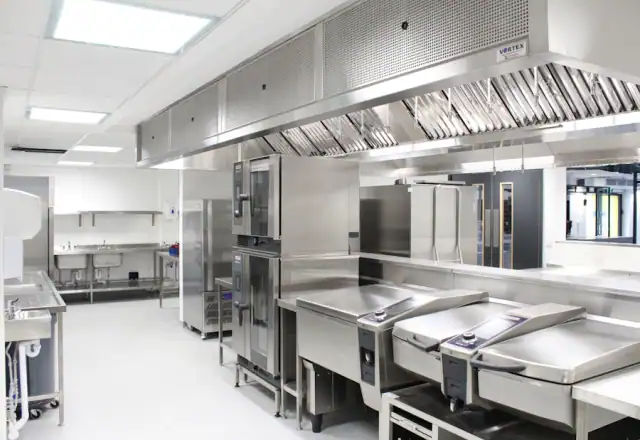
The classic sanitation method uses three sinks: one to wash with detergent, one to rinse with clean water and one to sanitize with an approved solution. Items then air dry on racks, never wiped with towels. Check that sinks are large enough for your trays and that sanitizer strength is tested.
- Scrape and pre-rinse food residue
- Wash in hot water with detergent
- Rinse in clean water
- Sanitize at the correct concentration for the correct time
- Air dry on a clean rack
Wastewater, grease and drains
What goes down the drain matters to the building and to the neighborhood. Fat, oil and grease must be captured in a grease trap, and food solids should be strained out before water goes down. Ask where food waste goes, how the trap is serviced and what you must never pour away.
Treat the drain rules as seriously as the cleaning rules. A blocked drain can close a kitchen for a day, affecting every tenant.
Preventing common wash-up mistakes
- Skipping the sanitize step and relying on rinse alone
- Using too weak or too strong a sanitizer solution
- Drying items with dirty towels instead of air drying
- Stacking wet pans so they never dry
- Pouring grease or food waste down the sink
- Leaving soaking items in the sink so others cannot use it
Each of these is easy to avoid with a short checklist and a test strip. They also account for most cleaning-related complaints in shared kitchens.
Commercial dishwashers and pot washing
High-temperature or chemical-sanitizing dishwashers clean plates, trays and small tools quickly, but large pots, sheet pans and mixer bowls may need the pot-wash sink. Ask for the dishwasher cycle time, rack size and who supplies chemicals. Check that dishwashers are not reserved for particular tenants.
See cleaning vs sanitizing equipment for why both steps matter.
Handling heavy production: pots, trays and mixer bowls
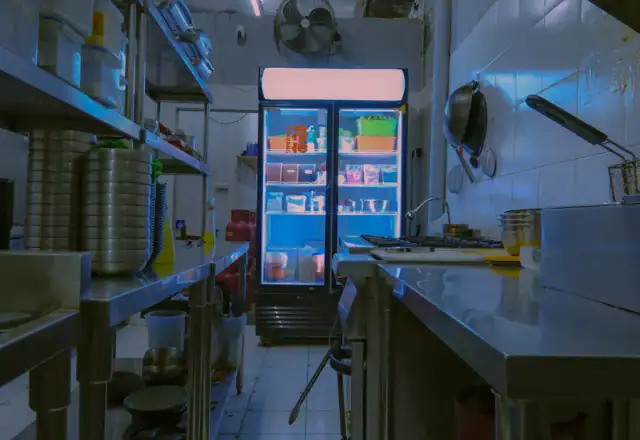
Production cooking creates heavy wash-up: stockpots, sheet pans, mixing bowls and hotel pans. These do not fit in a standard dishwasher and need a pot-wash sink with enough depth and a sprayer. Check whether the kitchen provides soak tanks, trolleys for dirty pans and racks for drying large items.
Plan your wash-up as part of the workflow. Soak the dirtiest items first, wash in batches and keep clean and dirty zones separate. A busy production day can generate hours of washing, so build that time into your booking and consider bringing an extra pair of hands.
If your wash-up needs are heavy, ask whether the operator offers a wash-up service or a dedicated sink for your use.
Cleaning supplies and chemicals
Reputable kitchens supply basic detergent and sanitizer and provide test strips. Specialty chemicals, scouring pads and your own cloths are usually your responsibility. Never mix chemicals, and use only approved products around food contact surfaces. Store your supplies in a labeled area away from food.
Read the safety information on each product and ask where eyewash, gloves and safety data sheets are kept.
Planning clean-down time into every booking
Clean-down is part of the session, not an afterthought. A good rule is to allow 20 to 30 percent of your booked time for it, more if you use many pots or messy ingredients. Scrape and soak as you go so that dirty items do not pile up, and start cleaning while the last batch finishes.
Track how long clean-down takes for your usual session and book accordingly. Overrunning your slot can mean fees and delay the next tenant.
Drying, racks and storage of clean items
Clean items must dry completely before storage because trapped water grows bacteria. Check for drying racks, shelving above floor level and a clear separation between clean and soiled areas. Never stack wet pans, which trap moisture and slow drying.
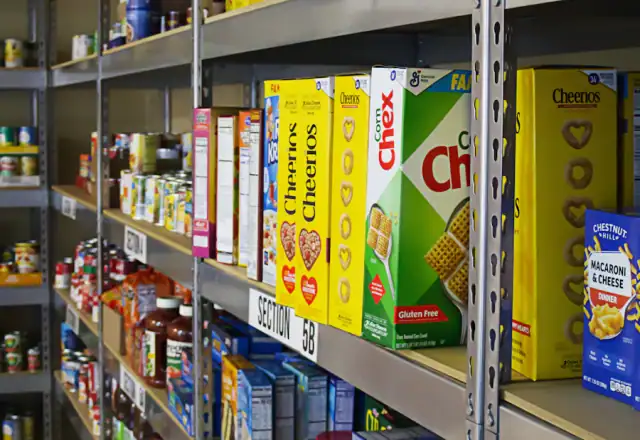
- Number of drying racks and shelf space
- Separate areas for clean and dirty items
- Where to hang or store your own tools
- Floor drains and non-slip surfaces
What tenants are responsible for
You clean everything you use: pots, trays, utensils, benches, floors and the sink area. Leave the wash-up area as you found it, empty strainers, wipe splashes and remove food waste. Deep cleaning, drain maintenance and grease trap service remain with the operator.
Cleaning fees apply in many agreements if the kitchen is left below standard, so allow time at the end of every session. See the kitchen rules.
Wash-up checklist for your tour
- How many sinks and dishwashers are there?
- Who supplies detergent, sanitizer and test strips?
- Where do clean and dirty items go?
- What is the standard for leaving the area?
- How is waste and grease handled?
- Are peak times crowded?
Bring this list to your kitchen tour and mark each answer, then compare kitchens on the same terms.
Chemical safety and handling
Cleaning products can harm you if used incorrectly. Wear gloves and eye protection when handling concentrated chemicals, never mix products and keep them in labeled containers. Know where safety data sheets and eyewash are located, and report spills immediately.
Store your own chemicals away from food and ingredients, in the area allocated by the operator.
More on equipment and facilities
This page is part of our equipment and facilities guide. Follow the pathways below to move up to the overview, compare alongside topics or go deeper into the detail.
Start with the overview
- Equipment and FacilitiesA practical checklist of the equipment, storage and support facilities that matter when you…
- Pricing and Rental PlansA clear explanation of what you pay for, what changes the price and how to get a quote…
- How Renting WorksSix clear steps from first inquiry to your first confirmed session, with what to prepare…
Compare alongside
- Goods Receiving and Loading AccessIngredients in, finished product out: loading access is as important as any oven. Know what…
- Food Packaging AreaA clean, organized packing area turns cooked food into a finished product. See what to look…
- Food Truck Parking and SupportA commissary base is more than a kitchen. Check parking, water, power and waste services…
- Preparation WorkstationsYour workstation is where most of your session happens. Here is what to measure and ask…
Go deeper
- Kitchen Rules and HygieneClear standards protect your food, your reputation and the other businesses using the…
- Building a Kitchen Cleaning ScheduleA written cleaning schedule keeps standards high without relying on memory. Here is how to…
- Cleaning vs Sanitizing Kitchen EquipmentCleaning removes dirt; sanitizing reduces germs. You need both, in the right order. Here is…
- Shared Kitchen RentalAllocated workstations, shared professional equipment and clear scheduling, the most…
Frequently asked questions
Straight answers to the questions food businesses ask most about dishwashing and wash-up facilities.
Do I need to bring cleaning chemicals?
Basic detergent and sanitizer are often supplied. Confirm what is provided and bring specialty products.
Can I use the dishwasher for pots?
Small items yes. Large pots and pans normally use the pot-wash sink.
How do I know sanitizer is strong enough?
Use the test strips supplied for the product and check each time you refill the sink.
Who pays if I damage equipment while washing?
Your agreement sets out responsibility. Report damage immediately.
Can I use my own towels?
Air drying is preferred. Clean, single-use towels may be allowed for hands.
What if the sink is blocked?
Tell staff immediately and do not pour waste into floor drains.
Where does food waste go?
Scrape into the designated food waste bin before washing, never into the sink.
Can I bring my own detergent?
Often yes if it is food-safe and approved. Ask first.
See the kitchen and equipment in person
Tell us what you cook and which equipment matters. We confirm a viewing time by email.