Facilities and support
Food Truck Parking and Commissary Support Services
A commissary base is more than a kitchen. Check parking, water, power and waste services before you sign.
Free to inquire. We reply by email, usually within one business day.

Food truck support at a commissary includes parking, potable water filling, power hook-ups, greywater and grease disposal, trash collection and cleaning space. Confirm vehicle size limits, hours, charges and local commissary requirements, because many health departments require these services from a licensed facility.
What food truck support means
A truck carries a tiny kitchen and almost no capacity for waste, water or deep cleaning. A commissary fills those gaps by providing a base where the truck can park, fill water, empty waste, plug in and be cleaned. Without those services, a truck cannot operate legally in many areas.
This page lists what to ask about, not what any particular kitchen provides. Confirm every service in writing before relying on it.

Parking and space
- Maximum length, width and height of vehicle
- Overnight and daytime parking rules
- Number of trucks allowed at once
- Security, lighting and access hours
- Turning space and ease of entering and leaving
Test the route in your own vehicle if you can. Tight turns and low clearances are easy to underestimate.
Water, power and fuel
Trucks need a clean source for freshwater tanks and, often, a power hookup to keep refrigeration running overnight. Ask about water quality, hose connections and amperage, and whether a charge applies. Propane and fuel storage rules are strict, so confirm what is allowed on site.
Never fill tanks from an unapproved tap and never connect equipment to power without permission.
Daily routine for a commissary-based truck
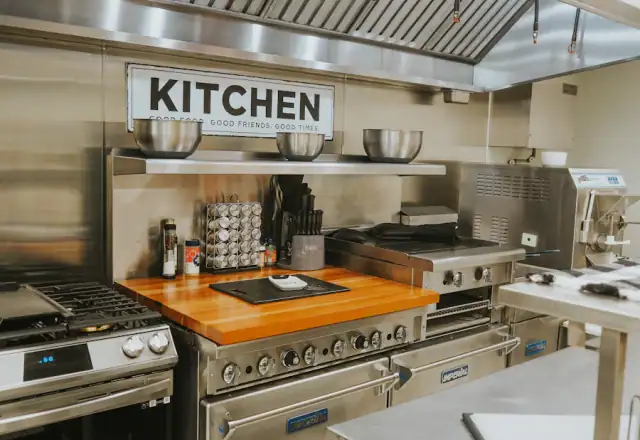
A consistent routine keeps a truck compliant and efficient. In the morning, arrive, collect prepared food from the kitchen, fill water, check refrigeration and load the truck. After service, return, unload leftovers, empty waste, clean and sanitize and restock for the next day. Record each step with times and initials.
These logs help during inspections and show your health department that you use the commissary regularly. Ask the operator whether they can countersign them.
Costs to expect and how to compare commissaries
Commissary costs often combine kitchen time, parking, water, power and waste services. Compare total monthly cost at your pattern of use, not headline rates. A cheap kitchen that charges separately for each service may cost more than a bundled plan.
Also compare location. A commissary far from your serving areas adds fuel, time and traffic risk, which can outweigh any savings.
Choosing a commissary that fits your route
Location shapes your day. A commissary near your usual pitches saves fuel and time, while one far away adds traffic risk and fatigue. Map your typical routes and count the minutes to the commissary at opening and closing times. Peak-hour traffic can double a journey.
Also consider how early you need to leave and how late you return. Check access hours against your schedule and ask about overnight parking if you work late events.
A slightly higher fee for a closer, more convenient location often pays for itself in saved time.
Greywater, grease and waste disposal
Wastewater and grease must go to an approved disposal point, not a storm drain. A good commissary provides a clearly marked dump station and explains how to use it, and keeps records. Trash and recycling should be handled in covered containers.
Ask whether disposal is included or charged, and whether a staff member must supervise. See managing cooking oil and kitchen waste.
Cleaning the truck and equipment
Trucks need regular cleaning of grills, fryers, floors and refrigeration. Look for an area with hot water, space for equipment and drainage. Clean before storing food, and keep records that show a regular cleaning routine.

- Remove food and empty waste
- Clean and sanitize food contact surfaces
- Clean floors and grease traps
- Refill water and restock
- Park and connect power if required
What to do if something goes wrong
Breakdowns, spills and power failures happen. Ask what the operator does if a dump point is blocked, power fails or the truck cannot leave. Have a backup plan, such as a second commissary or a nearby service provider, and keep emergency contacts on the truck.
Document incidents and tell the operator promptly. Small problems handled quickly rarely become inspection issues.
Local rules, records and paperwork
Health departments often require a commissary agreement and proof that you visit regularly. Ask what the authority needs and whether the operator can provide a letter or sign your logs. Keep your permit, agreement and service records on the truck in case of inspection.
Rules differ by city and county, so confirm them with your health department. See rental requirements.
Questions to ask your health department about commissaries
Before you choose a commissary, ask your local health department what it requires: whether a written agreement is needed, how often you must visit, what records it will inspect and whether the commissary must be within a set distance. Rules differ widely, and an approved arrangement in one county may not be accepted in the next.
Keep the answers in writing and share them with the operator. A good commissary will happily confirm that it meets the requirements and will help you complete any forms.
Food truck support checklist for your tour
- What truck sizes can park here, and when?
- What is the water, power and waste process?
- Are services included or charged separately?
- Can the operator sign commissary logs?
- How is access controlled at night?
- Can I prep in the kitchen on the same visit?
Bring this list to your kitchen tour and mark each answer, then compare kitchens on the same terms.
Inspections and keeping your truck compliant
Inspectors often check the truck, the commissary agreement and service records. Keep your permit visible, your logs up to date and your equipment clean. Fix small issues quickly, and ask the operator to help if you do not understand a requirement.
Regular, documented use of the commissary is the best evidence that you operate responsibly.
More on equipment and facilities
This page is part of our equipment and facilities guide. Follow the pathways below to move up to the overview, compare alongside topics or go deeper into the detail.
Start with the overview
- Equipment and FacilitiesA practical checklist of the equipment, storage and support facilities that matter when you…
- Pricing and Rental PlansA clear explanation of what you pay for, what changes the price and how to get a quote…
- How Renting WorksSix clear steps from first inquiry to your first confirmed session, with what to prepare…
Compare alongside
- Kitchen Security and AccessYou need to get in at 4 a.m. and know your stock is safe. Here is how kitchen access and…
- Goods Receiving and Loading AccessIngredients in, finished product out: loading access is as important as any oven. Know what…
- Staff and Changing FacilitiesGood facilities for your team protect hygiene and keep people working well. Here is what to…
- Dishwashing and Wash-Up FacilitiesClean equipment is the foundation of food safety. Know what wash-up capacity to expect and…
Go deeper
- Kitchen Rental for Food TrucksHow food truck operators use a commercial kitchen as a commissary base: prep, storage…
- Kitchen Rental for Street Food VendorsPrep space, portable-kit storage and early-morning access for street food vendors working…
- Starting a Food Truck with a Commissary BaseA food truck is a kitchen on wheels that still needs a real kitchen behind it. Here is how…
- Rental RequirementsA plain checklist of what you need before you rent, why each item matters and how to check…
Frequently asked questions
Straight answers to the questions food businesses ask most about food truck parking and support.
Do I need a commissary for a food truck?
Many places require one. Check with your local health department.
Can I park my truck overnight?
Some commissaries allow it. Ask about size, security and fees.
Where do I dump greywater?
At an approved dump point provided by the commissary, never in a street drain.
Can I plug in to keep refrigeration on?
If power hookups are provided and approved. Ask about amperage and charges.
Is parking included in kitchen rental?
Often it is a separate fee. Compare total cost.
Can the commissary sign my logs?
Many can. Ask what authority requires and whether the operator will complete them.
Can two trucks share one commissary space?
Often yes if there is room. Ask about parking and simultaneous use.
What if my truck is too big?
Ask about dimensions before signing. Some kitchens cannot accommodate large vehicles.
See the kitchen and equipment in person
Tell us what you cook and which equipment matters. We confirm a viewing time by email.