Guide
Managing Cooking Oil and Kitchen Waste in a Shared Kitchen
Oil and waste are easy to ignore until a drain blocks. Learn the habits that keep the kitchen running and compliant.
Free to inquire. We reply by email, usually within one business day.

To manage cooking oil and kitchen waste, filter and store used oil in labeled containers for collection, never pour fat or oil down drains, scrape food into designated waste bins, separate recycling, keep bins covered and emptied regularly, clean floor drains and grease traps according to the operator’s schedule and follow local rules on disposal and collection.
Why oil and waste need a plan
Fat, oil and grease harden in pipes and cause blockages that can close a kitchen. Poor waste handling attracts pests, creates smells and risks inspection failures. In a shared kitchen, one tenant’s habits affect everyone, so rules are strict and consequences can include fees.
A few simple habits prevent nearly all problems and keep relations with the operator and neighbors good.

Used cooking oil
Let oil cool, then filter it into a clean, sealed container. Label the container and place it in the area designated by the operator. Do not mix oil with other liquids. Ask whether collection is included or whether you must arrange it, and how often it happens.
Check how the kitchen records oil handling and whether it uses a licensed collector.
Training and responsibility
Brief every team member on oil, waste and recycling rules. Put simple instructions on the wall. Assign someone to check bins and oil containers at the end of each session. Responsibility should be clear.
A short end-of-shift check prevents most problems.
Hazardous waste and chemicals
Cleaning chemicals, aerosols and other hazardous items need special disposal. Do not put them in general bins or drains. Ask the operator how to dispose of them and keep safety data sheets handy.
Store chemicals safely away from food.
Why fat must never go down the drain
Fat cools and sticks to pipes, building up until the pipe blocks. Grease traps catch some, but they are not designed to handle bulk disposal. Blockages can cause backups, flooding and expensive emergency calls, which can be charged to the tenant responsible.
- Scrape plates and pans before washing
- Wipe greasy equipment with paper first
- Use strainers in sinks
- Pour no liquid fat or oil down any drain
Costs and sustainability
Oil collection and waste services have costs, and some operators pass them on. Ask how they are charged. Reducing waste and recycling more can cut costs and improve your environmental footprint, which many customers value.
See pricing for how charges are shown in quotes.
Records and compliance
Keep pickup receipts, grease trap service records and notes of oil changes. Local authorities may inspect them. If you fry regularly, ask the operator to confirm that pickups meet local rules, and keep your own copies in case of disputes.
Food waste handling
Scrape food scraps into designated bins, not the sink. Use lidded bins, line them and empty them before they overflow. Keep waste areas clean. Ask whether the kitchen offers food waste collection or composting, and how to use it.
Measure and reduce waste so that bins fill more slowly. See reducing waste during food production.
Storing and collecting used oil
Let oil cool, filter food particles, and store it in closed, labeled containers in a designated area away from heat. Arrange for collection by a licensed recycler, who may pay for the oil or provide containers. Keep records of pickups, which inspectors may ask to see.
Recycling and packaging
Separate cardboard, glass, plastics and metal according to local rules. Flatten boxes, rinse containers and keep recycling clean. Use the right bins and avoid contamination, which can cause entire loads to be rejected.
Ask the operator what is accepted and when collections happen.
Grease traps and floor drains
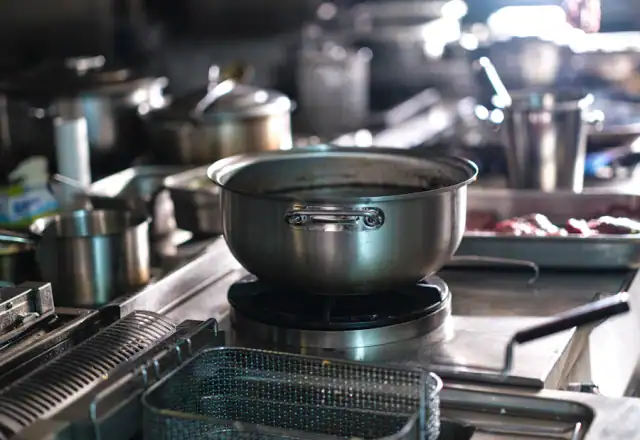
Grease traps and floor drains need regular cleaning. Ask who is responsible and how often it happens. Keep floor drains clear, and do not wash debris into them. Report slow drains or smells straight away.
Prompt reporting avoids bigger problems later.
Reducing oil use and extending its life
Filter oil regularly, keep temperatures within range, avoid mixing different oils, and replace it when it darkens, foams or smells. Using less oil through better recipes or baking instead of frying saves money and reduces waste. Test oil quality with strips if you fry frequently.
Questions to ask your kitchen about waste services
Ask who collects oil and how often, whether there is a grease trap and when it was last cleaned, where food scraps go and whether recycling is available. Ask what costs are shared and what you must handle yourself. Knowing these details helps you budget and avoids penalties.
Why grease must never go down the drain
Fats, oils and grease cool and harden in pipes, forming blockages that cause sewage backups, plumbing bills and violations. Many municipalities fine businesses for discharging grease. Even a small amount from rinsing pans can accumulate over weeks, so wipe pans with paper towels before washing and use drain strainers.
Shared kitchen rules and responsibilities
Ask the operator how oil is handled, whether a shared tank exists and how costs are divided. Do not pour oil into shared bins unless allowed. Tell the operator when you use a fryer so that they can maintain the grease trap and plan pickups. Clear rules prevent disputes between tenants.
Hygiene and pest control
Waste areas are a magnet for pests. Keep lids closed, clean spills at once and empty bins often. Wash bins regularly. Report signs of pests immediately and follow the kitchen’s pest control procedures.
See the kitchen rules for cleaning standards.

Spill response and safe handling
Hot oil causes severe burns and slippery floors. Let oil cool before moving it, use proper containers with lids and carry them with a cart rather than by hand over long distances. Keep absorbent material and a spill kit nearby, clean spills immediately, and report any incident to the operator. Good habits prevent injuries and protect shared floors and drains.
More on running a rented kitchen
This page is part of our running a rented kitchen guide. Follow the pathways below to move up to the overview, compare alongside topics or go deeper into the detail.
Start with the overview
- Kitchen Rental Resource CenterPlain-English guides organized by what you need to do: choose a kitchen, operate safely and…
- Pricing and Rental PlansA clear explanation of what you pay for, what changes the price and how to get a quote…
- How Renting WorksSix clear steps from first inquiry to your first confirmed session, with what to prepare…
Compare alongside
- Reporting Kitchen Equipment FaultsPrompt, clear fault reports keep everyone safe and protect your deposit. Here is a simple…
- Equipment Induction for Kitchen UsersAn induction keeps you and the equipment safe. Know what a good one covers and how to make…
- Planning a Batch Production ScheduleA written schedule turns a chaotic production day into a repeatable routine. Learn how to…
- Managing Production and Order DeadlinesDeadlines are fixed, kitchen slots are limited. Plan backward from the due date so orders…
Go deeper
- Kitchen Rules and HygieneClear standards protect your food, your reputation and the other businesses using the…
- Dishwashing and Wash-Up FacilitiesClean equipment is the foundation of food safety. Know what wash-up capacity to expect and…
- Cooking Line, Grills and FryersBurners, griddles, grills and fryers decide what you can cook and how fast. Here is how to…
- Reducing Waste During Food ProductionWaste is cost. This guide shows where it hides in a production kitchen and how to cut it.
Frequently asked questions
Straight answers to the questions food businesses ask most about managing cooking oil and kitchen waste.
Can I pour small amounts of oil down the sink?
No. Always collect it.
Who collects used oil?
Often a licensed collector arranged by the operator. Ask.
What about grease from pans?
Wipe out with paper and scrape into waste.
Can I compost food waste?
If the kitchen offers it.
Who cleans the grease trap?
Usually the operator, on a schedule.
What happens if I block a drain?
You may be charged for repairs.
Put this guide into practice in a real kitchen
Tell us about your food business and the hours you need. We match you with a licensed kitchen and send a written quote.