
Rental options
Shared Commercial Kitchen Rental
Allocated workstations, shared professional equipment and clear scheduling, the most affordable way to produce food in a licensed kitchen.
Free to inquire. We reply by email, usually within one business day.
A shared commercial kitchen lets several food businesses use one licensed kitchen at scheduled times. You get an allocated workstation, access to shared equipment and optional storage, and pay a monthly or hourly fee. It suits startups, caterers and small producers who cook regularly but do not need exclusive space.
What a shared kitchen is
A shared commercial kitchen is a licensed food preparation facility used by multiple businesses at different times. Instead of every business paying for its own ventilation, cooking line, refrigeration and inspections, they share those fixed costs and each pays for the time and space it uses. The result is professional equipment at a fraction of the price of building your own.
Shared kitchens are sometimes called commissary kitchens, community kitchens or incubator kitchens. The common thread is scheduled, shared use of equipment under rules that keep every tenant’s food safe. Good shared kitchens combine strong scheduling with clear cleaning and allergen standards so that sharing feels organized rather than crowded.
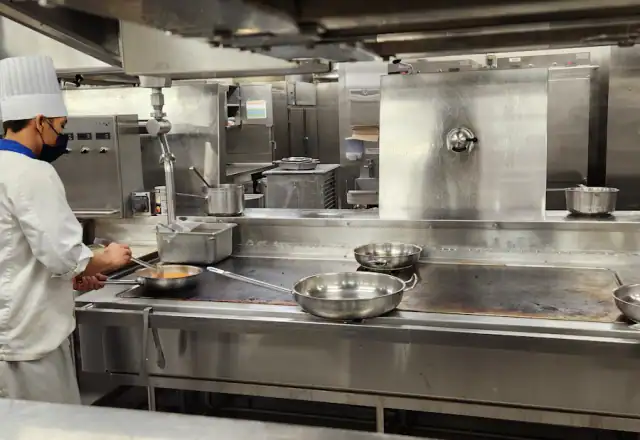
What is typically included
Core inclusions tend to be consistent, though details vary between kitchens, so always confirm them in writing.

- An allocated stainless steel workstation and shared small equipment
- Access to ranges, ovens, fryers and mixers under a ventilation hood
- Handwashing, three-compartment sink and commercial dishwashing
- Utilities such as water, gas and electricity
- Basic cleaning supplies and sanitizer
- Access to storage, often as an add-on
See the equipment and facilities page for a full checklist to take on your tour.
Keeping ingredients and allergens separate
Shared use creates a real responsibility to keep ingredients and allergens separate. Reputable kitchens require tenants to label and date everything, store allergen ingredients below and apart from ready-to-eat food, and use dedicated or properly cleaned equipment for allergen-free production. Cleaning between users is part of the booking, not an afterthought.
If your product is allergen-free or specialty, such as gluten-free or nut-free, discuss this during your tour. Some kitchens designate allergen-controlled stations or times. The kitchen rules page and our guide to allergen management in a shared kitchen explain the practices that protect you and your customers.
Questions to ask before joining a shared kitchen
- How many tenants use the kitchen at the same time, and at which hours is it busiest?
- Is equipment reserved per booking, or first come, first served?
- What storage is available, how is it secured and what does it cost?
- How are allergens and dietary controls managed between tenants?
- What are the cleaning standards, and who checks them?
- How much notice is needed to change or cancel a booking?
- Can I increase or reduce my hours without penalty?
Write down the answers and compare them across kitchens. The best shared kitchens answer these questions clearly and in writing.
Costs and commitment
Shared kitchens are the lowest-cost regular format because the facility is used by many tenants. You typically pay a monthly membership that includes a block of hours, or pay by the hour, and add storage by shelf or bin. Costs rise with the number of hours you book, prime-time slots and specialty equipment.
Compare the total monthly cost at your expected hours rather than the headline rate. The pricing page explains how quotes are built and what extra charges to check. If your hours vary widely, hourly rental may suit better; if you need exclusive control, consider a private kitchen.

How to get started

- Choose your hoursEstimate how many hours per week you will cook, including setup and cleaning, and note preferred days.
- Tour the kitchenSee the workstation, equipment and storage you will use and ask about scheduling.
- Complete onboardingProvide registration, food safety certification and insurance, then sign the agreement.
- Take your inductionLearn the equipment, rules and booking system before your first shift.
Ready to begin? Request a quote or book a tour.
More on kitchen rental formats
This page is part of our kitchen rental formats guide. Follow the pathways below to move up to the overview, compare alongside topics or go deeper into the detail.
Start with the overview
- Commercial Kitchen RentalEverything you need to choose between shared, private, hourly, ghost and production…
- Pricing and Rental PlansA clear explanation of what you pay for, what changes the price and how to get a quote…
- How Renting WorksSix clear steps from first inquiry to your first confirmed session, with what to prepare…
Compare alongside
- Private Kitchen RentalExclusive access to your own licensed kitchen unit, on your schedule, with your equipment…
- Farmers Kitchen RentalTurn surplus harvest into jams, sauces, baked goods and prepared foods in a licensed…
- Cloud, Dark and Ghost Kitchen RentalDelivery-first kitchen space with rider collection and dispatch support, for brands that…
- Long-Term Kitchen RentalA longer contract buys stability and often a better rate. Know what to check on term…
Go deeper
- Hourly Kitchen RentalBook professional kitchen time by the hour for trials, events and irregular production, and…
- Kitchen Rental for Food StartupsA practical plan for launching a food business with a rented kitchen: entry plans, trials…
- Shared vs Private Kitchen RentalShared kitchens cost less and private kitchens give control. This guide shows how to decide…
- Kitchen Rules and HygieneClear standards protect your food, your reputation and the other businesses using the…
Frequently asked questions
Straight answers to the questions food businesses ask most about shared kitchen rental.
How is a shared kitchen different from a private kitchen?
In a shared kitchen you use an allocated workstation and shared equipment alongside other businesses. A private kitchen gives you exclusive use of an entire unit.
Can I store ingredients in a shared kitchen?
Usually yes, in allocated dry, refrigerated or freezer space, often for an additional fee and with labeling and rotation rules.
Is a shared kitchen safe if I have food allergies in my products?
It can be, if the kitchen enforces allergen labeling, separation and cleaning. Discuss controls and designated stations during your tour.
How many hours do I need to book?
It depends on the plan. Some memberships include a block of hours per month, while others allow booking by session.
What if another tenant needs the same oven?
Good kitchens reserve equipment by booking or schedule ovens by slot so conflicts are rare. Ask how this works before you join.
Can I move to a private kitchen later?
Yes, subject to availability. Many businesses start in a shared kitchen and move to private space as they grow.
Do shared kitchens have rules about guests and helpers?
Yes. Only named, inducted people may work in the kitchen, and visitors stay in designated areas.
Can I brand my storage space?
You can usually label your shelf or bin with your business name, as long as labeling follows the kitchen’s rules.
What happens if the equipment I booked is broken?
The operator should tell you promptly and offer an alternative slot or equipment. Ask about this policy before you join.
Ask about this kitchen option
Tell us what you need and we reply by email, usually within one business day, with a clear next step.