Rental options
Farmers Kitchen Rental: Value-Added Food Production Space
Turn surplus harvest into jams, sauces, baked goods and prepared foods in a licensed kitchen, without building a processing facility.
Free to inquire. We reply by email, usually within one business day.
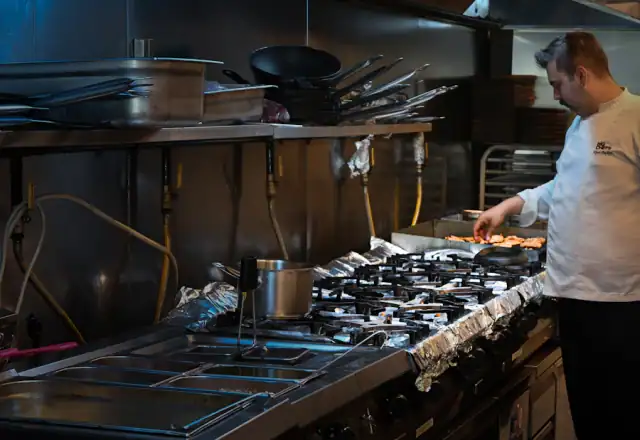
Farmers kitchen rental gives growers licensed space to turn produce, eggs, dairy or meat into value-added products such as jams, sauces, pickles and baked goods. Look for suitable cooking equipment, clean prep and packing space, cold and dry storage and clarity on permitted activities, because processing rules differ from selling raw produce.
Why farmers rent processing kitchens
A farm can produce more than it can sell fresh. Seconds, surplus and seasonal gluts become waste unless they are processed into something with a longer life. Value-added products such as jams, sauces, pickles, dried goods and baked items turn those crops into income all year.
Most farms lack a licensed facility for this, and building one is costly. Renting a commercial kitchen lets growers process in season, keep investment low and test products at markets before deciding whether to expand.
It also builds a brand: a labeled product from a named farm travels further than a crate of produce.

What to look for in a kitchen
- Large pots, kettles or steam equipment for batch cooking
- Clean washing, peeling and prep areas for produce
- A packing area for jars, bags or trays
- Cold storage for perishable ingredients and finished goods
- Dry storage for jars, lids and labels
- Loading access for crates and deliveries from the farm
Match the equipment to your products. Jams need a heavy pot and accurate thermometers, pickles need acidity control and baked goods need ovens and mixers.
Seasonal planning and batch timing
Farm production is seasonal and unpredictable. Fruit ripens all at once and must be processed quickly, so you may need several long sessions in a few weeks and none for months. Short-term or part-time rental fits that pattern better than a year-round plan.
Plan batch timing around harvest, with backup days if weather shifts. Book early in peak season, because other growers will want the same slots.
See preparing for seasonal production peaks for a planning framework.
Food safety, acidity and processing rules
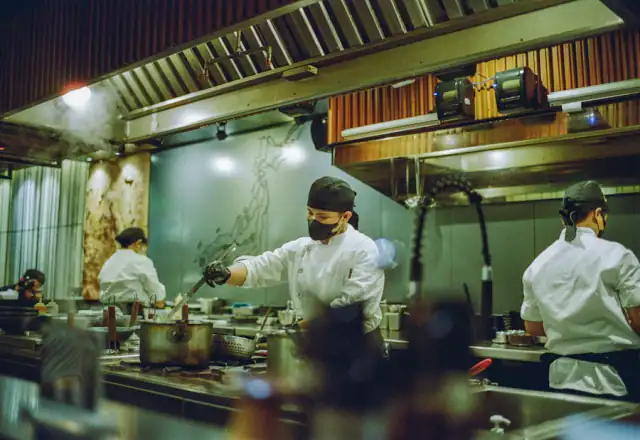
Processing changes the safety profile of food. Low-acid foods packed in sealed jars, acidified products and canned goods have strict rules, and some require a trained person and a process review. Raw produce rules do not cover processed products.
Check with your state agriculture or health department which category your products fall into and what approvals you need. Share this with the kitchen operator. See rental requirements and kitchen rules.
Labeling, shelf life and traceability
Processed products need accurate labels with ingredients, allergens, net weight and your business details. Test shelf life, set best-before dates and use batch codes so you can trace any problem. Retailers and markets will ask for this information.
See planning shelf-life testing and batch coding and traceability.
Selling value-added products
Farmers sell at markets, through farm shops, online and to local retailers. Each route has permit and labeling requirements. Start at a market to gather feedback, then add wholesale or online sales as production grows.
A rented kitchen supports growth in steps. Kitchen rental for market vendors describes a weekly rhythm that many producers follow.
Compliance reminders for market sellers
Market sellers usually need a food license or permit, proof of a licensed production space, product labels with ingredients and allergens, and sometimes liability insurance. Some markets require a certificate for temperature-controlled foods and handwashing equipment at the stall. Check each market’s rules and your state’s requirements in advance, and keep copies of your documents at the stall for inspectors and market managers.
Checklist for farmers renting a kitchen
- Are my products allowed under the kitchen’s license and my permits?
- Can the equipment handle my batch sizes?
- Can I deliver crates and store them safely?
- What storage is available for finished products?
- What labeling and shelf-life testing do I need?
- Can I book seasonal bursts without a long contract?
Bring this list to your kitchen tour and compare every kitchen on the same terms before you decide.
Preserving quality from field to jar
Quality starts in the field. Harvest at peak ripeness, cool quickly and process within hours where possible. Wash, sort and discard damaged fruit, and record variety and harvest date for each batch. Process times and temperatures should follow tested recipes.
Small quality improvements show up in taste and shelf life, and customers notice them.
Making the most of a short market season
Seasonal markets reward early preparation. Test new products before the season opens, register for the markets you want well in advance and arrange kitchen hours for the busiest months. Talk to the operator about off-season rates and storage for jars, packaging and equipment. After the season ends, review sales by market and by product, and plan next year around the results. A clear season plan makes each kitchen hour earn more.
Costing value-added products
Farmers often undervalue their own produce and time. Cost every product: crop value, labor, kitchen time, jars and labels, permits and market fees. Divide by units to find a true cost per jar, then price with a margin that rewards the effort.
Compare with similar products at markets, and test price points with small batches. A premium product with a clear farm story often supports a higher price than a generic equivalent.
Questions to ask the operator as a farmer
- Can I process produce that arrives with soil, such as root vegetables?
- Is there a wash and prep area separate from cooking?
- How is waste handled, including peels and trimmings?
- Can I deliver crates early in the morning?
- What storage exists for perishable produce?
- Are there rules on products made with meat, dairy or eggs?
Clear answers show whether the kitchen understands the realities of farm production.
Planning production around market days
Market sales follow a weekly rhythm. Book your kitchen for one or two prep sessions before each market day, cook items with a short shelf life last, and chill or freeze everything promptly. Build a load list for the stall and a returns plan for unsold items. Track what sells out and what comes home, and adjust quantities each week. Over a season, this data tells you which products deserve more kitchen time.
Working with other growers
Sharing a kitchen day with neighboring growers can cut costs. Split the booking, coordinate deliveries and take turns on cleaning, while keeping each producer’s stock and labels separate. Agree rules in writing so there are no disputes.
Shared production also builds a local brand story, with products that reflect a region rather than a single farm.
More on kitchen rental formats
This page is part of our kitchen rental formats guide. Follow the pathways below to move up to the overview, compare alongside topics or go deeper into the detail.
Start with the overview
- Commercial Kitchen RentalEverything you need to choose between shared, private, hourly, ghost and production…
- Pricing and Rental PlansA clear explanation of what you pay for, what changes the price and how to get a quote…
- How Renting WorksSix clear steps from first inquiry to your first confirmed session, with what to prepare…
Compare alongside
- Shared Kitchen RentalAllocated workstations, shared professional equipment and clear scheduling, the most…
- Long-Term Kitchen RentalA longer contract buys stability and often a better rate. Know what to check on term…
- Private Kitchen RentalExclusive access to your own licensed kitchen unit, on your schedule, with your equipment…
- Food Cart RentalRenting a cart and renting a kitchen are different things. Understand the difference, and…
Go deeper
- Request a Rental QuoteTell us about your production and get a clear, written quote built around your hours…
- Kitchen Rental for Market VendorsHow farmers market and craft market vendors use a rented kitchen to produce packaged goods…
- Short-Term Kitchen RentalFixed-date kitchen access for projects, trials, seasonal peaks and backup capacity, without…
- Kitchen Rental for Sauce and Condiment BrandsBatch cooking, filling and container handling for sauce, dressing and condiment brands…
Frequently asked questions
Straight answers to the questions food businesses ask most about farmers kitchen rental.
Can I process my own produce in a rented kitchen?
Yes, if the products and process are permitted and you hold the right approvals.
Do I need a permit to sell jam or pickles?
Often yes. Rules vary by state and product type.
Can I bring crates of produce?
Yes. Ask about delivery times and storage.
Is seasonal rental possible?
Yes. Short-term and part-time plans suit harvest peaks.
Can I sell at farmers markets?
With the right permits and labeling.
Can I store jars at the kitchen?
Often in dry storage for a fee. Ask about space and access.
Ask about this kitchen option
Tell us what you need and we reply by email, usually within one business day, with a clear next step.