
Kitchen rental overview
Commercial Kitchen Rental Across the United States
Everything you need to choose between shared, private, hourly, ghost and production kitchens, with plain answers on costs, paperwork and how to get started.
Free to inquire. We reply by email, usually within one business day.
Commercial kitchen rental gives a food business access to a licensed, fully equipped professional kitchen without building one. You rent by the hour, month or project, choosing shared workstations, a private unit, ghost kitchen space or bulk production space, and pay only for the time, storage and equipment you use.
What commercial kitchen rental means
A commercial kitchen is a food preparation space that meets health department standards for selling food to the public. Home kitchens usually cannot be used for most food businesses because local rules require inspected facilities, commercial equipment and approved sanitation. Renting solves that without the cost of leasing a restaurant space and fitting it out.
When you rent, the operator holds the facility license, maintains the equipment and handles building systems such as ventilation, plumbing and fire suppression. You bring your recipes, ingredients, team and insurance. Many food businesses start in a rented kitchen, grow into larger formats, and keep renting even after they scale because the model stays cheaper than owning for years.
The rental market uses several overlapping names. You will see shared kitchen, commissary, incubator kitchen, ghost kitchen and production kitchen. They all describe licensed kitchen space that businesses use on a flexible basis; the differences are mostly about how exclusive the space is and what the kitchen is optimized for.
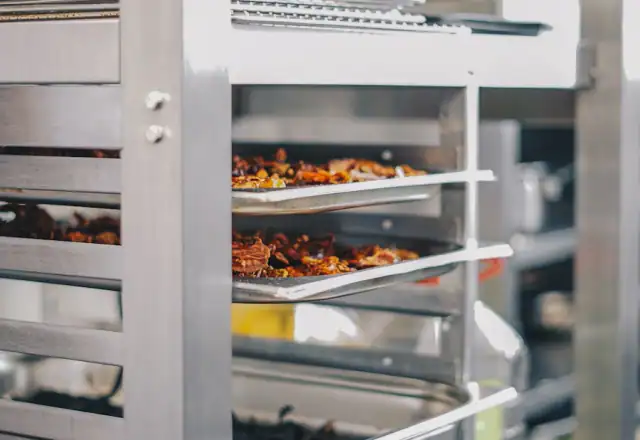
Rental formats compared
Choosing the right format is the biggest decision you make, because it drives cost, schedule and equipment access. This table summarizes how the main formats differ.
| Format | Best for | Access | Commitment |
|---|---|---|---|
| Shared kitchen | Startups, regular small-batch production | Allocated workstation and shared equipment | Monthly or by booked shifts |
| Private kitchen | Teams needing exclusive control | Whole unit for your use | Contract, usually longer term |
| Hourly rental | Trials, one-off events, overflow | Booked sessions | None beyond each booking |
| Ghost / cloud kitchen | Delivery-app brands | Delivery-oriented station and dispatch | Monthly |
| Production kitchen | Bulk batches and distribution | Large-format equipment and storage | Monthly or contract |
| Short-term rental | Projects, seasonal peaks, backup capacity | Fixed dates | Weeks to a few months |
How to choose the right kitchen
Start with how often you cook. If you cook a few times a month, hourly booking keeps cost proportional to use. If you cook every week, a shared membership usually works out cheaper per hour. If you need to leave equipment set up, store product on site or run several shifts, a private or production unit becomes worth considering.
Next, list your equipment needs. Bakers need ovens, proofing space and mixers. Caterers need holding equipment and chilled storage. Sauce brands need kettles and filling space. Always check that the specific equipment you rely on exists and is available at your booking time; a kitchen with the wrong equipment is not a bargain at any price.
Finally, consider growth. A good operator will let you move between formats, for example from hourly to shared to private, without starting over. Ask about that during your kitchen tour, and read the pricing guide to understand which charges can change as you scale.

What is usually included
Inclusions vary, so confirm them in writing. Most licensed kitchens provide the following as part of the base rate or as clearly priced add-ons:
- Commercial cooking equipment such as ranges, ovens and fryers
- Stainless steel prep surfaces and handwashing stations
- A three-compartment sink and commercial dishwashing
- Utilities including gas, water and electricity
- Access to dry, refrigerated or freezer storage, often as an extra
- Waste handling and grease management
- Insurance for the building, though not for your operations
Items that are commonly charged separately include storage space, equipment with special training requirements, overtime beyond a booked slot, and cleaning if the kitchen is left below standard. See extra charges to check before renting for a checklist.
Who rents commercial kitchens
Renters range from solo founders testing a recipe to restaurant groups that consolidate prep. Common groups include caterers, bakeries, meal prep companies, food trucks, sauce and condiment brands, snack brands, personal chefs and food startups.
Each group has different priorities. Food trucks care about commissary support and early-morning access. Packaged food makers care about storage, labeling space and shelf-life testing. Event caterers need loading access and chilled holding. The audience pages on this site explain what each group should look for.
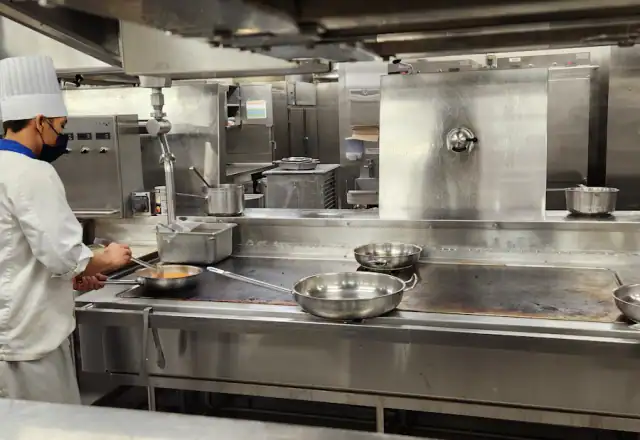
What it costs and what drives the price
Commercial kitchen rental is priced by time, space and extras. Hourly bookings cost the most per hour but nothing when you are not cooking. Monthly memberships reduce the hourly equivalent in exchange for commitment. Private and production units are priced as leases with utilities and storage built in or added.
Four things move your price: how many hours you book, how much storage you need, which equipment you use, and what time of day you work. Overnight and weekend slots are often cheaper, and prime daytime slots can cost more. For a practical breakdown see the commercial kitchen rental cost guide and the pricing page. Because every operation differs, we quote based on your actual usage rather than a generic rate card.
Compliance basics before you cook
Renting a licensed kitchen does not automatically license your business. You are still responsible for your own registration, food handler or manager certification, insurance and any permits required for what you sell. Requirements are set by your state and county health department and follow the FDA Food Code model in most states.
Plan for a business registration, proof of liability insurance, food safety training for the people who cook, and any local permit for selling at markets, events or wholesale. The rental requirements page lists the documents we check during onboarding, and the kitchen rules page explains the daily hygiene standards every renter follows.

Find a commercial kitchen by state
Browse every state and its city pages to compare local kitchens, equipment, terms and availability. If your area is not listed yet, tell us where you need a kitchen and we will check availability for you.
More on commercial kitchen rental
This page is part of our commercial kitchen rental guide. Follow the pathways below to move up to the overview, compare alongside topics or go deeper into the detail.
Start with the overview
Compare alongside
- Pricing and Rental PlansA clear explanation of what you pay for, what changes the price and how to get a quote…
- Home
- Equipment and FacilitiesA practical checklist of the equipment, storage and support facilities that matter when you…
- Kitchen Rental Resource CenterPlain-English guides organized by what you need to do: choose a kitchen, operate safely and…
Go deeper
- How Renting WorksSix clear steps from first inquiry to your first confirmed session, with what to prepare…
- Shared Kitchen RentalAllocated workstations, shared professional equipment and clear scheduling, the most…
- Private Kitchen RentalExclusive access to your own licensed kitchen unit, on your schedule, with your equipment…
Frequently asked questions
Straight answers to the questions food businesses ask most about commercial kitchen rental.
What is the cheapest way to start renting a commercial kitchen?
Hourly rental is usually the cheapest entry point because you pay only for booked sessions. Once you cook weekly, a shared membership typically lowers your effective hourly cost.
Do I need my own insurance to rent a commercial kitchen?
Yes. Operators generally require your own general liability insurance and sometimes product liability, and ask to be named as an additional insured. Confirm minimum coverage before you book.
Can I sell food I make in a rented commercial kitchen?
Generally yes, if you hold the permits your state and county require for your product and sales channel, such as retail, wholesale, catering or markets.
How quickly can I start cooking?
It depends on how fast you complete onboarding paperwork. Many renters finish within days once they have registration, certifications and insurance ready.
Is a ghost kitchen the same as a shared kitchen?
Not exactly. A ghost kitchen is optimized for delivery-only brands with dispatch support, while a shared kitchen is general-purpose space used by many different food businesses.
Can I move to a bigger kitchen format later?
Yes. Most operators let you move from hourly to shared to private or production space as your volume grows, subject to availability.
Ask about this kitchen option
Tell us what you need and we reply by email, usually within one business day, with a clear next step.