Who uses the kitchen
Ice Cream Kitchen Rental for Frozen Dessert Makers
Freezing, churning and cold storage for ice cream and frozen dessert makers, plus the dairy and compliance questions to ask first.
Free to inquire. We reply by email, usually within one business day.

Ice cream kitchen rental gives frozen dessert makers licensed space with batch freezers, pasteurization or approved base handling, blast or deep freezers, dairy refrigeration and dry storage. Confirm whether the kitchen supports dairy processing in your state, how pasteurization is handled, how much freezer space you get and how allergens are managed.
Why ice cream makers rent commercial kitchens
Ice cream production needs specialized equipment and strict handling. A home machine can make a few liters, but selling requires batch freezers, reliable freezing and approved dairy handling in a licensed facility. Many states also regulate frozen desserts separately from other foods.
Renting a commercial kitchen with the right equipment lets small makers start without the cost of building a dairy-capable facility. It is a way to test flavors, build demand at markets or in shops and decide whether a larger investment makes sense.

Freezing, churning and equipment
The heart of an ice cream kitchen is the batch freezer, which churns and freezes the mix in controlled conditions. Capacity ranges from a few liters to dozens per batch. After churning, ice cream is hardened in a blast freezer or deep freezer to lock in texture. Other useful items include a pasteurizer, homogenizer, hot plates, scales and a good thermometer.
- Batch freezer capacity and cycle time
- Blast or hardening freezer capacity
- Pasteurization or approved base handling
- Dairy refrigeration for mixes and ingredients
- Packing and labeling area for tubs and cones
- Scales, thermometers and cleaning equipment
Ask which items are available at your hours, and who maintains them.
Dairy rules and pasteurization
Ice cream is a dairy product, and regulators often require mixes to be pasteurized and records to be kept. Some states license dairy plants and frozen dessert makers separately, and not every commercial kitchen is approved for dairy processing. Some makers buy pasteurized bases, which can simplify regulation, but not all states allow all methods.
Before you book, ask the operator whether the kitchen supports dairy production, and check with your state agriculture or health department. Share your process so we can confirm it fits. The rental requirements page lists the documents we ask for.
Freezer storage and cold chain
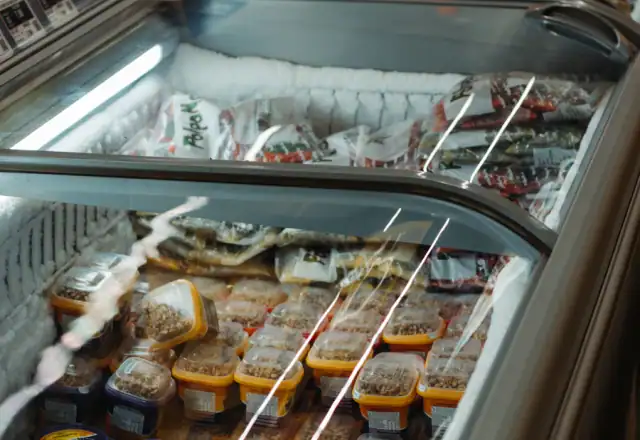
Ice cream must stay frozen, typically at 0°F or below. Ask how much freezer space you can have, how it is organized and whether temperature is monitored. Hardened product, flavors in progress and ingredient inventory all need space. Without enough freezer capacity, production stalls.
The cold chain continues beyond the kitchen. Use insulated containers and dry ice or frozen packs for transport, and keep product frozen during deliveries. See freezer storage for what to check.
Equipment checklist for an ice cream tour
When you visit a kitchen, bring a short list so you do not forget anything. Ask about batch freezer size and make, blast freezer capacity, pasteurization options, dairy refrigeration, scales, thermometers, tubs and lids storage and the freezer space you could use.
Also ask how often equipment is cleaned and sanitized, because dairy requires strict hygiene. Look at how staff handle ingredients, and check that wash-up facilities can cope with sticky, fatty residues. A kitchen that handles dairy well will be proud to show you its systems.
Flavors, ingredients and allergens
Ice cream often contains milk, eggs, nuts, soy and wheat, and flavor mix-ins can add more allergens. In a shared kitchen, control cross-contact with careful scheduling, cleaning and storage. Label every product clearly and keep a master record of recipes and ingredients.
Seasonal and specialty flavors help brands stand out, but they add complexity. Introduce new flavors gradually, test each for texture and shelf life and keep records. See the guide on allergen management in a shared kitchen.
Production planning and shelf life
Plan production in cycles: prepare and chill the mix, churn in the freezer, harden and then pack. Because mixes must rest and chill before churning, a good schedule starts a day ahead. Track batch size, overrun (the air whipped in) and yield to keep costs under control.
Shelf life depends on storage temperature and recipe. Test product at regular intervals for texture and ice crystals, and set a best-before date. See planning shelf-life testing.
Costs, format and getting started
Because of the equipment and storage needs, many ice cream makers use a private kitchen or a shared kitchen with dedicated freezer space. Compare total costs including equipment access, storage and utilities. Seasonal demand is high in summer, so plan extra capacity.
To start, tell us your product, batch size and equipment needs, and ask about dairy support. Request a quote or book a tour to see the freezers and equipment for yourself.

Seasonality and cash flow
Ice cream sales peak in warm months and drop in winter. Plan for the swing by booking extra capacity and storage before summer, and by developing winter products such as holiday flavors, cakes and sundae kits. A flexible rental plan helps you scale up in summer and down in winter without carrying fixed costs year-round.
Build cash reserves in busy months to cover the quiet ones. Track sales by week and compare them with the weather and events so you can plan production better each year.
Costing ice cream and avoiding common mistakes
Ice cream cost depends on butterfat, mix-ins, overrun and wastage. Premium ingredients such as vanilla, chocolate and nuts can be expensive, while overrun spreads costs across more volume. Weigh everything, record yields per batch and compute cost per scoop and per tub.
- Skipping aging time for mixes, which affects texture
- Letting product melt and refreeze, which creates ice crystals
- Under-pricing seasonal ingredients that cost more in peak months
- Overfilling freezer space and blocking airflow
- Ignoring allergen risk from mix-ins and shared equipment
More on who uses a rented kitchen
This page is part of our who uses a rented kitchen guide. Follow the pathways below to move up to the overview, compare alongside topics or go deeper into the detail.
Start with the overview
- Commercial Kitchen RentalEverything you need to choose between shared, private, hourly, ghost and production…
- Pricing and Rental PlansA clear explanation of what you pay for, what changes the price and how to get a quote…
- How Renting WorksSix clear steps from first inquiry to your first confirmed session, with what to prepare…
Compare alongside
- Kitchen Rental for Sandwich and Salad BusinessesCold prep benches, chilled storage and portioning space for sandwich, salad and grab-and-go…
- Kitchen Rental for Market VendorsHow farmers market and craft market vendors use a rented kitchen to produce packaged goods…
- Catering Kitchen RentalEverything a catering business should check in a rented kitchen: batch capacity, holding…
- Kitchen Rental for Charities and Community MealsHow charities, churches and community groups use a rented kitchen for large meal programs…
Go deeper
- Freezer StorageHow freezer storage works in a rented kitchen: capacity, allocation, access, temperature…
- Private Kitchen RentalExclusive access to your own licensed kitchen unit, on your schedule, with your equipment…
- Kitchen Rental for Confectionery MakersSafe hot-sugar processing, molding space and dry storage for candy makers and sweet brands…
- Planning Shelf-Life Testing for a Food ProductA best-before date should come from evidence, not guesswork. Here is how to plan a sensible…
Frequently asked questions
Straight answers to the questions food businesses ask most about ice cream kitchen.
Can I make ice cream in a shared commercial kitchen?
Only if the kitchen has the right equipment and is approved for dairy and frozen dessert processing in your state.
Do I need to pasteurize my ice cream mix?
Often yes, or you must use an approved pasteurized base. Check your state rules.
How much freezer space will I need?
It depends on batch size and how long product is stored. Estimate tubs per week and ask for shelf or rack space accordingly.
What temperature should I store ice cream at?
Typically at 0°F or below to maintain texture and safety.
Can I sell at farmers markets?
Yes with the right permits and equipment to keep ice cream frozen. Check local rules.
Is summer a busy season?
Yes. Ice cream demand peaks in warm months, so book capacity early.
Can I sell ice cream at events?
Yes, with the right permits and equipment to keep product frozen and safe in transport and display.
Get matched with a kitchen for your business
Share what you make and how often you cook. We check real kitchens and reply with options and prices.