Guide
Allergen Management in a Shared Commercial Kitchen
Allergen safety is a team effort in a shared kitchen. Learn how to assess risk, separate, clean and communicate.
Free to inquire. We reply by email, usually within one business day.
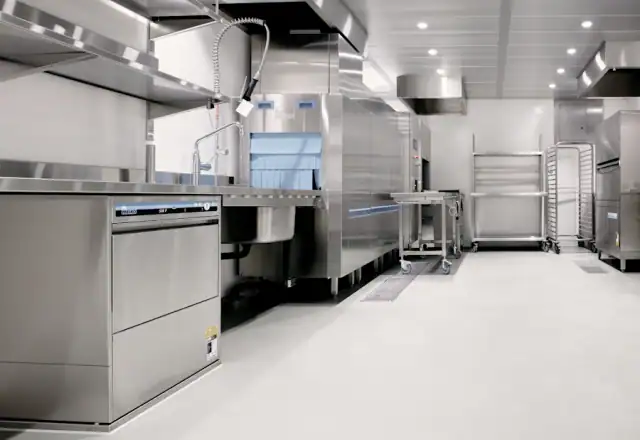
To manage allergens in a shared kitchen, identify the major allergens in your products and in other tenants’ work, assess where cross-contact could occur, separate storage and equipment, clean thoroughly between uses, label accurately and communicate with the operator and other tenants. The nine major U.S. allergens are milk, eggs, fish, shellfish, tree nuts, peanuts, wheat, soybeans and sesame.
Why shared kitchens need allergen controls
Many businesses use the same space, and each may handle different allergens. Traces can move through shared equipment, surfaces, hands and air. For someone with a serious allergy, a tiny amount can cause a reaction.
Every tenant therefore has a duty to understand and control allergens, and operators set rules to help.

Know the major allergens
In the United States the nine major food allergens are milk, eggs, fish, shellfish, tree nuts, peanuts, wheat, soybeans and sesame. Labels must declare them. Other ingredients can also cause reactions, so ask customers what matters to them.
See food allergy for background and check FDA guidance.
Communicating with other tenants and your customers
Tell the operator about the allergens you handle, ask which allergens other tenants use, and agree on schedules and cleaning standards. On labels and menus, state which allergens are in the product and whether there is a risk of cross-contact. Customers with allergies depend on accurate information, so update labels whenever recipes change.
Communicate with the operator and tenants
Tell the operator about your allergen profile and needs, and ask what other tenants handle. Share concerns early. A good kitchen coordinates between tenants and reminds everyone of the rules.
See the kitchen rules.
Assess your risk
List every ingredient in each product and mark allergens. Then look at the kitchen: what other tenants handle, where flour or nut dust could travel and which equipment is shared. Rate risk high, medium or low and decide controls.
| Situation | Typical risk | Control |
|---|---|---|
| Nut products next to nut-free | High | Separate times, equipment and cleaning |
| Flour dust near other foods | Medium | Cover, clean and schedule |
| Shared oven | Medium | Clean and use trays |
| Allergen-free claims | High | Consider private space |
Practical controls that work in a shared kitchen
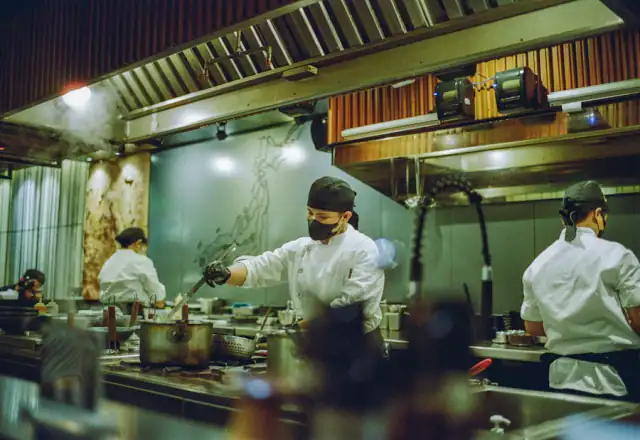
Use dedicated utensils, color-coded tools and separate storage bins for allergen ingredients. Schedule allergen-free production first on a freshly cleaned station. Clean thoroughly between tasks, including shared equipment such as mixers and ovens, and verify cleaning with a documented check. Label every product clearly with its allergens and keep records of the cleaning steps.
Staff training
Train everyone who works in your business on allergen risks, cleaning and labeling. Use short checklists and refresh training regularly. Treat any allergen incident as a learning opportunity and record corrective actions.
Training matters most when the team grows.
Working with suppliers on allergen information
Ingredients can contain allergens that are not obvious. Ask suppliers for specification sheets, and watch for changes in formulation. Keep records of supplier statements and update your allergen matrix when anything changes.
Choose suppliers who provide clear, current information, since your labels depend on it.
Separate storage and equipment
Store allergen ingredients in sealed, labeled containers on separate shelves, below and apart from ready-to-eat items. Use dedicated or color-coded utensils, boards and containers where possible.
Where equipment is shared, plan cleaning steps and verify them.
Cleaning that actually removes allergens
Cleaning means removing residue, not just wiping. Wash with detergent, rinse and sanitize, and pay attention to crevices, handles, seals and floors. Dry cleaning of dust may need vacuuming rather than sweeping.

A worked example: running nut-free production in a shared kitchen
Suppose a baker makes nut-free cookies in a kitchen where another tenant makes nut granola. She books the first slot of the day after the kitchen has been deep cleaned, uses her own labeled bowls and trays, stores ingredients on a separate shelf and wipes down the bench before she starts. She checks supplier statements for each ingredient and keeps cleaning logs. She also tells customers that her products are made in a shared kitchen and what controls she uses.
This approach reduces risk but does not eliminate it, so honest communication matters. If a customer needs a guarantee of zero risk, she directs them to dedicated facilities.
What to do if an allergen incident occurs
If a customer has a reaction, call emergency services first if needed. Then record what product, batch and date were involved, keep samples, tell the operator and your insurer, and follow local reporting rules. Review your controls and fix the cause.
Treat incidents as data. A calm, documented response protects customers and your business.
Allergen audit checklist
Once a quarter, walk the kitchen with a checklist: are allergen ingredients stored low and sealed, are utensils color-coded, do labels match current recipes, are cleaning records complete and does everyone on the team know the allergen rules? Fix gaps immediately and record the date. A short, regular audit protects customers and your reputation.
Scheduling and workflow
Run allergen-free products first on freshly cleaned stations, and allergen products later. Avoid overlapping risky tasks next to allergen-free work. If possible, agree quiet times with the operator.
Good scheduling reduces the chance of cross-contact without extra equipment.
Labeling and records
Labels must declare major allergens clearly. Keep an allergen matrix listing each product and its allergens, and update it when recipes change. Keep cleaning logs. These records show customers and inspectors that you take allergens seriously.
When to choose private space
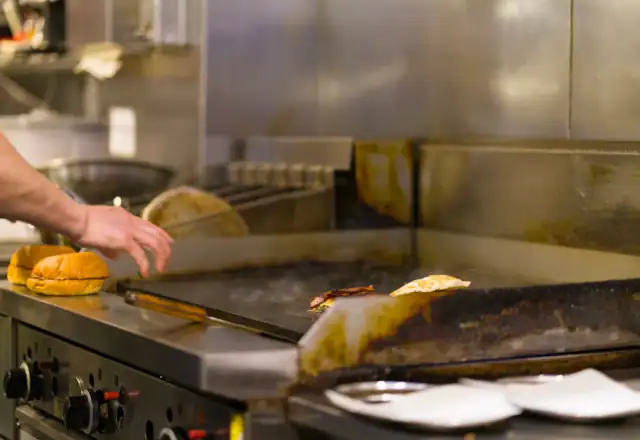
If your products are allergen-free, vegan, kosher or serve vulnerable customers, a private kitchen gives full control. For many products, shared space with strong controls is enough. Decide based on your claims and risk tolerance.
More on choosing and renting a kitchen
This page is part of our choosing and renting a kitchen guide. Follow the pathways below to move up to the overview, compare alongside topics or go deeper into the detail.
Start with the overview
- Kitchen Rental Resource CenterPlain-English guides organized by what you need to do: choose a kitchen, operate safely and…
- Pricing and Rental PlansA clear explanation of what you pay for, what changes the price and how to get a quote…
- How Renting WorksSix clear steps from first inquiry to your first confirmed session, with what to prepare…
Compare alongside
- Moving from One Rental Kitchen to AnotherChanging kitchens does not have to interrupt production. This plan keeps your orders, stock…
- Keeping Ingredients Between Kitchen BookingsGood storage habits save time, cut waste and keep food safe. Learn how to manage stock…
- Your First Day in a Rental KitchenYour first session sets the pattern for everything after it. Use this checklist to start…
- Bringing Your Own Equipment to a Rented KitchenYour own mixer or oven can make a rented kitchen feel like home, but only with approval and…
Go deeper
- Kitchen Rules and HygieneClear standards protect your food, your reputation and the other businesses using the…
- Shared vs Private Kitchen RentalShared kitchens cost less and private kitchens give control. This guide shows how to decide…
- Cleaning vs Sanitizing Kitchen EquipmentCleaning removes dirt; sanitizing reduces germs. You need both, in the right order. Here is…
- Private Kitchen RentalExclusive access to your own licensed kitchen unit, on your schedule, with your equipment…
Frequently asked questions
Straight answers to the questions food businesses ask most about allergen management in a shared kitchen.
Can I make nut-free food in a shared kitchen?
Only with strict controls, and strict claims may need private space.
What are the major allergens?
Milk, eggs, fish, shellfish, tree nuts, peanuts, wheat, soybeans and sesame in the U.S.
How do I clean flour?
Vacuum or damp wipe, wash surfaces and equipment, and avoid spreading dust.
Do I need an allergen matrix?
It is good practice and helps with labels and audits.
Who is responsible?
Every tenant for their products, and the operator for the framework.
What if there is an incident?
Report to the operator, record it and take corrective action.
Put this guide into practice in a real kitchen
Tell us about your food business and the hours you need. We match you with a licensed kitchen and send a written quote.