Guide
Bringing Your Own Equipment to a Rented Kitchen
Your own mixer or oven can make a rented kitchen feel like home, but only with approval and the right checks.
Free to inquire. We reply by email, usually within one business day.
To bring your own equipment to a rented kitchen, get the operator’s written approval first, check that power, gas, ventilation and floor space can support it, make sure it is commercial grade and clean, arrange safe installation and inspection and agree where it will be stored and who is responsible for it. Small items are often easier than large ones.
Why tenants bring their own equipment
Specialty equipment improves results and consistency. A baker may prefer a particular proofer, a sauce brand a specific kettle and a chef a tool they trust. Owning key items also reduces dependence on shared availability.
The kitchen must still be safe and compliant, so there are rules about what can come in and how.

Start with written approval
Ask the operator before you buy or bring anything. Describe the item, its power and size and where you would like it. Get approval in writing, including any conditions.
Never install equipment without consent, because it can breach your agreement and insurance.
Deciding between kitchen equipment and your own
Compare the cost of using the kitchen’s equipment with buying your own. Buy small tools that affect quality and consistency, such as knives, scales, thermometers and special molds, and rely on the operator’s large equipment for ovens, mixers and refrigeration. If you need a specialty machine, ask whether the kitchen can add it or whether you can bring yours with insurance and a written agreement.
Small items versus large equipment
Hand tools, scales, thermometers and small appliances are usually simple to approve. Large items such as ovens, mixers and chillers need much more planning. If you want exclusive control of big equipment, a private kitchen often fits better than a shared station.
Consider whether the benefit justifies the cost and complexity.
Power, gas and ventilation
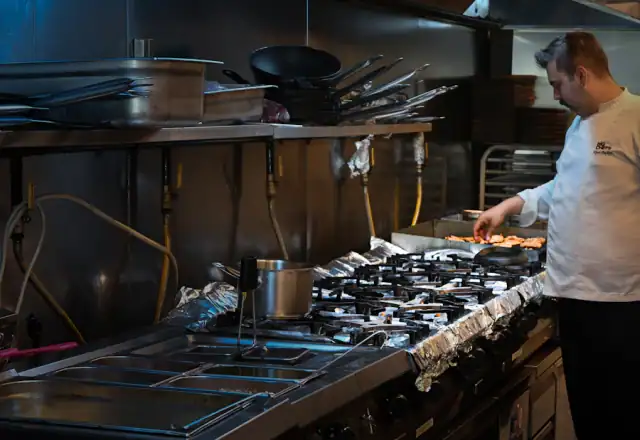
Equipment draws power and may produce heat, steam or fumes. The kitchen’s electrics, gas supply and ventilation must handle it without overloading circuits or breaking rules. Gas equipment must be installed and inspected by qualified people.
Ask whether the circuit is dedicated and whether the hood covers the equipment if it produces grease or steam.
Size, floor space and layout
Measure the footprint, door widths and access routes, and leave clear space around the equipment for cleaning and safe use. A piece that blocks walkways or another tenant’s station will not be approved.
Draw a simple plan and share it with the operator.
Cost-benefit: buy, lease or use the kitchen’s equipment
Before buying, compare the cost and benefit. Buying gives control but ties up cash and needs space and maintenance. Leasing spreads cost but adds commitments. Using the kitchen’s equipment is the cheapest but may limit availability. Calculate how much time the equipment would save and how often you would use it.
A mixer that saves two hours a week may pay for itself in months; a rarely used specialty tool probably will not. Be honest about use.
Removal at the end of your rental
Agree in advance how and when equipment leaves, including disconnection, repair of any marks and cleaning of the space. Leave the area as you found it. Unremoved items can be charged against your deposit.
See kitchen rental deposits explained.
Common problems with tenant equipment
- Equipment that trips circuits or overloads outlets
- Machines too heavy for the floor or too tall for the space
- Items that do not meet food-safety standards
- Poor cleaning that creates cross-contamination
- Lost or damaged items left in shared areas
- Disputes over who may use shared tenant equipment
Most are avoidable with clear agreements about approval, labeling and responsibility.
Food-grade and commercial standards

- Commercial or food-grade materials that are easy to clean
- Safety approvals and ratings for your region
- Guards, interlocks and emergency stops
- Clear manuals and maintenance records
- No domestic appliances that are not suited to commercial use
Domestic appliances often fail quickly under production and may be unsafe, so most kitchens decline them for production use.
Storage and security
Ask where your equipment will live between sessions and how it is secured. Shared kitchens may offer lockable storage or an allocated area. Equipment left out can be moved, damaged or misused, so protect it.
Check your own insurance covers it on site. See security and access.
Installation and inspection
Equipment may need installation by a qualified person, testing and an inspection by the operator or local authority. Ask who arranges and pays. Keep installation certificates and test records.
Schedule installation at a time that does not disrupt other tenants.
Sharing equipment with other tenants
Some tenants share costs for large equipment. If you do, put the arrangement in writing: who owns it, how it is booked, who maintains it and what happens if one party leaves. Tell the operator and get consent. Insurance and liability can become complicated, so be careful.
Often it is simpler to keep ownership clear and let others pay a fee to use your equipment.
Maintenance, cleaning and responsibility
You are responsible for maintaining your equipment, cleaning it after use and reporting faults. Agree how repairs are carried out and who pays if it damages the kitchen. Label it clearly with your business name.
Keep maintenance logs. They matter for safety and inspections.

Common equipment questions to ask the operator
Ask about the age and maintenance schedule of ovens, whether temperatures are checked regularly, how breakdowns are handled and whether you receive a credit when equipment fails during your booking. Ask what small tools the kitchen provides and what you must bring. Knowing this in advance lets you plan packing lists and avoid surprises on your first session.
Maintaining and labeling your own equipment
Label every piece with your business name, clean it after each session and store it in your assigned space. Keep a list with serial numbers and photos for insurance. If the equipment is electrical, ask the operator about inspection requirements and whether your device may draw too much power. Agree on who is responsible for repairs and what happens if something is damaged.
More on choosing and renting a kitchen
This page is part of our choosing and renting a kitchen guide. Follow the pathways below to move up to the overview, compare alongside topics or go deeper into the detail.
Start with the overview
- Kitchen Rental Resource CenterPlain-English guides organized by what you need to do: choose a kitchen, operate safely and…
- Pricing and Rental PlansA clear explanation of what you pay for, what changes the price and how to get a quote…
- How Renting WorksSix clear steps from first inquiry to your first confirmed session, with what to prepare…
Compare alongside
- Keeping Ingredients Between Kitchen BookingsGood storage habits save time, cut waste and keep food safe. Learn how to manage stock…
- Registering a Food Business at a Rented KitchenWhere you register your business, and which address you use, matters when you rent a…
- Allergen Management in a Shared KitchenAllergen safety is a team effort in a shared kitchen. Learn how to assess risk, separate…
- Insurance Questions for Kitchen TenantsInsurance is a condition of renting a kitchen and a protection for your business. Know the…
Go deeper
- Equipment and FacilitiesA practical checklist of the equipment, storage and support facilities that matter when you…
- Private Kitchen RentalExclusive access to your own licensed kitchen unit, on your schedule, with your equipment…
- Kitchen Security and AccessYou need to get in at 4 a.m. and know your stock is safe. Here is how kitchen access and…
- Understanding a Kitchen Rental AgreementA rental agreement sets the rules for your business relationship. Know what each clause…
Frequently asked questions
Straight answers to the questions food businesses ask most about bringing your own equipment to a rented kitchen.
Can I bring a domestic mixer?
Usually not for production. Most kitchens require commercial-grade items.
Who installs my equipment?
A qualified person you arrange, with the operator’s approval.
Is my equipment insured by the kitchen?
Usually not. Check your own policy.
Can I leave equipment between sessions?
Often in allocated storage, with approval.
What if it breaks something?
Your agreement sets responsibility. Report immediately.
Are small tools allowed?
Generally yes. Keep them clean and labeled.
Put this guide into practice in a real kitchen
Tell us about your food business and the hours you need. We match you with a licensed kitchen and send a written quote.