Guide
Keeping Ingredients Between Kitchen Bookings
Good storage habits save time, cut waste and keep food safe. Learn how to manage stock between bookings.
Free to inquire. We reply by email, usually within one business day.
To keep ingredients between kitchen bookings, use your allocated dry, chilled or frozen space, label every item with product, business name and date, store off the floor and apart from allergens and raw foods, rotate first in, first out, track what you hold and follow the kitchen’s time limits. Take home or discard anything past its date.
Why storage discipline matters
In a shared kitchen your stock sits next to other tenants’ food. Poor labeling, mixed-up containers and expired items cause waste, disputes and safety risks. Good habits protect your product and your reputation.
They also save time. A well-organized shelf lets you find what you need in seconds.

Know what space you have
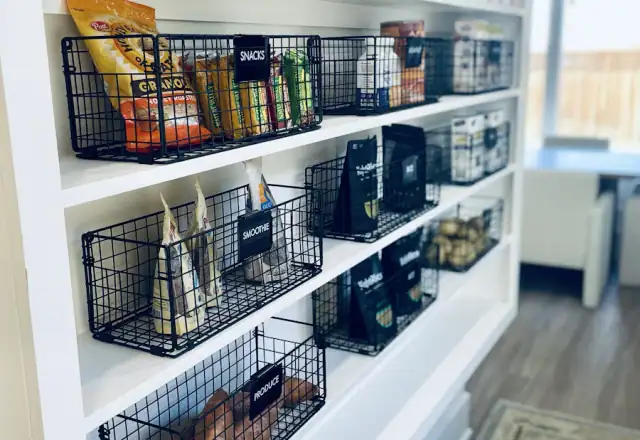
Confirm your allocation: shelves, bins, cooler racks or freezer drawers, plus any limits on time and access. Walk the space and mark your area. Never use another tenant’s space without agreement.
See dry storage, refrigerated storage and freezer storage.
Setting up storage that protects quality and safety
Keep raw ingredients below ready-to-eat items, label every container with name, date and allergen information, and use sealed containers to prevent cross-contamination and pests. Store dry goods off the floor and rotate stock so older items are used first. Keep a simple log of what is in your allotted space, and clear it out regularly so that nothing expires unnoticed.
Handling shared deliveries and group buying
Some tenants combine orders to reduce delivery costs or meet supplier minimums. If you do this, agree who receives, how goods are split and how costs are shared. Label items clearly so they go to the right shelf, and keep invoices for each business.
Tell the operator about the arrangement. It can save everyone money if it is organized.
Time limits and what happens to forgotten stock
Kitchens limit how long you can store items and how much. Stock left beyond limits, or when your plan ends, may be discarded or charged. Ask about notice before disposal and collect items promptly.
Check your agreement for the process.
Planning storage by product type
| Product type | Storage notes |
|---|---|
| Flour and dry goods | Sealed containers, off the floor, away from moisture |
| Fresh produce | Cool storage, check daily, use first |
| Dairy and eggs | Refrigerated at 41°F or below, dated |
| Raw proteins | Bottom shelf, covered, separate from ready-to-eat |
| Cooked product | Cooled quickly, chilled, labeled with dates |
| Frozen items | Wrapped airtight, labeled, rotated |
Match each product to the right zone and set limits for how long it can stay.
Collecting stock and leaving the kitchen
When your rental ends, collect everything, clean your shelves and return keys. Check that nothing is left behind. Take photos of the empty space for your records.
Plan collection well before the end date.
Label everything
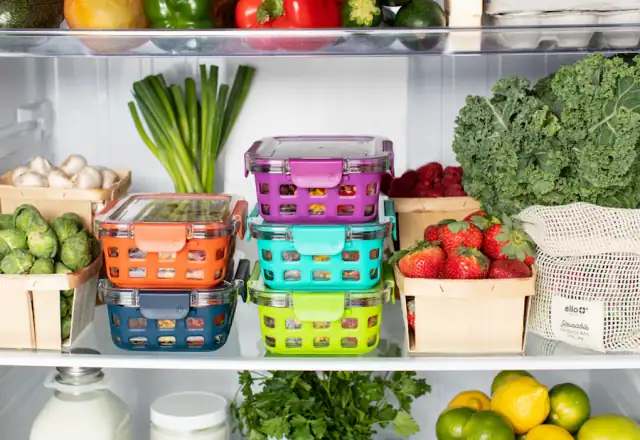
- Product name or ingredient
- Your business name
- Date received, opened or made
- Use-by date where relevant
- Allergen information for finished product
Use durable, waterproof labels and write clearly. Unlabeled items may be discarded by the operator.
Reducing waste through ordering and prep
Order in line with your production plan and the shelf life of each ingredient. Prepare only what you need and use trimmings in stocks and sauces. Track what gets thrown away and why, and adjust orders accordingly.
Less waste lowers cost and reduces the amount of space you need, which can also lower your storage fee.
Review your waste log monthly with your team.
Emergencies: power cuts and equipment failure
If a cooler fails, act quickly. Check temperatures, move items to working storage if possible and record what you did. Discard anything that has been above 41°F for too long under local guidance. Tell the operator at once.
Know where emergency contacts and backup storage are before you need them.
A simple storage routine
- Arrive and check your shelf and dates
- Remove expired or doubtful items
- Use older stock first
- Label and store new items
- Update your log
- Photograph the shelf before you leave
Store safely and separately
Keep food off the floor, covered and in sealed containers. In coolers, store ready-to-eat foods above raw foods and keep allergens separate and clearly marked. Do not stack in ways that block airflow.
See cross-contamination and the kitchen rules.
Rotate stock with first in, first out
Use older items first. Place new stock behind or below older stock and check dates every session. Discard anything past its date or showing signs of spoilage.
Rotation reduces waste and protects quality. See ingredient inventory and stock rotation.
What to do when storage is tight
Reduce the number of ingredients, buy smaller quantities more often, schedule deliveries just before a session and use stackable containers. Consider moving packaging and equipment to a separate storage rental, and ask other tenants whether they share a supplier delivery to reduce volume. A short audit every month usually frees up space.
Planning storage around your booking pattern
If you cook twice a week, you need less cold storage than someone who prepares daily, but you may need more dry storage for bulk purchases. Ask the operator how storage is allocated, whether it is included with booking or charged separately, and what happens if you exceed your space. Match the storage plan to the booking pattern to avoid paying for space you do not use.
Keep a simple stock log
Record what you hold, quantities and dates in a notebook or spreadsheet. A quick check at the start and end of each session tells you what to reorder and what to use first.
Photograph your shelf after each session as a visual record.
Replenishing and deliveries
Plan deliveries so that they arrive when someone can receive them and put them away promptly. Chilled and frozen items should go straight into storage. Avoid overstocking, which crowds shelves and risks waste.
More on choosing and renting a kitchen
This page is part of our choosing and renting a kitchen guide. Follow the pathways below to move up to the overview, compare alongside topics or go deeper into the detail.
Start with the overview
- Kitchen Rental Resource CenterPlain-English guides organized by what you need to do: choose a kitchen, operate safely and…
- Pricing and Rental PlansA clear explanation of what you pay for, what changes the price and how to get a quote…
- How Renting WorksSix clear steps from first inquiry to your first confirmed session, with what to prepare…
Compare alongside
- Allergen Management in a Shared KitchenAllergen safety is a team effort in a shared kitchen. Learn how to assess risk, separate…
- Bringing Your Own Equipment to a Rented KitchenYour own mixer or oven can make a rented kitchen feel like home, but only with approval and…
- Moving from One Rental Kitchen to AnotherChanging kitchens does not have to interrupt production. This plan keeps your orders, stock…
- Registering a Food Business at a Rented KitchenWhere you register your business, and which address you use, matters when you rent a…
Go deeper
- Dry Ingredient and Packaging StorageWhat to know about dry storage in a rented kitchen: sizes, access, labeling, security, pest…
- Refrigerated StorageHow chilled storage works in a rented kitchen: capacity, allocation, temperature…
- Ingredient Inventory and Stock RotationKnowing what you have, and using the oldest first, saves money and keeps food safe. Here is…
- Receiving Supplier Deliveries at a Shared KitchenDeliveries are the first control point for food safety. Learn how to receive, check and…
Frequently asked questions
Straight answers to the questions food businesses ask most about keeping ingredients between bookings.
How long can I store ingredients?
It depends on the kitchen’s limits and the food’s shelf life. Ask.
What if my items are unlabeled?
They may be discarded. Always label.
Can I store allergens near others?
Only with clear labeling and separation.
Can someone else use my shelf?
No. Allocated space is yours.
What happens if I forget stock?
It may be discarded or charged after notice.
Should I keep a log?
Yes. It prevents waste and helps with traceability.
Put this guide into practice in a real kitchen
Tell us about your food business and the hours you need. We match you with a licensed kitchen and send a written quote.