Guide
Receiving Supplier Deliveries at a Shared Kitchen
Deliveries are the first control point for food safety. Learn how to receive, check and store goods in a shared kitchen.
Free to inquire. We reply by email, usually within one business day.
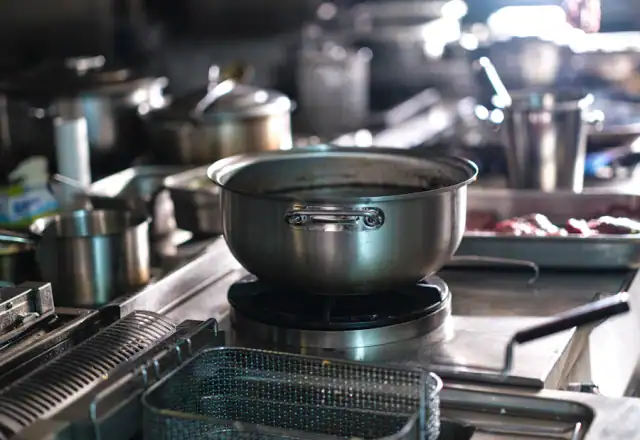
To receive supplier deliveries at a shared kitchen, agree delivery windows with the operator and supplier, make sure someone is present to receive, check temperatures, dates, packaging and quantities against the order, reject anything unsafe, label items with your business name and move chilled and frozen goods into storage immediately. Keep records of every delivery.
Why receiving matters
Receiving is where food enters your control. Anything that arrives unsafe, damaged or wrong becomes your problem if you accept it. A careful check at the door protects your customers, your costs and your relationship with suppliers. In a shared kitchen, receiving also has to work around other tenants and the operator.
A clear process takes minutes but prevents expensive mistakes. The steps below work for a single van delivery or a pallet of goods.
Share the process with every person who might receive for you.

Agree the plan with operator and supplier
Tell your suppliers the delivery address, access instructions, hours and a contact number. Ask the operator about delivery windows, parking, loading access and whether staff can receive on your behalf. Confirm who is responsible for goods that arrive when you are not on site.
- Delivery days and time windows
- Where vehicles can park and unload
- Who receives and signs for goods
- Where goods go on arrival
- How missed deliveries are handled
See loading and deliveries for what to ask the kitchen.
Working with suppliers on quality and timing
Share your requirements with suppliers: delivery times, temperature limits, labeling and packaging. Reward reliable suppliers with steady orders and give feedback on problems. If a supplier repeatedly fails, find another. Good supplier relationships reduce risk and save time.
Keep contact details and order histories in one place.
Coordinating deliveries in a shared building
Tell your suppliers the correct address, access instructions and delivery hours, and ask the operator whether staff can receive goods or whether you must be present. Label deliveries with your business name so that they reach the right shelf. Keep walkways clear, and do not leave deliveries unattended in shared areas.
Check the delivery against the order
Compare items, quantities and prices with your order and delivery note. Check that packaging is intact and clean, dates are acceptable and products match what you ordered. Note any shortages or substitutions and tell the supplier straight away.
Do not sign for goods you have not checked. Take photographs of problems and keep the paperwork.
Ask the driver to wait while you check, if you can.
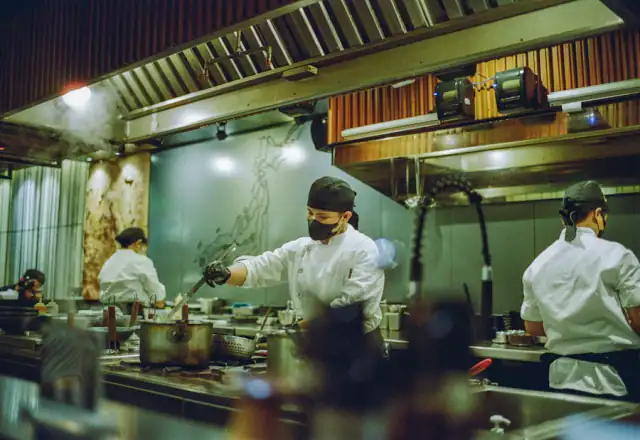
A receiving checklist
- Check the vehicle and driver for cleanliness and hygiene
- Check delivery against the order and note differences
- Probe chilled and frozen goods and record temperatures
- Inspect packaging, dates and signs of pests
- Reject anything unsafe and photograph it
- Label and store goods in the right place
- Update the stock log and file paperwork
Keep the checklist near the delivery door.
Check temperatures and condition
Use a clean probe thermometer to check chilled goods at or below 41°F and frozen goods hard and at or below 0°F. Look for signs of thawing, damaged packaging, off smells and pests. Reject anything outside safe limits.
Record the temperature of key items at each delivery. This is a basic control that inspectors and customers look for.
Reject unsafe goods properly
If goods fail checks, refuse them or note the problem clearly on the delivery note, photograph them and tell the supplier. Do not accept and plan to fix it later. Rejecting at the door is the cleanest way to avoid risk and to get a refund or replacement.
Keep a rejection log with date, product, reason and supplier response.
A pattern of rejections suggests a supplier problem you should raise.
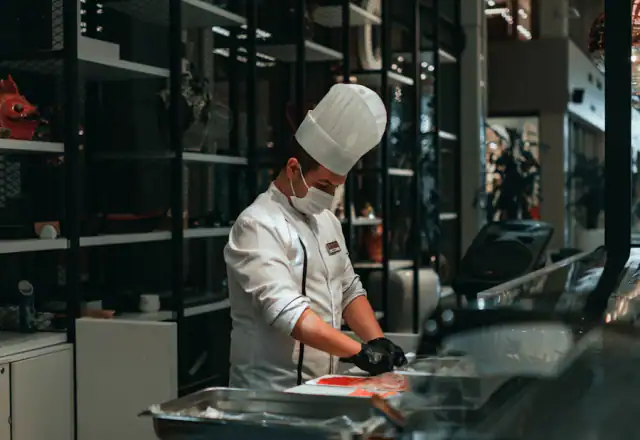
Training staff to receive properly
Anyone who may receive goods needs training: how to use a thermometer, what to reject, where to store and what to record. Practice with a mock delivery. Give staff authority to refuse deliveries that fail checks. Review mistakes with the team and adjust the process.
Well-trained receivers catch problems before they cost you money.
Label and put away quickly
Label each item with your business name and date received, and move chilled and frozen goods into storage immediately, before dry goods. Store raw foods low and ready-to-eat high, and keep allergens separate. Break down boxes and remove packaging that can carry pests.
Aim to have chilled goods in the cooler within minutes of delivery. See keeping ingredients between kitchen bookings.
Keep walkways clear while you move goods.
Delivery records and review
Keep a simple log of each delivery with supplier, date, temperature, condition and who received. Review it monthly to spot patterns in lateness or quality and decide whether to change suppliers. File the paperwork with your other records.
Good records support traceability, costing and audits. See ingredient inventory and stock rotation.
Build a receiving routine
Check each delivery against the order for items, quantities and prices, inspect temperatures with a probe thermometer, look for damage, pests, off smells or broken seals, and check use-by dates. Put cold items away first. Record the supplier, date, batch codes and temperatures in a simple log, and photograph problems before you sign.
Working with suppliers when problems occur
Reject deliveries that fail your checks, note the reason on the delivery slip and notify the supplier immediately. Ask for credit or replacement in writing. Keep a list of reliable suppliers and agree on delivery windows that match your kitchen hours. Clear expectations make problems less frequent and easier to resolve.
Ownership, shared deliveries and mix-ups
In a shared kitchen, deliveries for several businesses may arrive on the same day. Ask suppliers to label every item clearly with your business name. If you share orders with another tenant, agree who receives and splits them. Tell the operator about unusual deliveries.
Keep your own records so that responsibility is clear if something goes missing.
More on running a rented kitchen
This page is part of our running a rented kitchen guide. Follow the pathways below to move up to the overview, compare alongside topics or go deeper into the detail.
Start with the overview
- Kitchen Rental Resource CenterPlain-English guides organized by what you need to do: choose a kitchen, operate safely and…
- Pricing and Rental PlansA clear explanation of what you pay for, what changes the price and how to get a quote…
- How Renting WorksSix clear steps from first inquiry to your first confirmed session, with what to prepare…
Compare alongside
- Planning Safe Cooling of Prepared FoodCooling is where large batches most often fail food safety. Learn how to plan capacity and…
- Ingredient Inventory and Stock RotationKnowing what you have, and using the oldest first, saves money and keeps food safe. Here is…
- Setting Up a Meal Prep Packing StationA well-laid packing station can double your output. Learn how to design one that is fast…
- Planning Refrigeration CapacityCold space is limited and expensive. Learn to size it from your real flow of ingredients…
Go deeper
- Goods Receiving and Loading AccessIngredients in, finished product out: loading access is as important as any oven. Know what…
- Food Temperature Records for Kitchen TenantsRecords prove that food was kept safe. Learn what to log, how often and how to make it a…
- Keeping Ingredients Between Kitchen BookingsGood storage habits save time, cut waste and keep food safe. Learn how to manage stock…
- Refrigerated StorageHow chilled storage works in a rented kitchen: capacity, allocation, temperature…
Frequently asked questions
Straight answers to the questions food businesses ask most about receiving supplier deliveries.
Can the kitchen receive for me?
Only if the operator agrees. Confirm in writing.
What temperature must chilled goods be?
At or below 41°F.
What if I cannot be there?
Arrange with the operator or reschedule the delivery.
Should I refuse a damaged delivery?
Yes, or note it clearly on the paperwork.
How do I keep records?
A simple log with temperatures and rejections.
What if two tenants share a supplier?
Label clearly and agree who receives.
Put this guide into practice in a real kitchen
Tell us about your food business and the hours you need. We match you with a licensed kitchen and send a written quote.