Facilities and support
Refrigerated Storage for Commercial Kitchen Tenants
How chilled storage works in a rented kitchen: capacity, allocation, temperature monitoring, labeling and the rules that keep food safe.
Free to inquire. We reply by email, usually within one business day.
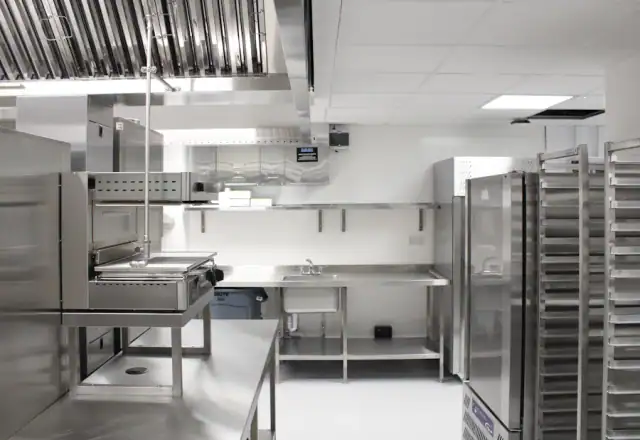
Refrigerated storage in a commercial kitchen means walk-in coolers or reach-in refrigerators kept at or below 41°F for ingredients and prepared food. Ask how much space you get, how it is allocated and monitored, who can access it and how raw and ready-to-eat foods are separated, and keep everything labeled, dated and covered.
Why chilled storage is essential
Most food businesses depend on refrigeration. Fresh ingredients, dairy, meat, cooked food, sauces and prepared meals all need cold storage to stay safe. Between 41°F and 135°F, bacteria can multiply quickly. A reliable cooler keeps food out of that range and gives you the flexibility to prepare in advance and store product between sessions.
In a shared kitchen, the cooler is also a shared resource. How it is organized, monitored and cleaned determines whether it protects your food or becomes a risk. When you tour a kitchen, check the cooler as carefully as the oven.
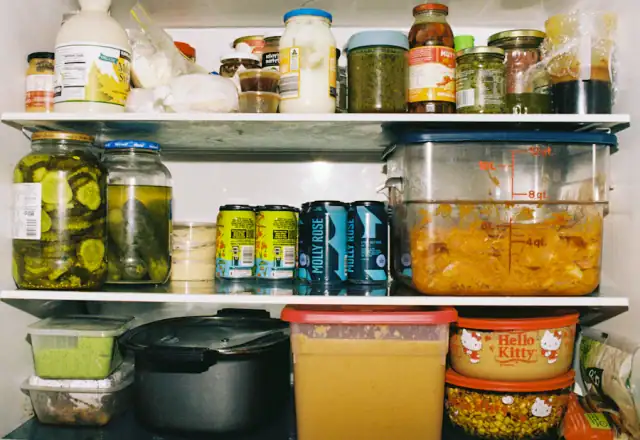
Types of refrigerated storage
Operators provide refrigeration in several forms. A walk-in cooler is a room-sized unit that holds a lot of product and can be shared or partitioned. Reach-in refrigerators are smaller and may be dedicated to a tenant. Under-counter units and prep fridges keep ingredients near the work area.
- Walk-in coolerlarge capacity, usually shared by shelf or rack
- Reach-in refrigeratorsmaller, sometimes allocated to one tenant
- Prep table refrigerationkeeps ingredients at hand during production
- Blast chillerrapidly cools cooked food to safe temperatures
- Dedicated unita refrigerator reserved for a single tenant
Temperature control and monitoring
Food should be stored at or below 41°F. Good kitchens check temperatures regularly, keep calibrated thermometers inside coolers, and use alarms or digital logging to catch problems quickly. Ask how often temperatures are checked and who is responsible if a cooler fails.
You should also keep your own thermometer in your area and check it each session. Do not overfill shelves, because air needs to circulate. Allow hot food to cool before storing it in large quantities, and use shallow containers to speed cooling. See safe cooling of prepared food.
Cleaning and maintaining your cooler space
A clean cooler protects food and avoids inspection problems. Wipe shelves and containers regularly, clean up spills immediately and remove expired or unlabeled items. Keep door seals clean and check that doors close fully so cold air does not escape.
Never store food directly on the floor of a walk-in, and keep boxes off the shelves where possible, because cardboard can harbor pests and moisture. Report unusual noises, ice build-up or temperature drift promptly. Early reporting often prevents breakdowns that would affect every tenant.
Allocation, labeling and rotation
Shared coolers work through allocation. You may receive a shelf, a rack or a section of a shelf, and you must keep your product within it. Label every container with the product, your business name and the date, and use clear labels that stay on when wet.
Rotate stock using first in, first out and remove items that are past their date. Keep a record of what you hold and when it must be used. Regularly clean your shelves and wipe spills straight away. For more, read ingredient inventory and stock rotation.
What to ask on your tour about the cooler
- What is the temperature range, and how is it logged and checked?
- How is cooler space allocated, and can I reserve it at busy times?
- Where do raw and ready-to-eat foods go, and who checks separation?
- What happens if the cooler fails overnight or at a weekend?
- Are there shelves or racks for tubs, trays and cases?
- How is the cooler cleaned, and how often is it inspected?
The way staff answer these questions tells you how seriously a kitchen takes food safety. Look inside the cooler too: it should be orderly, clean and free of unlabeled items. A tidy cooler is one of the best signs of a well-run kitchen.
Separating raw and ready-to-eat foods
Cross-contamination is the biggest risk in shared refrigeration. Store ready-to-eat foods above raw foods so juices cannot drip down. Within raw foods, store items by cooking temperature, with those that need the highest cooking temperature, such as poultry, on the bottom.
- Ready-to-eat and cooked foods on top shelves
- Fish and whole cuts of meat below
- Ground meat and eggs below that
- Poultry on the bottom shelf
- All foods covered and labeled
Keep allergens clearly marked and stored apart. The kitchen rules explain the standards for shared coolers.
Capacity planning for your business
Estimate how much cold space you need before you ask. Count the containers of ingredients you hold at peak, the batches of finished product waiting for pickup and any items you prepare ahead. Convert them into shelves or rack positions, and add a buffer for deliveries and busy periods.
Remember that capacity is also about timing. A cooler that is empty on Monday morning may be full on Friday afternoon. Ask when it is busiest and whether you can reserve space at those times. Our guide to planning refrigeration capacity gives a simple method.
Access, security and power failures
Check who can open the cooler and when. Some kitchens keep walk-ins open to all inducted tenants, while others offer locked units. If you store valuable product, ask about lockable options. Confirm how deliveries are received and put away so product never waits on a loading dock.
Ask what happens during a power failure. A good operator has a plan, such as backup power, alarm systems and procedures for moving food or discarding it safely. Know whose responsibility lost stock is, and check your own insurance for spoilage cover.
Costs and how to get started
Refrigerated storage is typically charged by the shelf, rack or footprint, in addition to your kitchen rate. It is more expensive than dry storage because of the energy and equipment required, so plan the minimum you need. Compare quotes on the same assumptions about space.
Use the pricing page to understand how storage fits into costs, and request a quote based on your needs. Book a tour to see how the coolers are organized and maintained.
More on equipment and facilities
This page is part of our equipment and facilities guide. Follow the pathways below to move up to the overview, compare alongside topics or go deeper into the detail.
Start with the overview
- Equipment and FacilitiesA practical checklist of the equipment, storage and support facilities that matter when you…
- Pricing and Rental PlansA clear explanation of what you pay for, what changes the price and how to get a quote…
- How Renting WorksSix clear steps from first inquiry to your first confirmed session, with what to prepare…
Compare alongside
- Freezer StorageHow freezer storage works in a rented kitchen: capacity, allocation, access, temperature…
- Dry Ingredient and Packaging StorageWhat to know about dry storage in a rented kitchen: sizes, access, labeling, security, pest…
- Ovens and Baking EquipmentA baker’s guide to ovens and baking equipment in a rented kitchen: oven types, tray sizes…
- Workspace for Food Business OwnersRunning a food business is not only cooking. Here is what to ask about desks, Wi-Fi and…
Go deeper
- Meal Prep Kitchen RentalHow meal prep and meal delivery businesses use a rented commercial kitchen: portioning…
- Planning Refrigeration CapacityCold space is limited and expensive. Learn to size it from your real flow of ingredients…
- Request a Rental QuoteTell us about your production and get a clear, written quote built around your hours…
Frequently asked questions
Straight answers to the questions food businesses ask most about refrigerated storage.
What temperature should a commercial refrigerator be?
At or below 41°F. Use a calibrated thermometer and check it regularly.
Can I store prepared food overnight?
Often yes in allocated, labeled space, if cooled properly and stored at or below 41°F. Ask about time limits.
How is shared fridge space allocated?
Typically by shelf, rack or section, with labeling rules. Ask how it works at your kitchen.
What if the cooler breaks down?
Ask about alarms, backup plans and responsibility for spoiled stock, and check your own insurance.
Can I get a dedicated refrigerator?
Sometimes, for an additional fee. Ask about reserved units.
How do I stop cross-contamination in the cooler?
Cover and label all food, store ready-to-eat above raw, and keep allergens separate.
How much cooler space do most small businesses need?
Many small businesses start with one or two shelves and add more as they grow. Count your containers at peak to estimate.
See the kitchen and equipment in person
Tell us what you cook and which equipment matters. We confirm a viewing time by email.