
Who uses the kitchen
Pop-Up Kitchen Rental for Temporary Restaurants and Food Concepts
Short-term kitchen space for pop-up restaurants and menu trials, with advice on service logistics, permits and what a rented kitchen can and cannot support.
Free to inquire. We reply by email, usually within one business day.
Pop-up kitchen rental gives temporary restaurants and food concepts licensed space to prepare menus, store ingredients and plan service without a long lease. Most pop-ups use a rented kitchen for preparation and serve elsewhere, such as a bar, gallery or event space. Whether guests can dine in the kitchen itself depends on the operator and local permits.
What a pop-up kitchen rental is
A pop-up restaurant is a temporary food concept that appears for a night, a weekend or a season. It might take over a bar, a gallery, a courtyard or a retail space, and it may build an audience before the owners decide to open permanently. The challenge is that these venues often lack a proper kitchen, so the food must be prepared somewhere licensed.
Renting a commercial kitchen solves that. You get licensed space and professional equipment for the days you need, without a long lease or major fit-out. Most pop-ups prepare most of the menu in the rented kitchen, transport it and finish it at the venue, which keeps on-site cooking light and safe.
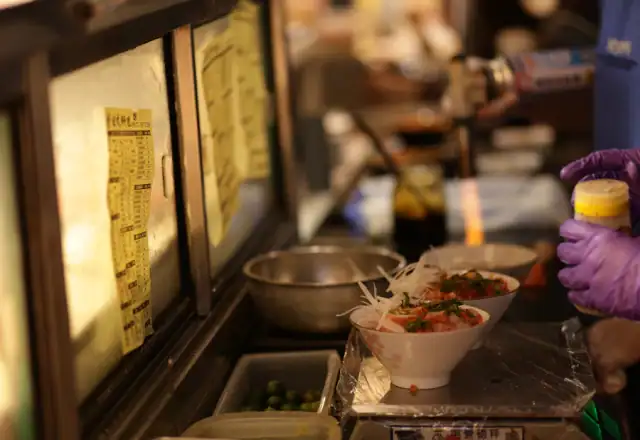
Service logistics: from kitchen to venue
Moving food between kitchen and venue is the heart of pop-up operations. Plan transport with insulated carriers, ice packs or heated boxes, and pack in the order you will unpack. Keep cold food at or below 41°F and hot food at or above 135°F, and check temperatures at loading and on arrival.
Check what the venue provides: power, water, refrigeration, handwashing and waste facilities. If the venue has no handwashing station or power, you may need to bring portable equipment. A site visit before the event avoids discovering gaps on the day.

Can guests dine in the rented kitchen?
Usually not. Commercial kitchens are licensed for food preparation, not for public dining, and bringing paying guests into the cooking area has safety, insurance and permit implications. Some operators offer events or chef’s tables in designated areas, but it depends on the facility and your permits.
If you want a dining element, discuss it with us in advance. See kitchen hire for live cooking events for what is possible. Otherwise, treat the rented kitchen as your preparation base and serve at a licensed venue.
Permits and licensing for pop-ups
Pop-ups often need temporary event permits or food service licenses in addition to the kitchen’s own license. Requirements vary widely by city and event type, and some venues, such as bars, have their own rules about outside food. Check with your local health department well before your date because approvals can take time.
You will also need insurance, and the venue may ask for proof. Collect the documents early and share them with us during onboarding. The rental requirements list what we ask for.

Budget and cost control
Pop-ups run on tight budgets. Include kitchen hire, ingredients, packaging, transport, staffing, venue fees, permits, insurance and marketing. Build a break-even estimate that shows how many covers you need to sell to cover costs, and set a price per cover that leaves a margin.
| Cost | Why it matters |
|---|---|
| Kitchen hire | Prep and storage days before and during the run |
| Ingredients and packaging | The largest variable cost |
| Staffing | Cooks, servers and helpers for the run |
| Venue and equipment | Hire fees, power, tables and serving ware |
| Permits and insurance | Mandatory and time-sensitive |
Choosing a rental format
A single-night pop-up may only need hourly rental for a few prep sessions. A weekend run or a residency of several weeks suits short-term kitchen rental, which gives you fixed dates and storage. If you plan to run the pop-up repeatedly, a shared membership can lower your costs.
Whatever you choose, book early. Pop-up dates are often fixed by the venue, and kitchens fill quickly around holidays and festivals. Request a quote with your dates, menu and guest numbers.

More on who uses a rented kitchen
This page is part of our who uses a rented kitchen guide. Follow the pathways below to move up to the overview, compare alongside topics or go deeper into the detail.
Start with the overview
- Commercial Kitchen RentalEverything you need to choose between shared, private, hourly, ghost and production…
- Pricing and Rental PlansA clear explanation of what you pay for, what changes the price and how to get a quote…
- How Renting WorksSix clear steps from first inquiry to your first confirmed session, with what to prepare…
Compare alongside
- Kitchen Rental for Personal ChefsFlexible commercial kitchen time for personal and private chefs who prepare client meals…
- Kitchen Rental for Street Food VendorsPrep space, portable-kit storage and early-morning access for street food vendors working…
- Kitchen Rental for ChocolatiersWhat chocolatiers need from a rented kitchen: temperature control, tempering equipment…
- Kitchen Rental for Food TrucksHow food truck operators use a commercial kitchen as a commissary base: prep, storage…
Go deeper
- Short-Term Kitchen RentalFixed-date kitchen access for projects, trials, seasonal peaks and backup capacity, without…
- Kitchen Hire for Live Cooking EventsA professional kitchen for demonstrations and live food events, with the space, layout and…
- Hourly Kitchen RentalBook professional kitchen time by the hour for trials, events and irregular production, and…
- Testing a Food Business Idea Before a Long LeaseA cheap test teaches you more than a big plan. Here is how to validate demand before you…
Frequently asked questions
Straight answers to the questions food businesses ask most about pop-up kitchen rental.
Can I run a pop-up restaurant from a rented commercial kitchen?
You can prepare the food there, but serving guests usually takes place at a separate licensed venue unless the operator and your permits allow dining.
How long can I rent a kitchen for a pop-up?
From a few hours to several months. Short-term rental is designed for fixed-date projects.
Do I need a permit for a one-night pop-up?
Often yes, such as a temporary event or food service permit. Check with your local health department.
Can I store equipment between pop-up dates?
Sometimes. Ask about storage for equipment and supplies if you run recurring pop-ups.
How do I transport food safely to the venue?
Use insulated carriers, keep cold food at or below 41°F and hot food at or above 135°F, and check temperatures with a probe thermometer.
Can I test a menu before the pop-up?
Yes. A trial session in the kitchen is a good way to check timing, yields and cost.
What if my pop-up gets extended?
Ask about extension terms when you book. Availability varies, so request extra dates early if you think the run may continue.
Get matched with a kitchen for your business
Share what you make and how often you cook. We check real kitchens and reply with options and prices.