Who uses the kitchen
Kitchen Rental for Street Food Vendors
Prep space, portable-kit storage and early-morning access for street food vendors working markets, festivals and events.
Free to inquire. We reply by email, usually within one business day.
Street food vendors rent commercial kitchens to prepare food off-site, store portable stalls, carts and equipment and meet health rules for markets and events. Hourly or shared kitchen rental suits vendors who trade a few days a week, with early-morning access and chilled storage for ingredients and prepared food.
Why street food vendors rent a commercial kitchen
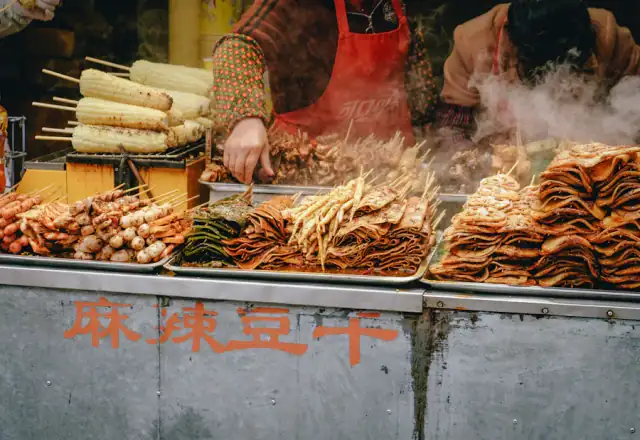
Street food vending looks simple but depends on careful preparation. Most of the cooking, chopping and sauce making is done before the stall opens, and local rules often require that preparation take place in a licensed kitchen rather than at home. Renting a commercial kitchen gives vendors a compliant base, proper refrigeration and space to prepare enough food for a busy day.
It also makes trading more reliable. Early access, enough chilled storage and a place to keep equipment between events mean you can say yes to more markets and festivals without running out of space or breaking the rules.

Early-morning access and market schedules
Markets and events start early, and vendors often need to be set up well before opening. That means collecting prepared food and equipment at dawn or earlier. Check that the kitchen offers early or 24-hour access, a safe place to park and load and enough time to pack the vehicle without waiting for others.
Plan prep around your trading calendar. Peak weekends may need prep the day before, so book storage as well as kitchen time. Build in a buffer for unforeseen delays, because late arrival at a market can lose your pitch or your best selling hours.
Prep and menu planning
The best street food menus are tight. A focused list of dishes that share ingredients lets you prepare in bulk, keep waste low and serve quickly. Prepare sauces, marinades and bases in batches in the commercial kitchen, then finish and serve at the stall.
- Choose dishes that hold safely and finish fast
- Prep in bulk and portion into labeled containers
- Pre-measure ingredients for each service day
- Use insulated carriers for hot and cold food
- Pack with a checklist so nothing is forgotten
Our guide on designing a menu for efficient production goes deeper.
Storage for stalls, carts and equipment
Vendors need somewhere to keep their gear between events: gazebos, tables, gas burners, griddles, coolers and signage. Ask whether the kitchen offers lockable storage, racking or space for a cart or trailer. Storage can be as valuable as the kitchen itself for vendors who do not have space at home.
Keep gas cylinders and flammable items according to the operator’s safety rules, and never store them in food areas. Label and organize your storage so you can load quickly in the morning. See dry storage and loading and deliveries.
Seasonality and building a trading calendar
Street food income follows the calendar. Summer festivals, holiday markets and local events bring peaks, while winter and bad weather can bring lulls. Plan your kitchen time around your calendar rather than paying for a fixed plan year-round. Hourly rental lets you scale up in busy months and down in quiet ones.
Build a trading calendar a few months ahead. Note each event, its expected footfall, the stock you will need and the prep days to book. Review results after each event and adjust. Over a season you will learn which events pay off and which do not, and you can focus your kitchen hours on the best ones.
Common mistakes street food vendors make
- Preparing food in an unlicensed space, which risks fines and closure
- Under-packing, which leads to stock-outs on the busiest days
- Skipping temperature checks during transport
- Booking too little prep time before big events
- Failing to label allergens on menus and boards
- Leaving equipment unsecured or poorly stored
Avoiding these keeps your stall compliant, profitable and trusted by customers and organizers alike.
Permits, event rules and food safety
Selling at markets and events usually requires a vendor permit, a food handler card and sometimes a temporary event license. Organizers may also ask for proof of insurance and inspection of your stall. Rules vary by city and event, so confirm what each one requires.
Food safety rules still apply on the street. Keep cold food at or below 41°F and hot food at or above 135°F, protect food from contamination, provide handwashing at your stall and keep thermometers in use. Learn the rental requirements and the standards in our kitchen rules.
Transport and temperature control
Moving food from kitchen to stall is a risk point. Use insulated containers with ice packs for cold items and heated carriers for hot ones, and check temperatures with a probe thermometer before and after the journey. Pack raw and ready-to-eat foods separately and keep them off the floor of the vehicle.
Keep a simple temperature log for each trading day. It protects you in case of an inspection and helps you spot problems before they affect customers. A short trip in a hot vehicle can undo hours of good practice.
Costs and choosing a plan
Vendors who trade a few days a week often start with hourly rental, which keeps costs aligned with trading days. If you prep on a regular schedule and want storage and early access, a shared membership usually costs less per hour.
Add the cost of storage and any parking or loading charges to your estimate. Compare what you spend per trading day, then adjust your menu or schedule if the numbers do not work. See the pricing page and request a quote.
More on who uses a rented kitchen
This page is part of our who uses a rented kitchen guide. Follow the pathways below to move up to the overview, compare alongside topics or go deeper into the detail.
Start with the overview
- Commercial Kitchen RentalEverything you need to choose between shared, private, hourly, ghost and production…
- Pricing and Rental PlansA clear explanation of what you pay for, what changes the price and how to get a quote…
- How Renting WorksSix clear steps from first inquiry to your first confirmed session, with what to prepare…
Compare alongside
- Pop-Up Kitchen RentalShort-term kitchen space for pop-up restaurants and menu trials, with advice on service…
- Kitchen Rental for Food TrucksHow food truck operators use a commercial kitchen as a commissary base: prep, storage…
- Kitchen Rental for Personal ChefsFlexible commercial kitchen time for personal and private chefs who prepare client meals…
- Meal Prep Kitchen RentalHow meal prep and meal delivery businesses use a rented commercial kitchen: portioning…
Go deeper
- Hourly Kitchen RentalBook professional kitchen time by the hour for trials, events and irregular production, and…
- Kitchen Rental for Market VendorsHow farmers market and craft market vendors use a rented kitchen to produce packaged goods…
- Shared Kitchen RentalAllocated workstations, shared professional equipment and clear scheduling, the most…
- Designing a Menu for Efficient ProductionA smart menu is shorter, shares ingredients and fits your equipment. It saves hours and…
Frequently asked questions
Straight answers to the questions food businesses ask most about kitchen rental for street food vendors.
Can I prep street food at home?
In most places selling food prepared at home is restricted. A licensed commercial kitchen is usually required.
Can I store my stall and equipment at the kitchen?
Some kitchens offer storage or space for carts and trailers. Ask about size, security and cost.
Do I need insurance to trade at markets?
Most markets and events require liability insurance. The kitchen will also require it.
Can I collect my food at 4 a.m.?
Many kitchens offer early access. Our kitchens are open 24 hours, subject to your plan and agreement.
How do I keep food safe in transit?
Use insulated carriers, keep cold food at or below 41°F and hot food at or above 135°F, and check with a probe thermometer.
How much kitchen time will I need?
Plan a prep session before each trading day. Most vendors need two to six hours depending on the menu.
Do I need to keep records of food temperatures?
It is good practice and often required. A simple log of cold and hot holding temperatures helps you pass inspections and spot problems early.
Get matched with a kitchen for your business
Share what you make and how often you cook. We check real kitchens and reply with options and prices.