Facilities and support
Dry Ingredient and Packaging Storage in a Rented Kitchen
What to know about dry storage in a rented kitchen: sizes, access, labeling, security, pest control and how storage is charged.
Free to inquire. We reply by email, usually within one business day.
Dry storage in a commercial kitchen is shelf or unit space for flour, sugar, grains, canned goods, packaging and other non-refrigerated items. Check dimensions and capacity, access hours, security and labeling rules, pest control, floor clearance and charges. Store everything off the floor in sealed, labeled, dated containers and rotate stock first in, first out.
Why dry storage matters for food businesses
Dry storage often decides whether a kitchen is workable. A baker needs space for flour, sugar and trays. A sauce brand needs space for jars, lids and labels. A snack brand needs room for ingredients, cartons and finished product. Without reliable storage, you spend your time hauling stock to and from home, and you cannot buy in bulk, which raises costs.
Good storage also protects food safety and quality. Ingredients stored in clean, dry, organized conditions last longer, stay free from contamination and are easier to track. In a shared kitchen, a defined storage space separates your stock from other tenants and prevents mix-ups, which is especially important for allergens.
Types of dry storage you may be offered
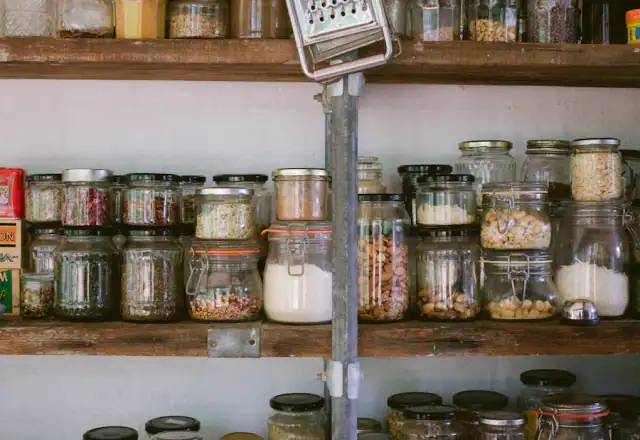
Operators provide dry storage in several forms. Each suits different needs and budgets, so match the format to what you store.
| Format | Best for | Things to check |
|---|---|---|
| Shelf space | Light ingredients and small packaging | Shelf depth, weight limit and number of shelves |
| Bin or tote | Mixed stock for occasional users | Bin size, stacking and labeling |
| Lockable cage or unit | Valuable or sensitive stock | Dimensions, lock type and key holders |
| Pallet space | Bulk ingredients and cartons | Forklift or pallet jack access and weight limits |
| Shared racking | Short-term or overflow storage | Labeling rules and time limits |
Questions to ask about dimensions and capacity
Dry storage should be described in concrete terms, not vague promises. Ask for the exact dimensions of your space and the maximum weight per shelf. Convert your stock into containers: how many bags of flour, how many cartons of jars, how many boxes of labels. Check that they fit with room to rotate.
- What are the width, depth and height of my space?
- What is the weight limit per shelf and per unit?
- Can I store pallets, and is there equipment to move them?
- How much space is truly available at the times I need it?
- Can I increase my space as I grow, and how quickly?
Access hours and security
Storage is only useful if you can reach it when you work. Ask whether you can access your space at all times you are inducted, including early mornings, evenings and weekends, and how access is controlled. Some kitchens use keys or codes, and some provide lockable cages for each tenant.
Security protects your stock and your recipes. Ask about cameras, locks, visitor rules and what happens if something goes missing. The security and access page explains how entry is managed. Keep high-value items such as specialty ingredients or branded packaging in lockable spaces.
Labeling, rotation and organization
Label every container with the product name, your business name and the date received or opened. Use clear, durable labels and keep a master list of what you hold. Rotate stock using first in, first out so older items are used first, and check dates regularly. Discard anything past its date or showing signs of damage.
Organize shelves by category, with heavy items low and light items high, and allergen ingredients stored separately and clearly marked. A tidy shelf saves time every session and reduces mistakes. See ingredient inventory and stock rotation for a simple system.
Pest control, cleanliness and humidity
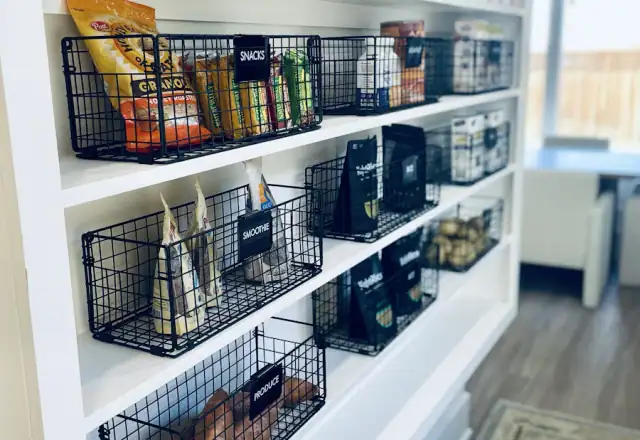
Dry goods attract pests if they are not protected. Store everything off the floor and away from walls, in sealed containers made of metal, glass or food-grade plastic. Never store food in cardboard on the floor, and sweep up spills immediately. Ask the operator about its pest control program and how often it inspects storage areas.
Humidity damages flour, sugar, spices and packaging. Look for storage in a cool, dry area, away from dishwashing steam and cooking heat. Use silica packs or sealed bins for sensitive items. Our kitchen rules describe how clean storage is part of passing inspections.
Charges and how storage is priced
Storage is commonly priced separately from kitchen time. Charges may be by shelf, bin, cage or footprint, billed monthly. Ask whether the price covers utilities, insurance and access, and whether there are charges for exceeding your space. Compare quotes on the same storage assumptions.
Storage can add meaningfully to your monthly cost, so plan the minimum you really need and review it each quarter. The pricing page explains how storage fits into quotes and request a quote to see costs for your needs.
A simple dry storage audit
Once a month, take thirty minutes to audit your storage. Check every container for labels and dates, look for damaged packaging, signs of pests or moisture and items past their use-by dates. Remove and discard anything doubtful and clean the shelf before replacing stock.
Compare what you hold with what you need. Items sitting untouched for months waste space and money, while shortages cause rushed purchases. Adjust your ordering and your storage size accordingly, and record changes so you can see how your needs evolve as the business grows.
Packaging and finished product storage
Packaging often takes more space than ingredients. Jars, bottles, cartons, labels and shipping boxes are bulky, and you may need to buy them in large quantities to get good prices. Plan space for incoming packaging, in-use stock and finished goods awaiting collection.
Keep packaging clean and protected from dust and pests, and store labels flat and dry so they do not curl. Keep finished product separate from ingredients. If you store product for sale, label it with batch codes and dates so you can trace and rotate. See packaging area for related facilities.

More on equipment and facilities
This page is part of our equipment and facilities guide. Follow the pathways below to move up to the overview, compare alongside topics or go deeper into the detail.
Start with the overview
- Equipment and FacilitiesA practical checklist of the equipment, storage and support facilities that matter when you…
- Pricing and Rental PlansA clear explanation of what you pay for, what changes the price and how to get a quote…
- How Renting WorksSix clear steps from first inquiry to your first confirmed session, with what to prepare…
Compare alongside
- Refrigerated StorageHow chilled storage works in a rented kitchen: capacity, allocation, temperature…
- Workspace for Food Business OwnersRunning a food business is not only cooking. Here is what to ask about desks, Wi-Fi and…
- Freezer StorageHow freezer storage works in a rented kitchen: capacity, allocation, access, temperature…
- Staff and Changing FacilitiesGood facilities for your team protect hygiene and keep people working well. Here is what to…
Go deeper
- Kitchen Rental for Packaged Snack BrandsBaking, frying, seasoning and packing capacity for snack makers, plus the storage and…
- Kitchen Rental for Market VendorsHow farmers market and craft market vendors use a rented kitchen to produce packaged goods…
- Request a Rental QuoteTell us about your production and get a clear, written quote built around your hours…
Frequently asked questions
Straight answers to the questions food businesses ask most about dry ingredient and packaging storage.
Is dry storage included in kitchen rental?
Usually it is an add-on charged by shelf, bin or unit. Confirm what your base rate includes.
Can I store food on the floor?
No. Food and packaging should be stored off the floor, in sealed, labeled containers.
Is my storage secure?
Ask about locks, access control and cameras. Many kitchens offer lockable cages or units.
How do I stop pests getting into my stock?
Use sealed containers, keep storage clean and report any sign of pests immediately. Ask about the operator’s pest control program.
Can I increase my storage later?
Often yes, subject to availability. Ask about expansion options when you sign.
Can I store finished products for sale?
Often yes, if labeled and stored properly. Confirm time limits and rules for finished goods.
See the kitchen and equipment in person
Tell us what you cook and which equipment matters. We confirm a viewing time by email.