Rental options
Private Commercial Kitchen Rental
Exclusive access to your own licensed kitchen unit, on your schedule, with your equipment layout and terms built around your operation.
Free to inquire. We reply by email, usually within one business day.
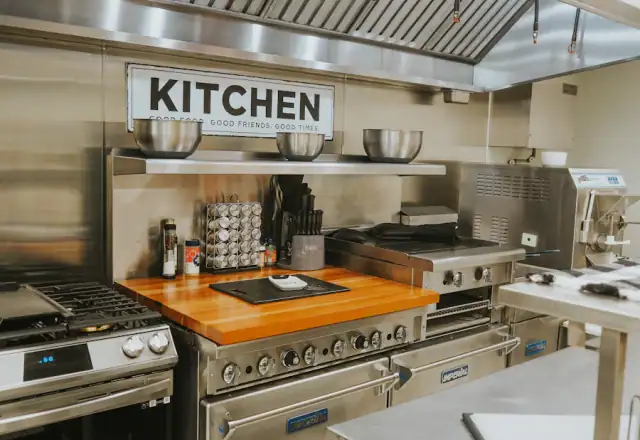
A private commercial kitchen rental gives one business exclusive use of a licensed kitchen unit, usually on a monthly or longer contract. You control the schedule, equipment layout and storage, and your team can work without sharing space. It suits growing teams, branded production and businesses that need always-ready access.
What a private kitchen rental is
A private commercial kitchen is a licensed unit set aside for one tenant. Unlike a shared kitchen, no other businesses use your equipment or workstations. You decide when to cook, how to lay out your production line and what stays out between shifts. The operator still maintains the building, ventilation, plumbing and inspections, so you avoid the cost and risk of building your own facility.
This format sits between a shared kitchen and leasing a standalone space. You get much of the control of ownership without the long lease and fit-out, which makes it a common step for businesses that have outgrown shared time but are not ready to invest in their own building.
When a private kitchen makes sense
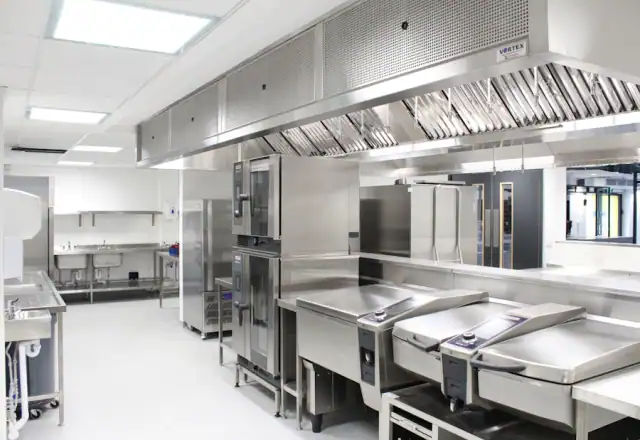
Consider a private unit when scheduling friction costs you money. If you cook most days, need to leave product and equipment set up, run multiple shifts or employ a team that needs reliable access, shared time becomes limiting. Exclusive space also helps with brand consistency, allergen control and confidentiality around recipes and processes.
- You cook many hours each week and need predictable access
- You employ a team that works on its own schedule
- You want to leave equipment, labels and in-process product in place
- You handle strict allergen or dietary controls
- You want a space that can host buyers or auditors
What you can expect to control
Within the rules of the agreement and the building, a private kitchen gives you control over scheduling, storage, small equipment, workflow and cleaning routines. Some operators allow you to bring your own larger equipment, subject to power and ventilation limits and written approval. Others provide a fixed set-up that you adapt to.
Clarify who owns and maintains what. Ask whether equipment breakdowns are repaired by the operator, how quickly, and who pays. Also ask about signage, deliveries and visitor access, which affect how professional your operation looks to suppliers and clients.

Utilities, fit-out and contract terms
Private units are priced more like a lease. The monthly fee may include utilities, or utilities may be metered and billed separately. Heavy users of gas, water or electricity should ask for a clear cap or method of calculation to avoid surprises. Fit-out, such as additional shelving or specialist equipment, may need approval and could be at your cost.
Contracts commonly run for several months to a year or more, with notice periods for exit or renewal. Read the term, the deposit, the maintenance responsibilities and the process for changing the unit as your needs grow. See understanding a kitchen rental agreement for a checklist.
Signs you are ready to move from shared to private
- You regularly book most of the available shared hours
- Scheduling conflicts or limited slots hold back your growth
- You need to leave equipment, labels or in-process product in place
- You employ more than a couple of people in the kitchen
- Customers or buyers ask to visit or audit your production space
- Your monthly shared cost is approaching the cost of a private unit
If several of these apply, request a quote for a private unit and compare it with your current cost. The guide on upgrading from shared to private kitchen space explains how to make the move smoothly.
Costs and how to compare
Private kitchens cost more per month than shared memberships, but they can be cheaper per unit of output if you use the space heavily. Compare the total monthly cost to your realistic production hours and revenue. If your private unit sits idle for large parts of the week, a shared membership or hourly plan may be better value.
Use the pricing page to understand cost drivers and request a quote that reflects your hours, storage and equipment. Also compare with renting versus building your own kitchen, which shows the cost of the alternative.
Staffing and team considerations in a private unit
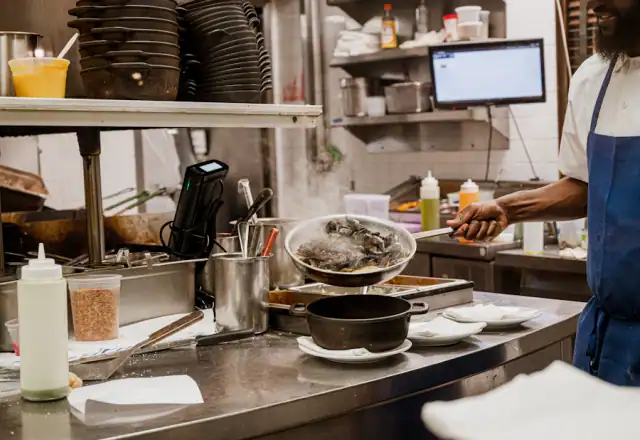
When a team works in a private kitchen, the operator’s expectations apply to everyone on your payroll or contract. Each person who handles food needs their own food safety certification, and you remain responsible for training them on your recipes, your processes and the kitchen’s rules. Plan an onboarding routine for every new hire so quality and safety stay consistent as the team grows.
Think about shift patterns and access. Private units often support early starts, late finishes and weekend work, but you still need a plan for who holds keys or access credentials, how visitors are managed and who locks up. Clear responsibilities prevent small lapses from turning into security or hygiene problems.
Onboarding for a private unit
The process mirrors other formats but with more detail. Expect a tour of the specific unit, review of equipment and utilities, a written agreement, proof of insurance naming the operator, and an induction covering safety, access and emergency procedures. If you employ staff, each person will need food safety certification and an introduction to the rules.
Allow time for any customization. If you need extra shelving, specific equipment or signage, agree timelines in writing. Start with a kitchen tour so you can see the unit and discuss what needs to change before move-in.
More on kitchen rental formats
This page is part of our kitchen rental formats guide. Follow the pathways below to move up to the overview, compare alongside topics or go deeper into the detail.
Start with the overview
- Commercial Kitchen RentalEverything you need to choose between shared, private, hourly, ghost and production…
- Pricing and Rental PlansA clear explanation of what you pay for, what changes the price and how to get a quote…
- How Renting WorksSix clear steps from first inquiry to your first confirmed session, with what to prepare…
Compare alongside
- Cloud, Dark and Ghost Kitchen RentalDelivery-first kitchen space with rider collection and dispatch support, for brands that…
- Shared Kitchen RentalAllocated workstations, shared professional equipment and clear scheduling, the most…
- Central Production Kitchen RentalBulk production space with the throughput, cooling and storage to support volume cooking…
- Farmers Kitchen RentalTurn surplus harvest into jams, sauces, baked goods and prepared foods in a licensed…
Go deeper
- Shared vs Private Kitchen RentalShared kitchens cost less and private kitchens give control. This guide shows how to decide…
- Request a Rental QuoteTell us about your production and get a clear, written quote built around your hours…
- Book a Kitchen TourSee the equipment, test your workflow and ask the questions that matter. Tours are free…
Frequently asked questions
Straight answers to the questions food businesses ask most about private kitchen rental.
How is a private kitchen different from a ghost kitchen?
A private kitchen is exclusive production space for any food business. A ghost kitchen is optimized for delivery-only brands, with dispatch and pickup arrangements.
Can I bring my own equipment into a private kitchen?
Often yes with written approval, subject to power, ventilation and floor space limits.
Do I get 24/7 access?
Many private units include 24/7 access, which the agreement confirms. Our kitchens are open 24 hours a day, 7 days a week.
Who pays for repairs?
The agreement states responsibility. Typically the operator handles building systems and major equipment, while you cover damage caused by misuse.
How long is the contract?
Terms range from a few months to a year or more. Ask about renewal and exit notice before you sign.
Can I sublet or share my unit?
Usually not without permission. Ask the operator if you want to share costs with another business.
Can I have visitors in my private kitchen?
Usually yes, in designated areas and with the operator’s approval. Visitors must follow hygiene and safety rules.
Can I put my own signage up?
Ask the operator. Many allow internal signage and branded storage, but exterior signage may be restricted.
How quickly can I start in a private unit?
After onboarding and a signed agreement, often within days, though customization can add time.
Ask about this kitchen option
Tell us what you need and we reply by email, usually within one business day, with a clear next step.