Who uses the kitchen
Kitchen Rental for Chocolatiers and Chocolate Makers
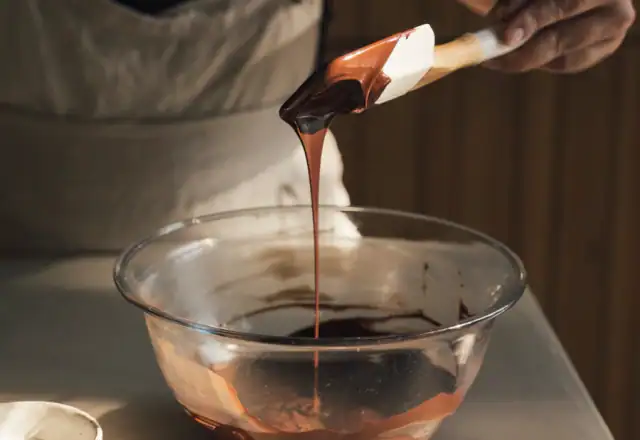
What chocolatiers need from a rented kitchen: temperature control, tempering equipment, cool surfaces and a clean, dust-free workspace.
Free to inquire. We reply by email, usually within one business day.
Chocolatier kitchen rental gives chocolate makers licensed space with the temperature control, tempering equipment, work surfaces and cooling needed for chocolate work. Look for a cool, stable environment, tempering machines, marble or stainless benches, refrigeration for setting and clean allergen-aware storage for nuts, milk and packaging.
Why chocolate makers rent commercial kitchens
Chocolate work is exacting. Tempering, molding, enrobing and decorating all depend on stable conditions and tidy, specialized equipment. A chocolatier can produce excellent results at home in small amounts, but selling product usually requires a licensed facility, and growing demand quickly exceeds a domestic setup.
Renting a commercial kitchen offers the space, the licensing and the infrastructure to move from hobby to business. Compared with building a dedicated chocolate workshop, renting leaves capital free for ingredients, molds and marketing while you learn what your customers love.

Temperature and humidity control
Chocolate is sensitive to heat and moisture. Most chocolatiers aim for a cool, stable workspace, often in the low 60s to low 70s °F, with low humidity. Warm rooms cause chocolate to bloom or fail to set, and humidity can cause sugar bloom or seize melted chocolate. A busy kitchen full of ovens and fryers can be a difficult environment.
Ask about air conditioning and how the kitchen handles heat. Some kitchens have a dedicated cool area or let you book quieter times when ovens are off. Check refrigeration space for setting product, and plan your schedule around the hottest periods of the day.
Tempering equipment and work surfaces
Core equipment includes a tempering machine or a controlled melting setup, thermometers, scrapers, molds, a cool work surface and chilled space to set product. Marble or granite is classic for hand tempering, though stainless steel can work with careful technique. Check what the kitchen supplies and what you must bring.

- Tempering machine or melter, and power capacity
- Marble or cool stainless work surfaces
- Refrigeration for setting molded and enrobed products
- Racks, trays and parchment for finished product
- Space for molds, tools and decorating supplies
- A clean area for packaging and labeling
See equipment and facilities for questions to ask on a tour.
Seasonal planning for chocolate businesses
Chocolate sales swing with the calendar. Valentine’s Day, Easter, Mother’s Day and the winter holidays can account for most of a small brand’s annual revenue. Plan production for each peak at least eight weeks ahead: confirm recipes, order packaging, book kitchen time and storage and decide which products to make early and which to make fresh.
Many chocolatiers book extra sessions before each peak and reduce hours afterward. Hourly or short-term rental makes this affordable. Keep a calendar of peak dates, lead times and last order dates for packaging suppliers, because late deliveries cause more problems than limited kitchen time.
Allergens and ingredient separation
Milk, nuts, soy and sometimes gluten are common in chocolate products, and cross-contact is a serious risk in a shared kitchen. Fine cocoa and nut dust can spread, so careful cleaning and organized storage are essential. Label every ingredient, separate allergen ingredients and use dedicated tools where possible.
If your products are nut-free or allergen-controlled, discuss this with us before you book. A private unit or scheduled allergen-free times may be needed to avoid risk. See our kitchen rules and the guide on allergen management in a shared kitchen.
Packaging and presentation for chocolate products
Chocolate is judged by eye before it is tasted. Choose packaging that protects against heat, moisture and impact, and that fits the story of your brand. Use food-grade materials that do not transfer odors, and keep packaging in a clean, dry area until needed.
Plan for shipping. Chocolate softens above about 77°F, so warm-weather shipments need insulation and cold packs, and may need to avoid weekend transit. Test packages by sending trial boxes to a friend and asking how they arrived. A beautiful product that arrives melted costs more than the shipping saved.
Questions chocolatiers should ask on a tour
- What is the room temperature at the hours I would work?
- Is there a cool area or can the air conditioning be adjusted?
- Where can I set molded product, and how much refrigeration is available?
- Can I use a tempering machine, and is the power supply sufficient?
- How are nut and milk allergens separated from other tenants?
- Can I store raw chocolate and packaging in cool, dry space?
Storage, shelf life and packaging
Chocolate keeps best in cool, dry, dark conditions away from strong odors. Ask for storage that is stable in temperature and free from moisture and strong smells such as onions or spices. Plan storage for raw chocolate, fillings, packaging and finished products awaiting sale.
Fresh fillings such as cream ganache shorten shelf life and need refrigeration. Test shelf life for each product and label it with a best-before date. See planning shelf-life testing and dry storage for more.
Workflow for chocolate production
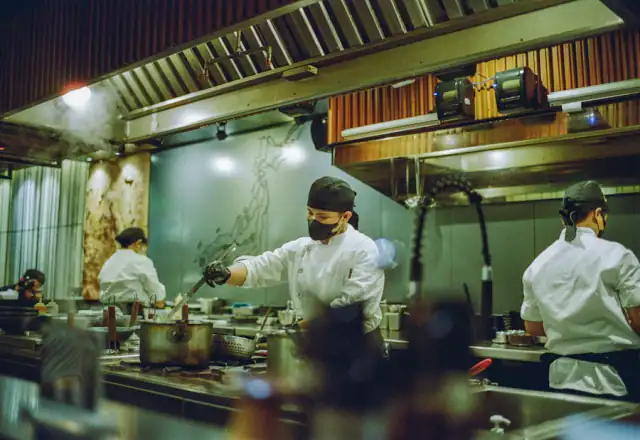
A typical chocolate workflow moves from preparing fillings to tempering, molding or enrobing, setting, demolding and packing. Plan each step in sequence and keep wet and dry tasks separate. Work in small, well-timed batches so chocolate stays in temper and ingredients are fresh.
- Prepare fillings, centers and decorations
- Melt and temper chocolate
- Mold, enrobe or dip products
- Set in a cool area or refrigerator
- Demold, trim and inspect
- Pack and label with ingredients and allergens
Costs and choosing a plan
Chocolatiers often start with hourly or shared rental during off-peak hours when the kitchen is cooler. If you need strict temperature control or allergen separation, a private kitchen gives you full control.
Seasonal peaks such as Valentine’s Day, Easter and the winter holidays can multiply demand, so consider booking extra time or a short-term rental for those periods. Estimate cost per batch to make sure your pricing covers kitchen time. Request a quote.

More on who uses a rented kitchen
This page is part of our who uses a rented kitchen guide. Follow the pathways below to move up to the overview, compare alongside topics or go deeper into the detail.
Start with the overview
- Commercial Kitchen RentalEverything you need to choose between shared, private, hourly, ghost and production…
- Pricing and Rental PlansA clear explanation of what you pay for, what changes the price and how to get a quote…
- How Renting WorksSix clear steps from first inquiry to your first confirmed session, with what to prepare…
Compare alongside
- Kitchen Rental for Confectionery MakersSafe hot-sugar processing, molding space and dry storage for candy makers and sweet brands…
- Kitchen Rental for Personal ChefsFlexible commercial kitchen time for personal and private chefs who prepare client meals…
- Kitchen Rental for Sauce and Condiment BrandsBatch cooking, filling and container handling for sauce, dressing and condiment brands…
- Pop-Up Kitchen RentalShort-term kitchen space for pop-up restaurants and menu trials, with advice on service…
Go deeper
- Equipment and FacilitiesA practical checklist of the equipment, storage and support facilities that matter when you…
- Dry Ingredient and Packaging StorageWhat to know about dry storage in a rented kitchen: sizes, access, labeling, security, pest…
- Shared Kitchen RentalAllocated workstations, shared professional equipment and clear scheduling, the most…
- Planning Shelf-Life Testing for a Food ProductA best-before date should come from evidence, not guesswork. Here is how to plan a sensible…
Frequently asked questions
Straight answers to the questions food businesses ask most about kitchen rental for chocolatiers.
Can I temper chocolate in a shared kitchen?
Yes, if the kitchen is cool enough and you can reserve space and equipment. Ask about temperature control and quiet times.
What temperature should the room be for chocolate work?
Many chocolatiers work in the low 60s to low 70s °F with low humidity, though recipes and techniques differ.
How do I avoid allergen cross-contact with chocolate?
Separate allergen ingredients, label, use dedicated tools and clean thoroughly. Consider allergen-controlled times or a private unit.
Can I store chocolate at the kitchen?
Often yes in cool, dry storage. Confirm temperature stability and pest control.
Is a private kitchen necessary for chocolate?
Not always, but it helps if you need strict temperature control or allergen separation.
What peaks should I plan for?
Valentine’s Day, Easter, Mother’s Day and the winter holidays are major peaks for chocolate sales.
Can I ship chocolate from the kitchen?
Often yes, subject to your permits. Plan insulated packaging in warm weather and keep product cool until it leaves.
Get matched with a kitchen for your business
Share what you make and how often you cook. We check real kitchens and reply with options and prices.