
Who uses the kitchen
Kitchen Rental for Confectionery Makers and Sweet Brands
Safe hot-sugar processing, molding space and dry storage for candy makers and sweet brands working in a rented commercial kitchen.
Free to inquire. We reply by email, usually within one business day.
Confectionery kitchen rental gives candy and sweet makers licensed space for cooking sugar, molding, setting and packing confectionery. Look for powerful burners, heavy pots, safe handling of molten sugar, marble or stainless benches, cooling space, humidity control and dry storage for finished sweets, and ask how the kitchen manages burns and safety.
Why confectionery makers rent commercial kitchens
Confectionery covers a wide range, from hard candy and caramels to nougat, marshmallow and gummies. Many involve cooking sugar to high temperatures, which needs strong burners, large pots and a space where hot work can be done safely. Home kitchens are rarely suited to production, and rules for selling confectionery often require a licensed facility.
A rented commercial kitchen provides that environment without the cost of building a dedicated confectionery workshop. It also provides refrigeration, dry storage and packing areas, so you can scale from test batches to regular production without moving.

Sugar cooking and hot-work safety
Molten sugar can exceed 300°F and causes severe burns on contact. Safe confectionery production means giving yourself space, wearing proper protective clothing, using heavy, stable pots and keeping the work area clear of people and clutter. Always keep a bowl of ice water, burn first-aid and a clear path to a sink nearby.
- Use pots with heavy bases and long, heat-safe handles
- Wear long sleeves, closed shoes and heat-resistant gloves when needed
- Keep children and visitors away from the cooking area
- Never move molten sugar across a crowded kitchen
- Know where first aid, fire blankets and extinguishers are
Ask how the kitchen manages hot work in a shared setting. Quiet times or a private unit reduce risk.
Equipment and work surfaces
Confectionery equipment is simple but must be right. You need burners with steady, high output, accurate candy thermometers, copper or heavy stainless pots, silicone mats or marble slabs, scrapers, molds and cutters. Larger operations also use cooking kettles, depositors and cooling tunnels.
Check that you can use the burners you need at the same time and that ventilation clears steam and sugar vapors. Cooling space is vital because candy must set at the right rate. See equipment and facilities for a checklist to bring to your tour.

Storage and shelf life for confectionery
Most confectionery is shelf-stable when well made, but moisture, heat and light shorten its life. Store finished sweets in sealed packaging in a cool, dry place, away from strong odors. Hard candy absorbs moisture quickly, so wrap each piece or use moisture-proof packaging and desiccants.
Date your batches and test samples over time to decide the best-before date. Retailers often ask for evidence of shelf life, and customers notice when product turns sticky or grainy. Record storage conditions and results so you can improve each batch.
Mistakes confectionery makers should avoid
The most common mistake is underestimating how sensitive sugar is to weather and technique. A recipe that works on a dry day can fail on a humid one. Always record conditions and results. Another is scaling up too quickly: doubling a batch of caramel or hard candy changes cooking and cooling behavior, so test at each step.
Finally, many makers overlook packaging. Moisture-proof wrappers, clean sealing and accurate labeling are what keep sweets fresh on the shelf. Treat packaging as part of the recipe and test it alongside the candy.
Types of confectionery and what each needs
| Product | What it needs | Watch for |
|---|---|---|
| Hard candy and lollipops | High-heat burners, marble or silicone molds, fast work | Burns, humidity and stickiness |
| Caramels and toffee | Heavy pots, thermometers, cutting surface | Scorching, stirring time and cooling |
| Marshmallow and nougat | Strong mixers and set-up time | Dust, humidity and sticky surfaces |
| Gummies and jellies | Depositors or molds, drying space | Moisture control and shelf life |
| Brittles and nut clusters | Nuts, heat and trays | Allergens and breakage |
Humidity, cooling and setting
Humidity is the enemy of many sweets. Sugar absorbs moisture from the air, which can make hard candy sticky and cause graining or bloom. Ask about air conditioning and dehumidification, and avoid scheduling delicate production on humid days if the kitchen cannot control it.
Setting and cooling follow cooking. Plan trays, racks and refrigeration to hold product while it sets, and keep finished sweets protected from moisture. A cool, dry packing space protects quality until your product is sealed.
Allergens, labeling and shelf life
Many sweets contain milk, nuts, soy, wheat and sometimes gelatin or colorings that need declaring. Keep allergens separate in storage, clean equipment between products and label every item accurately. Shared kitchens need clear procedures to prevent cross-contact, especially with nut-based confectionery.
Shelf life depends on moisture and packaging. Test each product, record results and set a best-before date. Wholesale buyers often ask for evidence. See planning shelf-life testing and the kitchen rules.
Storage and packing
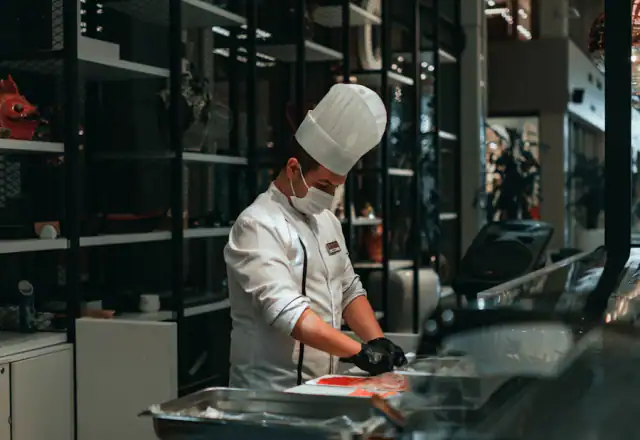
Finished confectionery needs cool, dry storage and sealed packaging. Plan space for ingredient storage, in-process trays, finished product and packaging materials. If you pack by hand, you need a clean surface, scales and labeling supplies close at hand.
Ask about dry storage capacity and access, and whether you can leave product between sessions. For seasonal peaks, such as Halloween or the holidays, book storage in advance.
Costs and getting started
Confectionery makers often start with hourly or shared rental and move to private space as volume rises. Keep a close eye on cost per batch, including ingredients, packaging and kitchen time, and adjust prices so you are profitable.
To start, list your products, batch sizes and equipment needs. Book a tour to test the space and ask about hot-work safety and humidity control, then request a quote.

More on who uses a rented kitchen
This page is part of our who uses a rented kitchen guide. Follow the pathways below to move up to the overview, compare alongside topics or go deeper into the detail.
Start with the overview
- Commercial Kitchen RentalEverything you need to choose between shared, private, hourly, ghost and production…
- Pricing and Rental PlansA clear explanation of what you pay for, what changes the price and how to get a quote…
- How Renting WorksSix clear steps from first inquiry to your first confirmed session, with what to prepare…
Compare alongside
- Kitchen Rental for Sauce and Condiment BrandsBatch cooking, filling and container handling for sauce, dressing and condiment brands…
- Kitchen Rental for ChocolatiersWhat chocolatiers need from a rented kitchen: temperature control, tempering equipment…
- Kitchen Rental for Packaged Snack BrandsBaking, frying, seasoning and packing capacity for snack makers, plus the storage and…
- Kitchen Rental for Personal ChefsFlexible commercial kitchen time for personal and private chefs who prepare client meals…
Go deeper
- Equipment and FacilitiesA practical checklist of the equipment, storage and support facilities that matter when you…
- Dry Ingredient and Packaging StorageWhat to know about dry storage in a rented kitchen: sizes, access, labeling, security, pest…
- Private Kitchen RentalExclusive access to your own licensed kitchen unit, on your schedule, with your equipment…
- Planning Shelf-Life Testing for a Food ProductA best-before date should come from evidence, not guesswork. Here is how to plan a sensible…
Frequently asked questions
Straight answers to the questions food businesses ask most about kitchen rental for confectionery makers.
Can I make hard candy in a shared kitchen?
Yes if the kitchen allows hot sugar work, has suitable burners and ventilation and can manage safety. Ask about quiet times.
How do I deal with humidity?
Choose a kitchen with air conditioning or dehumidification, schedule on drier days and keep product sealed once set.
What safety gear should I bring?
Heat-resistant gloves, long sleeves, closed shoes and a candy thermometer are common.
Do I need to declare allergens on sweets?
Yes. Milk, nuts, soy, wheat and others must be declared according to labeling rules.
Can I store finished sweets at the kitchen?
Often yes in dry storage. Ask about humidity, temperature and pest control.
Is a private kitchen better for confectionery?
It can be, for hot-work safety, humidity control and allergen separation, though shared works for smaller output.
Can I make candy for sale with a home recipe?
Yes, once you scale and standardize it in a licensed kitchen and hold the right permits. Test at full batch size first.
Get matched with a kitchen for your business
Share what you make and how often you cook. We check real kitchens and reply with options and prices.