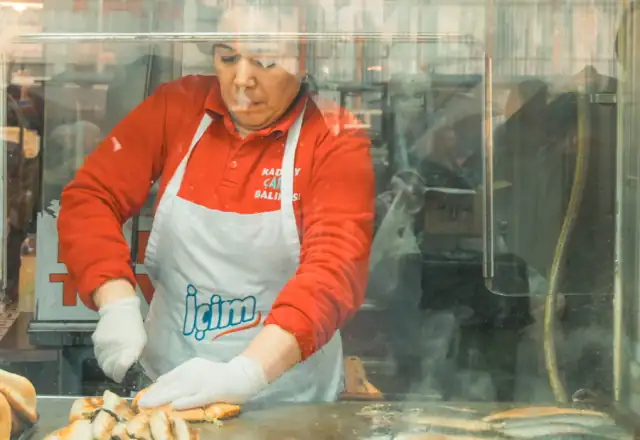
Who uses the kitchen
Kitchen Rental for Sandwich and Salad Businesses
Cold prep benches, chilled storage and portioning space for sandwich, salad and grab-and-go businesses producing ready-to-eat food.
Free to inquire. We reply by email, usually within one business day.
Sandwich and salad businesses rent commercial kitchens with large cold preparation benches, refrigeration and portioning space to make ready-to-eat food safely. Priorities are keeping cold food at or below 41°F, separating raw and ready-to-eat ingredients, preventing cross-contamination and allergens, and packing and distributing product quickly in chilled conditions.
Why sandwich and salad businesses rent commercial kitchens
Sandwiches and salads are ready-to-eat, which means there is no cooking step at the customer’s end to kill bacteria. Safety depends on what you do in the kitchen, so regulators expect high standards and a licensed facility. Home preparation is usually not allowed for sale, and home equipment cannot handle the volume of an office catering or café supply business.
Renting a commercial kitchen gives you the cold space, cleaning facilities and legal footing to supply cafés, offices and shops. It lets you start small and add volume as accounts come in, without paying for a dedicated site.

Cold preparation benches and workflow
The core of the operation is a cold prep area: long stainless benches, refrigerated prep tables or cooled wells, slicers and a clean space to assemble. Lay out your workflow in a line so ingredients move from storage to assembly to packing without crossing back.
- Remove ingredients from refrigeration in small batches
- Wash produce and prepare it on clean, sanitized boards
- Assemble on separate benches from raw proteins
- Portion and weigh each item
- Pack and label immediately
- Return finished product to chilled storage
See preparation workstations for what to check.
Temperature control and chilled storage
Keep cold food at or below 41°F at every stage. Do not leave ingredients on the bench longer than necessary, and work in batches so items spend minimal time out of refrigeration. Use calibrated thermometers, record temperatures and check refrigerators regularly.
You also need enough chilled storage for ingredients and finished product. Ask how much you can reserve and how it is organized, and plan deliveries to match. Learn more about refrigerated storage and our guide to planning refrigeration capacity.
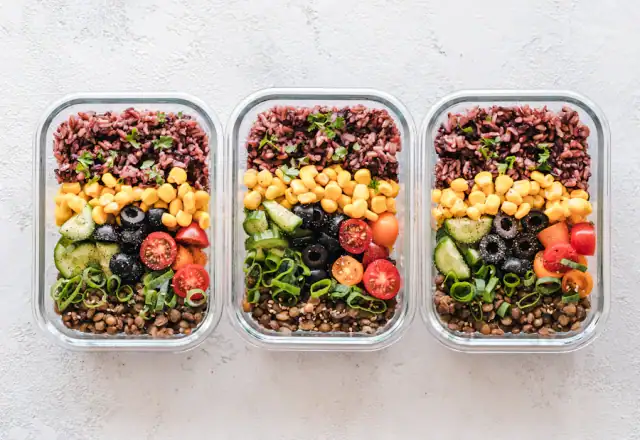
Preventing cross-contamination
Ready-to-eat food must never touch raw meat, raw eggs or unwashed produce. Use separate boards, knives and containers, wash hands between tasks and clean surfaces between ingredients. Store raw proteins below ready-to-eat items in refrigeration so nothing drips down.
Color-coded tools help staff follow the rules. Train everyone to change gloves when moving between tasks and to avoid touching their faces, phones or hair. See the kitchen rules for the standards we apply.
Costs and choosing a plan
Sandwich and salad businesses usually begin with a shared membership and early-morning sessions, moving to a private kitchen as accounts grow. Watch food cost and waste closely, because fresh products have little room for error.
Calculate cost per item and compare it with your price. Request a quote or book a tour to see the cold prep space.
Allergens and labeling
Sandwiches and salads often contain wheat, milk, eggs, fish, soy, sesame and tree nuts. Customers rely on labels, so every product must list ingredients and allergens accurately. Use clear stickers or packaging prints and update them whenever a recipe changes.
Keep a master allergen matrix for all products. Separate allergen ingredients in storage, clean surfaces thoroughly between products and train staff. Read our guide on allergen management in a shared kitchen.

Portioning, packing and shelf life
Consistency wins repeat customers. Use scales and scoops to portion fillings and dressings, and pack in a standard way so the product looks the same every day. Choose packaging that protects against crushing, moisture and leaks, and keep dressings separate where texture matters.
Shelf life is short for fresh sandwiches and salads, often one to three days under refrigeration. Set a use-by date based on testing, and plan production so you deliver as fresh as possible. See planning shelf-life testing.
Scaling from a handful of orders to daily supply
Many sandwich and salad businesses start with office orders and grow into cafés and delivery. Scale in steps: first add one account at a time, then standardize your recipes and packing, then add production days. Keep a close eye on waste, because fresh food loses value quickly.
Use pre-orders where you can. A simple order cut-off the day before gives you the numbers to buy and prepare accurately. Over time, the data tells you which products and days are strongest, and you can plan hours and staffing accordingly.
Menu design for sandwich and salad businesses
A tight menu is faster, cheaper and safer. Choose a handful of core sandwiches and salads that share ingredients, such as the same breads, proteins, dressings and vegetables in different combinations. This reduces stock, speeds assembly and keeps quality high.
Test every item for how it holds. Some breads go soggy, some greens wilt and some dressings separate. Adjust recipes and packaging until a product tastes right at the end of its shelf life, not only on the day it was made. Our guide to menu design for efficient production can help.
Distribution and delivery
Your product travels from kitchen to customer, so the cold chain matters. Use insulated crates or refrigerated vans, keep a thermometer in each load and log temperatures. Plan delivery routes to reduce time in transit and hand over to customers quickly.
Ask about loading access and early morning pickup, because many cafés and offices want delivery before breakfast or lunch. See loading and deliveries.

Common mistakes with ready-to-eat production
- Letting ingredients warm up on the bench during assembly
- Using one board or knife for raw and ready-to-eat foods
- Printing labels in advance and forgetting to update them
- Over-producing and discarding unsold stock
- Skipping temperature records on delivery vehicles
Building simple checklists into every shift prevents most of these errors and protects both your customers and your business.
More on who uses a rented kitchen
This page is part of our who uses a rented kitchen guide. Follow the pathways below to move up to the overview, compare alongside topics or go deeper into the detail.
Start with the overview
- Commercial Kitchen RentalEverything you need to choose between shared, private, hourly, ghost and production…
- Pricing and Rental PlansA clear explanation of what you pay for, what changes the price and how to get a quote…
- How Renting WorksSix clear steps from first inquiry to your first confirmed session, with what to prepare…
Compare alongside
- Catering Kitchen RentalEverything a catering business should check in a rented kitchen: batch capacity, holding…
- Ice Cream KitchenFreezing, churning and cold storage for ice cream and frozen dessert makers, plus the dairy…
- Bakery KitchenWhat bakers need from a rented commercial kitchen: oven capacity, mixers, proofing, cooling…
- Kitchen Rental for Market VendorsHow farmers market and craft market vendors use a rented kitchen to produce packaged goods…
Go deeper
- Preparation WorkstationsYour workstation is where most of your session happens. Here is what to measure and ask…
- Refrigerated StorageHow chilled storage works in a rented kitchen: capacity, allocation, temperature…
- Meal Prep Kitchen RentalHow meal prep and meal delivery businesses use a rented commercial kitchen: portioning…
- Planning Refrigeration CapacityCold space is limited and expensive. Learn to size it from your real flow of ingredients…
Frequently asked questions
Straight answers to the questions food businesses ask most about kitchen rental for sandwich and salad businesses.
Can I make sandwiches for sale in a rented kitchen?
Yes, with the permits your area requires for ready-to-eat foods.
What temperature must sandwich fillings be kept at?
Cold fillings should be kept at or below 41°F during storage, preparation and transport.
How long do fresh sandwiches last?
Often one to three days when refrigerated, depending on ingredients and packaging. Test and set a use-by date.
How do I avoid cross-contamination?
Separate raw and ready-to-eat foods, use color-coded tools, wash hands and clean surfaces between tasks.
Can I supply cafés and offices from the kitchen?
Yes, with the right permits and a plan for chilled delivery.
Do I need nutrition labels?
Often for packaged foods unless exempt. Check federal and local rules for your product and sales channel.
Can I make sandwiches the night before delivery?
Often yes if held at or below 41°F and delivered within the shelf life you have tested. Check local rules and your own shelf-life data.
Get matched with a kitchen for your business
Share what you make and how often you cook. We check real kitchens and reply with options and prices.