Guide
Reducing Waste During Food Production
Waste is cost. This guide shows where it hides in a production kitchen and how to cut it.
Free to inquire. We reply by email, usually within one business day.

To reduce food waste in production, measure what you throw away, plan batches to match orders, improve yields and portioning, store and rotate stock correctly, repurpose trimmings, buy in right-sized quantities and train staff. Track waste weekly, find the largest causes first and set a target. Reducing waste lowers cost per unit and storage needs.
Why waste matters more in a rented kitchen
Waste affects margins directly, and in a rented kitchen it also fills bins, storage and time. Every kilogram thrown away has already cost ingredients, labor and kitchen hours. Reducing it improves profit without selling more.
It also reduces your environmental footprint and can be a selling point for customers who care.
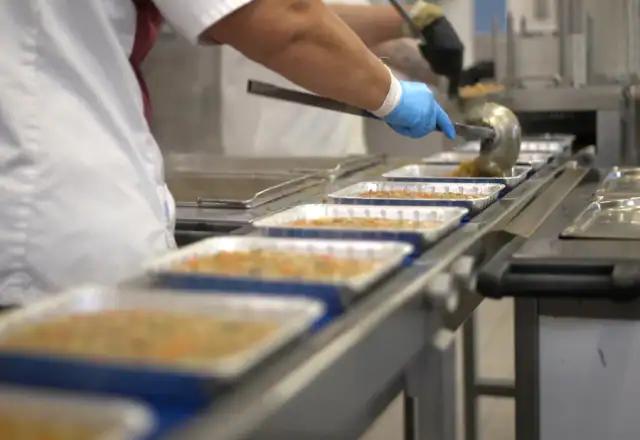
Measure before you fix
Keep a waste log for two weeks. Record what was thrown away, how much, why and where in the process. Weigh if you can. Categorize waste: trim, spoilage, over-production, mistakes and returns.
| Category | Typical cause | Fix |
|---|---|---|
| Trim | Poor cutting or specs | Training, better suppliers, reuse |
| Spoilage | Overbuying, poor rotation | Smaller orders, FIFO |
| Over-production | Guessing demand | Pre-orders, forecasting |
| Errors | Mislabeling, mistakes | Checks, training |
| Returns | Quality or timing | Process review |
Common causes of waste in rented kitchens
Shared kitchens bring specific waste patterns: over-ordering because storage is limited, losses from cross-booking delays, and spoilage when a session is canceled. Plan ingredient deliveries close to the booking, keep flexible recipes that use what you have and freeze safely where allowed. Talk to other tenants about sharing bulk purchases, which can reduce cost and waste together.
Plan production to demand
Cook what you will sell. Use pre-orders, historical sales and cut-off times to forecast. Start with slightly less and add if needed rather than discarding. For products with short shelf life, plan frequent small batches.

Improve yields and portioning
Yield is the amount of usable product from raw ingredients. Test and record yields, and train staff to cut and trim consistently. Use scales and portion tools so each unit uses the intended amount. Small over-portions add up.
Check recipes regularly against actual use.
Set targets and share results
Set a modest target, such as a 20 percent reduction in three months. Share the numbers with your team and celebrate progress. Review the waste log monthly and choose one new action at a time.
People support goals they understand.
Donation, composting and disposal rules
Surplus food can often be donated through food banks and rescue programs under good-faith donor protections, provided it is safe and properly labeled. Compost or recycle organic waste where services are available. Discuss waste handling with the operator, since shared bins and pickup schedules affect everyone. Never put grease down drains.
Waste disposal and the kitchen
Use the kitchen’s designated bins for food waste, recycling and grease. Keep bins covered and emptied regularly. Never pour fat down drains. Ask about composting or collection options.
See managing cooking oil and kitchen waste.
Practical ways to cut waste
Plan production against orders, scale recipes accurately, use trim in stocks, sauces and staff meals where safe, and store food correctly to extend life. Improve ordering with par levels, and use first-in, first-out rotation. Train staff to portion consistently and to report errors early. Review menu items that produce high trim and consider alternatives.
Store and rotate correctly
Spoilage often comes from poor storage. Keep food at correct temperatures, covered and labeled, and use first in, first out. Keep your cooler organized so items are seen. Check dates every week.
See ingredient inventory and stock rotation and refrigeration capacity planning.

Packaging waste and sustainability
Look at packaging as well as food. Choose recyclable or compostable materials where they protect the product, right-size containers to avoid excess, and ask suppliers to take back pallets and crates. Customers increasingly notice packaging waste, so reductions can help your brand as well as your costs.
Buy the right quantities
Match order sizes to usage and shelf life. Avoid bulk deals on perishable items you cannot use. Share orders with other tenants to meet supplier minimums without overbuying. Check deliveries carefully and reject poor quality.
Ask suppliers about smaller pack sizes.
A weekly waste review routine
Every week, review the waste log, discuss the top three causes and agree one change to test. Update par levels and prep quantities accordingly. Over a few months, this routine builds a culture of care that benefits your costs, your customers and the environment.
Turn waste data into profit
Convert waste into dollars to see its true impact, for example by multiplying weight by ingredient cost. Set a target, such as a ten percent reduction in a quarter, and track progress. Share results with the team and celebrate improvements. Lower waste raises margin without raising prices.
Involve the whole team in waste reduction
Waste falls fastest when everyone sees the numbers and owns the solution. Post the weekly waste total where the team can see it, invite ideas for using trim, and reward improvements. Staff who handle ingredients every day often spot easy wins that managers miss, such as a container size that causes spoilage or a prep step that creates extra trim.
Repurpose and recover
Use trimmings in stocks, sauces, soups and staff meals. Turn day-old bread into crumbs or croutons. Freeze surplus where it is safe and keep quality. Where allowed, donate edible surplus to food banks, following local rules on donated food.
Make repurposing part of the menu plan, not an afterthought.

Prevent mistakes
Many losses come from errors: wrong ingredients, burnt batches, mislabeled products. Use checklists, clear recipes and quality checks. Train staff and give them time to work carefully. A calm line wastes less.
Record errors and look for patterns.
Measure waste before you try to reduce it
For two weeks, weigh and record everything you throw away, with a reason: trim, spoilage, overproduction, mistakes or returns. Sort the results by cost, and pick the top three causes. Most kitchens find that a few items account for the majority of waste, and a few small changes can make a big difference.
More on running a rented kitchen
This page is part of our running a rented kitchen guide. Follow the pathways below to move up to the overview, compare alongside topics or go deeper into the detail.
Start with the overview
- Kitchen Rental Resource CenterPlain-English guides organized by what you need to do: choose a kitchen, operate safely and…
- Pricing and Rental PlansA clear explanation of what you pay for, what changes the price and how to get a quote…
- How Renting WorksSix clear steps from first inquiry to your first confirmed session, with what to prepare…
Compare alongside
- Managing Production and Order DeadlinesDeadlines are fixed, kitchen slots are limited. Plan backward from the due date so orders…
- Transporting Food from a Rental KitchenFood is most at risk once it leaves your control. Plan packaging, temperature and loading…
- Equipment Induction for Kitchen UsersAn induction keeps you and the equipment safe. Know what a good one covers and how to make…
- Preparing a Food Product Recall PlanNo one plans to recall a product, but every food business should be ready. A written plan…
Go deeper
- Central Production Kitchen RentalBulk production space with the throughput, cooling and storage to support volume cooking…
- Ingredient Inventory and Stock RotationKnowing what you have, and using the oldest first, saves money and keeps food safe. Here is…
- Planning a Batch Production ScheduleA written schedule turns a chaotic production day into a repeatable routine. Learn how to…
- Recipe Costing for Small Food BusinessesYou cannot price well without knowing what each unit costs. Learn to cost a recipe…
Frequently asked questions
Straight answers to the questions food businesses ask most about reducing waste during food production.
How do I start measuring waste?
Log what you discard for two weeks, with weight and reason.
What causes the most waste?
Over-production and spoilage are common.
Can I donate surplus?
Often, within local rules on donated food.
Does less waste reduce storage costs?
Yes, because you hold less stock.
How much can I reduce?
Many businesses cut 20 to 50 percent with simple measures.
Who is responsible?
Everyone, with a named owner for the log.
Put this guide into practice in a real kitchen
Tell us about your food business and the hours you need. We match you with a licensed kitchen and send a written quote.