
Guide
Reporting Kitchen Equipment Faults: A Simple Process
Prompt, clear fault reports keep everyone safe and protect your deposit. Here is a simple process to follow.
Free to inquire. We reply by email, usually within one business day.
To report a kitchen equipment fault, stop using the item, make it safe, tag it as out of service, tell staff immediately, give clear details of what happened and when, take photos, record the report and follow up. Never attempt repairs yourself. Prompt reporting protects safety, other tenants and your deposit.
Why reporting matters
Faulty equipment can injure people, spoil food and halt production for everyone. If you notice a problem and say nothing, the next user may be hurt, and you may be blamed for damage you did not cause. Reporting promptly keeps people safe and shows that you are a reliable tenant.
It also helps the operator fix the issue sooner, which protects your own bookings.
Spot the early warning signs
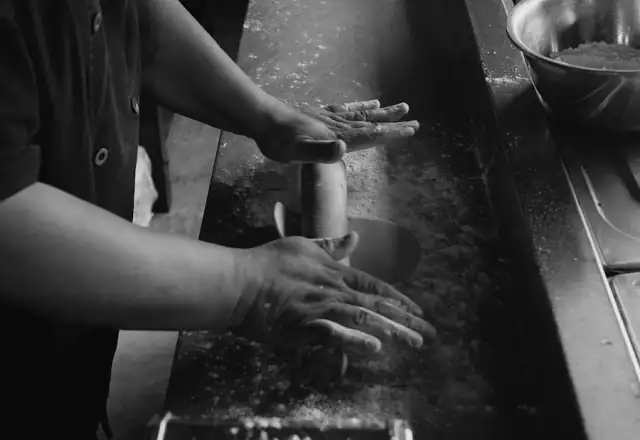
Faults often announce themselves: odd noises, burning smells, uneven heating, leaks, error codes, loose parts or sticking controls. Trust your senses and stop if something feels wrong. Do not wait until it fails completely.
Check equipment at the start of each session. A thirty-second look often finds problems before they matter.
Make it safe first
Switch off and, where appropriate, isolate the equipment. Move people away from hazards, mop spills and block access if needed. If there is a risk of fire, gas leak or injury, follow the emergency procedure and call for help.
Safety comes before everything else, including your batch.
Keeping your own backup plan
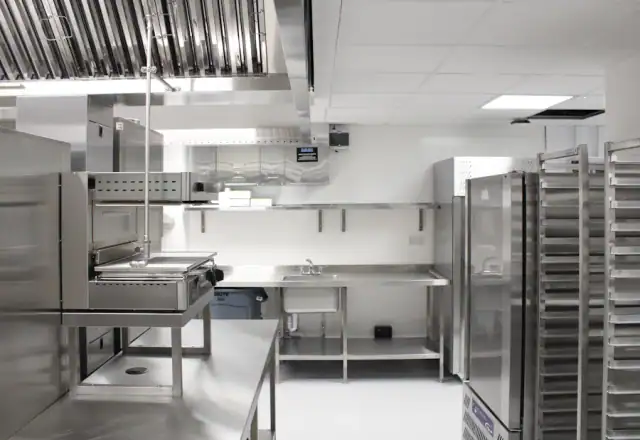
Even with a fast operator, faults happen at inconvenient times. Keep a short list of alternatives: a second kitchen that can take a booking at short notice, a supplier of ready-prepped components and a plan for communicating delays to customers. Having a plan turns a breakdown into a manageable interruption.
Never fix it yourself
Do not attempt repairs, bypass safety devices or use workarounds. You may cause more damage or injury and could be responsible for the cost. Leave repairs to qualified people.
See the kitchen rules.
A simple fault-report template
- Date and time of the problem
- Equipment name and location
- What happened and what you saw or heard
- Is it safe to continue using it? (yes or no)
- Photos attached
- Your name, business and contact details
Keep a copy of each report so you can show the history if a repair takes too long or a booking credit is needed.
Fault reporting and your rental agreement
Check how your agreement treats equipment downtime: whether you receive credits, rescheduling or nothing. Ask about response times and who pays for damage caused by misuse. Clear terms prevent arguments and help you decide how much risk you can accept.
Escalation and follow-up
If a fault is not acknowledged within the agreed time, follow up by phone and put it in writing. For safety hazards, such as gas smells or sparking equipment, stop work immediately and call emergency services if necessary. Keep a record of times and responses, since they matter if you request credit or compensation.
Tag it out of service
Use a tag or sign to show that the equipment must not be used. Write the date, your name and a short description. If the kitchen provides tags, use them. This prevents others from using it and shows who reported it.
Never remove another person’s tag.
What to expect after you report
The operator should acknowledge the report, assess safety, arrange repair and tell you when the equipment will be back. Ask about credits or alternative equipment if a fault affects your booking, and check the agreement for how these cases are handled. Follow up politely if there is no response.
Tell staff with clear details
Report to staff straight away, in person if possible. Give the equipment name, location, what happened, when and what you did. Mention anyone affected and whether food or product is involved. Be factual and avoid blame.

- What equipment and where
- What you noticed and when
- What you did to make it safe
- Whether anyone was hurt or product was affected
- Photos or video if safe to take
Record the report
Write down the date, time, who you spoke to and what was agreed. Send a short email to confirm if you can. Take photos. Keep the records with your agreement. If there is a dispute later, you can show exactly what happened.
Follow up
Ask when the equipment will be repaired and whether an alternative is available. Check that the fault is resolved before you use it again. If it recurs, say so. Good operators appreciate tenants who follow up politely.
If a fault disrupts your booking, ask what the agreement says about compensation or rescheduling.
What if your product is affected
If equipment failure affects food, such as a cooler that has warmed, follow food safety rules. Check temperatures, move product, record what you did and discard anything unsafe. Tell the operator and your insurer if there is a loss.

Preventing faults through good habits
Use equipment as trained, clean it properly, avoid overloading and report unusual behavior at once. Keep a log of faults you notice, which can reveal patterns. A cooperative relationship with the operator results in faster repairs and a better kitchen for everyone.
Why prompt reporting matters
A small fault, such as a loose door seal or a noisy fan, can become a major failure that ruins a batch or stops production for days. Reporting early lets the operator arrange repairs before it disrupts you and other tenants. It also protects you from being blamed for damage you did not cause.
How to write a useful fault report
Include the date and time, the equipment name or location, what happened, what you observed, whether it is safe to use and photos if possible. Send the report to the contact the operator specifies, such as a text line or email, and keep a copy. Mark the equipment with a clear out-of-order note until it is fixed.
More on running a rented kitchen
This page is part of our running a rented kitchen guide. Follow the pathways below to move up to the overview, compare alongside topics or go deeper into the detail.
Start with the overview
- Kitchen Rental Resource CenterPlain-English guides organized by what you need to do: choose a kitchen, operate safely and…
- Pricing and Rental PlansA clear explanation of what you pay for, what changes the price and how to get a quote…
- How Renting WorksSix clear steps from first inquiry to your first confirmed session, with what to prepare…
Compare alongside
- Planning a Batch Production ScheduleA written schedule turns a chaotic production day into a repeatable routine. Learn how to…
- Managing Cooking Oil and Kitchen WasteOil and waste are easy to ignore until a drain blocks. Learn the habits that keep the…
- Scheduling Staff in a Shared KitchenMore people in a shared kitchen means more coordination. Learn how to schedule roles…
- Equipment Induction for Kitchen UsersAn induction keeps you and the equipment safe. Know what a good one covers and how to make…
Go deeper
- Contact UsAsk a question, request a quote or arrange a tour. We reply by email, and our kitchens are…
- Kitchen Rules and HygieneClear standards protect your food, your reputation and the other businesses using the…
- Kitchen Rental Deposits ExplainedA deposit is money you should get back. Know what it covers, what can be deducted and how…
- Understanding a Kitchen Rental AgreementA rental agreement sets the rules for your business relationship. Know what each clause…
Frequently asked questions
Straight answers to the questions food businesses ask most about reporting kitchen equipment faults.
What if I am not sure it is a fault?
Stop and ask staff. It is better to check.
Who pays for repairs?
Your agreement sets this. Report promptly.
Can I use a faulty machine if it still works?
No. Tag it out of service.
Should I report small problems?
Yes, small problems often become large.
What if staff are not available?
Use the emergency contact and leave a written note.
Will I be charged for reporting?
No. Prompt reporting protects you.
Put this guide into practice in a real kitchen
Tell us about your food business and the hours you need. We match you with a licensed kitchen and send a written quote.