
Guide
Starting a Food Truck With a Commissary Base
A food truck is a kitchen on wheels that still needs a real kitchen behind it. Here is how to set up both.
Free to inquire. We reply by email, usually within one business day.
To start a food truck with a commissary, define your concept and menu, choose a truck or trailer, register and insure the business, check mobile vending permits and commissary rules, rent a commissary with parking, water, power, waste and prep space, plan a daily routine, cost your menu, test at events and grow pitches and hours.
Define the concept
Pick a focused menu that suits a small kitchen and fast service, a brand name and a target customer. Research pitches, events and competitors. Write a simple business plan covering costs, expected sales and growth.
A tight concept saves money on equipment and speeds up service.

Choose the truck or trailer
Buy or lease a truck that fits your menu, budget and local rules. Check equipment, power, water and ventilation. Compare new, used and rented units. A smaller unit with a good commissary is often better than a large truck with no support.
See food cart rental vs kitchen access for cart options.
Register, insure and permit
Register the business, get food safety training and insurance for the vehicle and operations. Apply for mobile vending and food permits, and ask which pitches and events you may use. Rules vary widely by city and county.
See rental requirements.

Choose a commissary
Look for parking, potable water, power, greywater and grease disposal, trash, cleaning space, storage and prep kitchen access. Check hours, vehicle size limits and charges. Ask whether the operator can sign commissary logs.
See food truck parking and support and kitchen rental for food trucks.
Why trucks need a commissary
Many health departments require mobile food units to operate from a licensed base for food storage, prep, water, waste disposal and cleaning. A commissary agreement is often part of the permit application, so find a kitchen early. It also gives you space for deep cleaning and a safe place to park or service the truck, if the operator allows it.
Cost your menu and plan stock
Calculate cost per item and expected sales per day. Plan stock so you do not run out or waste. Prep in the commissary and finish on the truck.
See recipe costing and designing a menu for efficient production.
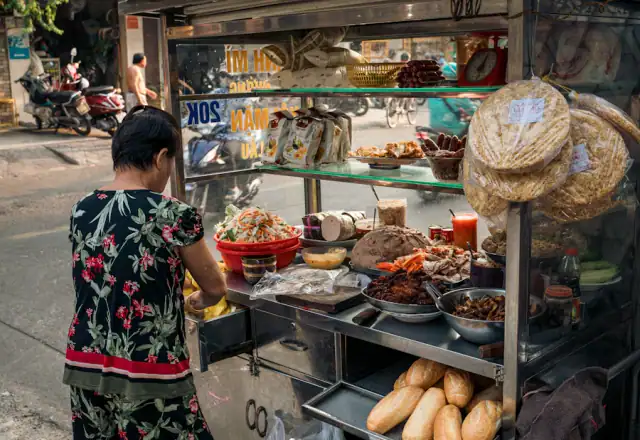
Daily routine around the commissary
Pick up supplies, load the truck, fill water, prep food and check temperatures before departure. After service, return to dump waste, clean equipment and restock. Keep a checklist for each stage. A reliable routine keeps inspectors satisfied and customers safe.
What to ask a commissary kitchen
Ask whether they provide a letter or form for your permit, what the daily and monthly fees are, what hours you can access, whether overnight parking is allowed, where you can dump gray water and grease and whether you can use cold and dry storage. Check insurance requirements and rules for generators and propane.
Marketing and community
Use social media to post locations, build a following and offer special events. Partner with breweries, offices and event organizers. Collect reviews.
Consistency of locations and quality builds loyalty.
Sample commissary day
At 7 a.m. pick up supplies and check inventory; at 8 a.m. prep and cook; at 10 a.m. load the truck, fill water and check temperatures; at 11 a.m. depart for service. After service, return to dump waste, clean the truck and equipment, log temperatures and restock. This rhythm keeps compliance simple and reduces stress.
Mistakes new truck owners make
Common errors include signing a commissary agreement without checking permit acceptance, underestimating storage needs, forgetting waste disposal rules and failing to budget for repairs. Another is ignoring the schedule of local events and permit zones. Talk to experienced truck owners before you commit.
Permits, parking and local rules
Check city rules for where you may operate, any zone restrictions and inspection schedules. Keep copies of your permits, commissary agreement and insurance in the truck. Apply early, because approvals can take weeks.
Costs and planning
Add commissary fees, fuel, permits, insurance, propane, supplies and parking to your cost model. Compare monthly agreements to hourly use, and choose a site close to your service area to save time and fuel. Revisit the plan each season.
Grow carefully
Add days, pitches or a second unit only when the first is profitable. Consider catering and private events. Review costs and the commissary plan as you grow.
Grow beyond one truck
If you add a second truck or a catering line, check that the commissary can handle the extra load, and consider private storage or prep space. Track revenue per truck and per location to decide where to expand.
Build a daily routine
A typical day: collect prepped food, load, fill water, drive, trade, return, unload, clean, empty waste and restock. Write a checklist for each step and keep logs.
- Morning check and load
- Fill water and check refrigeration
- Travel and set up
- Trade with temperature checks
- Return, clean and dispose of waste
- Restock and log the day
Food safety and inspections
Keep temperatures, hands and surfaces under control. Maintain permits and logs on the truck and be ready for inspection. Train staff.
Checking the commissary before you sign
Visit the kitchen at the time you would normally use it, and check that the loading area, water fill and waste disposal are working and accessible. Look at cleanliness, security and how many other trucks use the site. Ask for a trial period or monthly terms so that you can leave if the arrangement does not suit you.
Test pitches and events
Try several pitches and events and record sales, costs and weather. Drop poor performers and focus on the best. Build a calendar and regular customers.
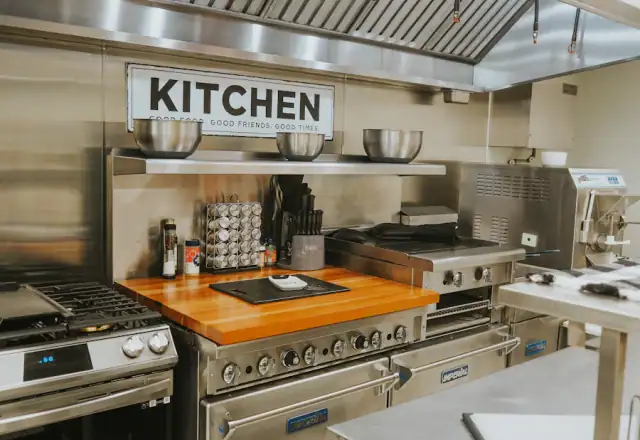
Maintenance and records for mobile units
Keep service logs for the generator, refrigeration and fire suppression system. Record cleaning, temperatures and waste disposal each day. Many cities require periodic inspections, and arriving with complete records speeds the process and prevents shutdowns.
More on starting and growing a food business
This page is part of our starting and growing a food business guide. Follow the pathways below to move up to the overview, compare alongside topics or go deeper into the detail.
Start with the overview
- Kitchen Rental Resource CenterPlain-English guides organized by what you need to do: choose a kitchen, operate safely and…
- Pricing and Rental PlansA clear explanation of what you pay for, what changes the price and how to get a quote…
- How Renting WorksSix clear steps from first inquiry to your first confirmed session, with what to prepare…
Compare alongside
- Starting a Delivery-Only Food BusinessDelivery-only brands skip the dining room but face new challenges. Learn how to launch lean…
- Starting a Meal Prep BusinessMeal prep is a repeatable weekly business, ideal for a rented kitchen. Here is a plan from…
- Starting a Packaged Food BrandSelling packaged food means more rules but also more reach. Here is how to build a brand…
- Starting a Bakery with a Rented KitchenA rented kitchen gives bakers the ovens, mixers and licensing they need without a…
Go deeper
- Kitchen Rental for Food TrucksHow food truck operators use a commercial kitchen as a commissary base: prep, storage…
- Food Truck Parking and SupportA commissary base is more than a kitchen. Check parking, water, power and waste services…
- Food Cart RentalRenting a cart and renting a kitchen are different things. Understand the difference, and…
- Kitchen Rental for Street Food VendorsPrep space, portable-kit storage and early-morning access for street food vendors working…
Frequently asked questions
Straight answers to the questions food businesses ask most about starting a food truck with a commissary.
Do I need a commissary?
Many areas require one.
Can I prep at home?
Usually not for sale.
What does a commissary include?
Parking, water, power, waste, prep and storage.
How much does a truck cost?
It varies widely. Get quotes.
How many events per week?
Start with a few and test.
Can I add catering?
Yes, with the right permits.
Put this guide into practice in a real kitchen
Tell us about your food business and the hours you need. We match you with a licensed kitchen and send a written quote.