Guide
Starting a Delivery-Only Food Business From a Ghost Kitchen
Delivery-only brands skip the dining room but face new challenges. Learn how to launch lean and profitably.
Free to inquire. We reply by email, usually within one business day.
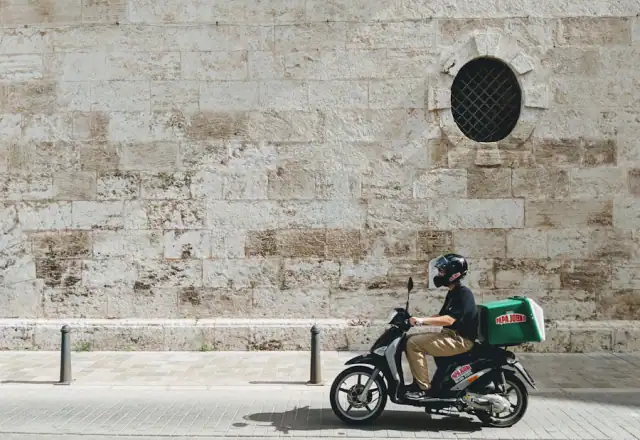
To start a delivery-only food business, choose a concept that travels well, design a short menu, register and insure the business, check permits, rent a ghost kitchen station, choose delivery platforms and your own ordering site, cost meals including commissions and packaging, test food in transit, plan packing and pickup and track orders and ratings closely.
Is a delivery-only model right for you?
Delivery-only avoids rent and front-of-house costs but depends on platforms, packaging and speed. It works for food that travels well and for owners comfortable with online marketing. Test the idea with a small menu before committing.
Register, insure and check permits
Register the business, complete food safety training and insure. Check permits for food service, virtual brands and delivery. Some platforms require documents.
See rental requirements.
A realistic cost example for a delivery brand
Imagine a burger brand selling 40 orders a day at an average ticket of 18. Revenue is 720. Ingredients and packaging take roughly 35 percent, about 252. Platform commission at 25 percent takes 180, labor for two people over the shift takes around 160 and the kitchen station costs perhaps 60 per day. That leaves about 68 per day before marketing, insurance and your own pay. The example shows why commission, packaging and ticket size matter so much, and why many delivery brands push direct orders through their own website, where no commission applies.
Legal and compliance checklist for delivery brands
Confirm your permits allow delivery, check that the platform requires specific licenses, label packaging with your brand and allergens where required and keep tamper-evident seals. Maintain temperature controls and a cleaning schedule, and insure delivery risks. Review platform terms regularly because rules and fees change.
Launch checklist
- Test concept and menu
- Register, insure and permit
- Tour ghost kitchens and trial
- Cost meals with commissions
- Test packaging in transit
- Set up platforms and own site
- Soft launch and collect feedback
- Scale gradually
Request a quote for a ghost kitchen station.
Choose a ghost kitchen
Look for a fast cooking line, packing area, courier pickup point, storage and reliable internet. Ask about operating hours, other brands and monthly costs. Tour at peak times.
See ghost kitchen rental.
Choose platforms and channels
Compare delivery platforms on commission, reach, payment timing and integration. Start with one or two and build your own ordering site for direct orders and better margins. Use promotions carefully.
Track which channels give profitable orders.

Reviews, refunds and customer recovery
Ratings drive visibility, so treat every complaint as a lesson. Respond quickly and politely, offer fair remedies and fix the cause, whether it was a missing item, a cold meal or a late courier. Record refunds by reason and look for patterns. Many problems come from packing errors, so a checklist and second check at the pickup point pays for itself. Encourage happy customers to leave reviews with a small card in the bag. Over time a strong rating lowers your marketing costs because the platform shows you to more customers for free.
Cost meals including commissions
Include ingredients, packaging, labor, kitchen fee, platform commission, delivery and refunds. Set menu prices to reflect the commission, since delivery prices are often higher than dine-in. Check margin per order.
See recipe costing and pricing your food products.
Operations: tickets, packing and pickup
Design a station layout so tickets flow from cook to packer to pickup. Train staff to check each order against the ticket. Keep pickup organized so couriers do not wait.
Packaging and presentation
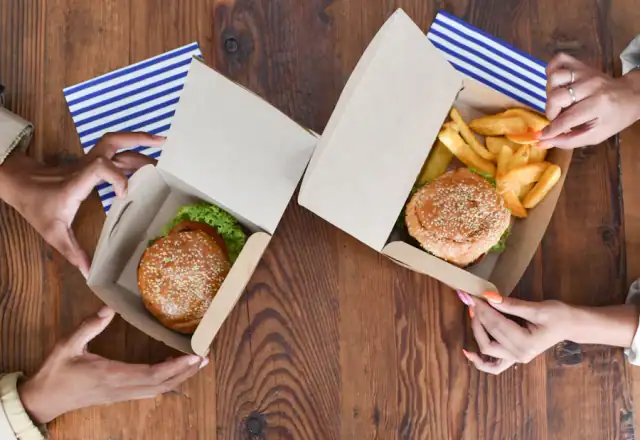
Choose packaging that keeps food hot or cold, avoids sogginess and seals securely. Use tamper-evident seals and clear labels. Test packaging with real food and journeys.
See food packaging area.
Handling peak periods and quiet hours
Delivery demand comes in waves around lunch and dinner, and weekends can double volume. Staff the line for peak and use quiet hours for prep and cleaning rather than paying idle labor. Pre-prep sauces and toppings, batch cook items that hold, and pause menu items that cannot be produced fast when the queue grows. Platforms let you throttle orders or extend prep time during rushes, which protects ratings. Track ticket time by half hour to see when the line struggles, then adjust staffing, equipment use or the menu so peaks stay profitable instead of chaotic.
Reviews, ratings and improvement
Monitor ratings and reviews daily and respond. Track ticket time, accuracy and refunds. Use feedback to change the menu and process. Reliability builds platform ranking.
Review weekly.
When to add a second brand or a bigger format
Once your first brand is stable, a second virtual brand using the same ingredients and equipment can raise revenue with little extra cost. Check that the line can handle both without slowing tickets, and that platform rules and permits allow it. Move to a larger station or a private unit if orders outgrow the space. Keep each brand’s identity clear, with its own name, photos and menu, and monitor cannibalization between them. Expand only when unit economics are proven at the current scale.
More on starting and growing a food business
This page is part of our starting and growing a food business guide. Follow the pathways below to move up to the overview, compare alongside topics or go deeper into the detail.
Start with the overview
- Kitchen Rental Resource CenterPlain-English guides organized by what you need to do: choose a kitchen, operate safely and…
- Pricing and Rental PlansA clear explanation of what you pay for, what changes the price and how to get a quote…
- How Renting WorksSix clear steps from first inquiry to your first confirmed session, with what to prepare…
Compare alongside
- Starting a Packaged Food BrandSelling packaged food means more rules but also more reach. Here is how to build a brand…
- Starting a Food Truck with a Commissary BaseA food truck is a kitchen on wheels that still needs a real kitchen behind it. Here is how…
- Testing a Food Business Idea Before a Long LeaseA cheap test teaches you more than a big plan. Here is how to validate demand before you…
- Starting a Meal Prep BusinessMeal prep is a repeatable weekly business, ideal for a rented kitchen. Here is a plan from…
Go deeper
- Cloud, Dark and Ghost Kitchen RentalDelivery-first kitchen space with rider collection and dispatch support, for brands that…
- Cloud Kitchen vs Production KitchenBoth are professional kitchens, but they are built for different jobs. This guide shows how…
- Recipe Costing for Small Food BusinessesYou cannot price well without knowing what each unit costs. Learn to cost a recipe…
- Food Packaging AreaA clean, organized packing area turns cooked food into a finished product. See what to look…
Frequently asked questions
Straight answers to the questions food businesses ask most about starting a delivery-only food business.
Do I need a dining room?
No. Ghost kitchens serve delivery only.
How many platforms should I use?
Start with one or two.
How do commissions affect prices?
Set prices to cover them.
Can I run several brands?
Often, if rules allow.
What is the key metric?
Ticket time and accuracy.
How long to profitability?
It varies. Track unit economics.
Put this guide into practice in a real kitchen
Tell us about your food business and the hours you need. We match you with a licensed kitchen and send a written quote.