
Guide
Standardizing Recipes Across Production Runs
Customers notice inconsistency instantly. A standard recipe makes your product repeatable, trainable and costable.
Free to inquire. We reply by email, usually within one business day.
To standardize a recipe, convert it to weights, record every step with times, temperatures and equipment settings, define yield and quality targets, test at production size, adjust and lock the formula, train staff and update the document when anything changes. A written standard makes products consistent, costs accurate and training faster.
Why standardize
A standard recipe is the basis of consistency, costing and training. Without it, quality depends on who is cooking and how they feel. With it, anyone trained can produce the same result, which is what retailers and customers expect.
It also lets you scale and delegate.

Use weights, not volumes
Cups and spoons vary. Weigh every ingredient in grams, including liquids where practical. Weigh small amounts accurately with precise scales.
Record the weight of each ingredient and the total batch weight.
Common mistakes when writing production recipes
Typical errors include leaving out tool sizes, mixing weight and volume units, hiding critical timing in a paragraph and forgetting to record the yield. Another is writing for yourself, assuming knowledge that a new cook does not have. Ask someone unfamiliar with the product to follow the card exactly, and fix every point where they hesitate or guess.
Build in checks that catch errors early
Add checkpoints to the recipe: weigh the batch, check temperature at a key stage, taste a spoonful, confirm label and allergen before packing. Keep a simple batch record with date, cook, quantities and results. These checks catch mistakes before the product leaves the kitchen and give you evidence in case of complaint or inspection. They also reveal patterns, such as a particular oven that runs hot, which you can fix at the source.
Weigh everything and fix the method
Volume measures vary, a cup of flour can differ by thirty grams, so weigh ingredients on a calibrated scale. Fix the order of addition, mixing speed and time, resting periods and oven settings. Note where judgment is unavoidable, such as dough feel, and describe it with a photo or a clear test. Run the recipe three times with different cooks, compare the results and tighten any step that produces variation. A recipe that works for three people will work for the fourth.
Training staff using the recipe card
Walk through the card with the new cook, demonstrate the method once, then watch them do it. Check the result against the photo, record the sign-off and review after the first few batches. Consistency comes from clear instructions and practice.
Record the method
Write each step in order with times, temperatures, equipment, speeds and checks. Note when to rest, proof or cool.
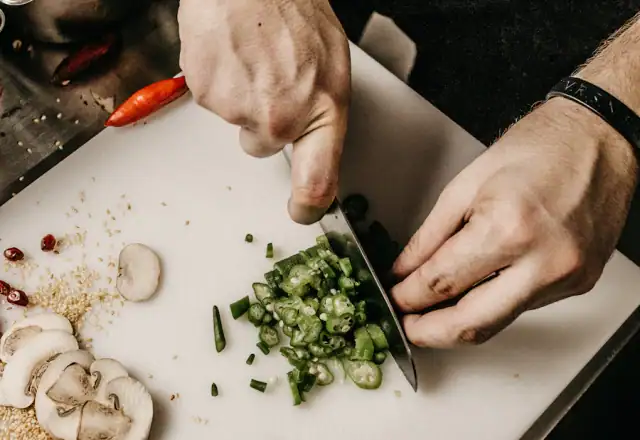
- Weigh ingredients
- Mix in set order and time
- Check dough or batter temperature
- Rest or proof for a set time
- Cook or bake to target
- Cool and pack as specified
Auditing consistency over time
Every month, pick a product at random, compare a fresh batch with the recipe card and the reference photo, and note differences in weight, color, texture and taste. If results drift, retrain the team or fix the recipe. Regular audits stop slow changes from turning into customer complaints.
Version and review
Date each version, record changes and why, and keep old versions. Review annually or when ingredients change.
Share changes with the team.
Define yield and targets
State the expected yield, portion size and quality criteria such as color, texture, weight and flavor. Provide photos of the target.
These make it clear what good looks like.
Version control and recipe changes
Recipes change as suppliers, prices and tastes change. Give each recipe a version number and date, note what changed and why, and remove outdated copies from the kitchen. Test a change in a small batch before you roll it out, and update costing and labels if ingredients or allergens differ. Tell everyone who uses the recipe. Version control protects consistency and helps you trace a quality problem to the change that caused it.
What a production recipe contains
A home recipe may say a handful of this and cook until done. A production recipe states ingredients by weight, the equipment and tool sizes, batch yield, step-by-step method, times and temperatures, critical control points, allergens, storage and shelf life. It also gives a target appearance and taste so that a new cook knows when the product is right. Writing all this down feels slow at first but saves hours in training, prevents arguments about how it is made and makes costing accurate.
Use the standard for cost and labels
Link the recipe to costing and labels so changes update everything.
See recipe costing and batch coding.
Test at production size
Run the recipe at the intended batch size, record results and adjust. Repeat until consistent. Keep notes of changes.

Control critical points
Identify steps that matter most, such as temperature or time, and add checks. Use thermometers and timers. Record readings.
Train staff on the standard
Walk through the recipe, demonstrate and watch staff do it. Keep the document at the station.
Check results and give feedback.
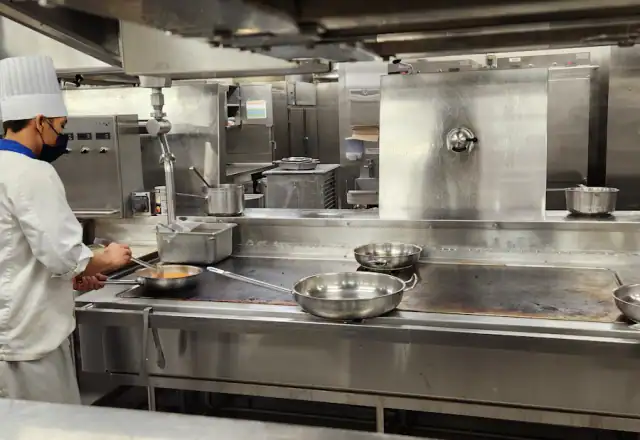
Using standard recipes to train and grow
A standard recipe is the foundation of training. Walk new staff through each step, let them cook under supervision, and sign them off when results match the standard. It also allows you to hire help for busy weeks, rent kitchen hours in a different location without relearning the process and supply wholesale customers with consistent product. When you scale, review each recipe again, because larger batches and different equipment may require new instructions.
Template for a production recipe card
- Product name, version and date
- Batch size and yield
- Ingredients by weight
- Equipment and tool sizes
- Numbered method with times and temperatures
- Critical control points and checks
- Allergens, storage and shelf life
- Photo of the finished product
Use the same template for every product so that staff know where to look.
More on starting and growing a food business
This page is part of our starting and growing a food business guide. Follow the pathways below to move up to the overview, compare alongside topics or go deeper into the detail.
Start with the overview
- Kitchen Rental Resource CenterPlain-English guides organized by what you need to do: choose a kitchen, operate safely and…
- Pricing and Rental PlansA clear explanation of what you pay for, what changes the price and how to get a quote…
- How Renting WorksSix clear steps from first inquiry to your first confirmed session, with what to prepare…
Compare alongside
- Designing a Menu for Efficient ProductionA smart menu is shorter, shares ingredients and fits your equipment. It saves hours and…
- Scaling from Small Batches to Larger ProductionMore volume is not just bigger pots. Learn what changes when you scale and how to keep…
- Photographing Food Products in a Kitchen StudioGood photos sell food. Learn how to light, style and shoot your products in a commercial…
- Preparing for Seasonal Production PeaksPeaks make or break a food year. Plan capacity, ingredients and cash early so busy weeks…
Go deeper
- Test and Development Kitchen HirePrivate space and professional equipment to develop recipes, run trials and prepare samples…
- Recipe Costing for Small Food BusinessesYou cannot price well without knowing what each unit costs. Learn to cost a recipe…
- Starting a Bakery with a Rented KitchenA rented kitchen gives bakers the ovens, mixers and licensing they need without a…
- Mixers and Dough EquipmentBatch capacity, attachments and training decide how much dough, batter and filling you can…
Frequently asked questions
Straight answers to the questions food businesses ask most about standardizing production recipes.
Can I use cups?
Better to weigh for accuracy.
How many tests do I need?
Until results are consistent, often three to five.
What if an ingredient changes?
Retest and update.
Who owns the recipe?
You do. Keep it secure.
Do I need photos?
They help define the target.
How often to review?
Annually or on change.
Put this guide into practice in a real kitchen
Tell us about your food business and the hours you need. We match you with a licensed kitchen and send a written quote.