Who uses the kitchen
Kitchen Rental for Plant-Based Food Brands
How plant-based and vegan brands can protect their claims in a shared kitchen: ingredient separation, cleaning, labeling and production workflow.
Free to inquire. We reply by email, usually within one business day.
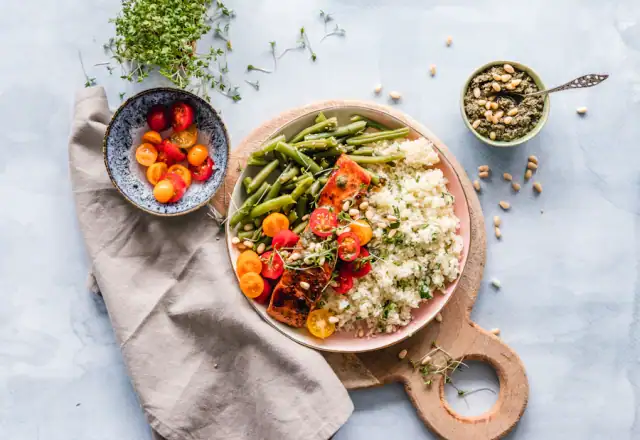
Plant-based brands rent commercial kitchens to produce vegan and plant-based foods in a licensed space. In a shared kitchen, protect your claims by separating animal-derived ingredients, using dedicated or thoroughly cleaned equipment, labeling accurately and scheduling production carefully, or choose a private kitchen where you control every ingredient.
Why plant-based brands rent commercial kitchens
The plant-based food market is growing quickly, and new brands often start in rented kitchens. Renting offers licensed space, professional equipment and the flexibility to test products, build a following and refine recipes without the cost of building a facility.
Plant-based founders have an extra consideration: customers expect products to be free of animal ingredients, and many care about cross-contact. That puts pressure on how you choose and use a kitchen. A well-managed shared kitchen can work, but you need clear controls.
Choosing between shared and private space
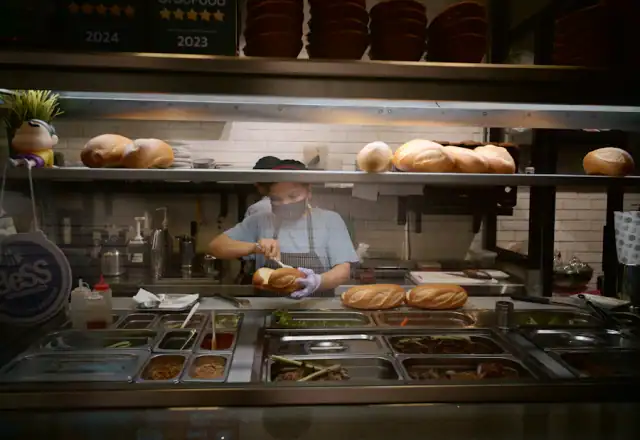
The more strict your claims, the more control you need. If your brand is built on being fully vegan and customers are sensitive, a private kitchen removes the risk of other users’ ingredients and gives you the ability to set your own standards. If you are starting out, a shared kitchen with strong controls may be enough.
Ask the operator how many tenants handle animal products, whether any equipment can be dedicated to you and whether the kitchen can reserve plant-based or allergen-controlled times. These answers help you decide.
Production workflow for plant-based foods
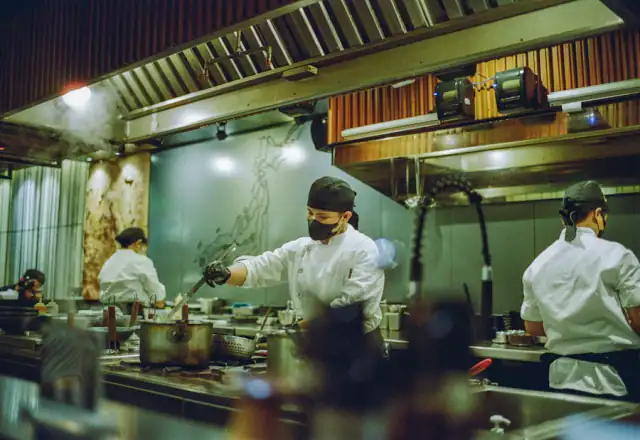
Plant-based foods vary from fresh meals and sauces to baked goods, dairy alternatives and snacks. Many rely on soaking, blending, fermenting, heating or setting, each needing equipment such as high-powered blenders, kettles, ovens and refrigeration. Plan your workflow around your product, and test it at batch size.
Some plant-based products, such as nut milks and fermented foods, have short shelf lives and strict safety needs. Control temperature, cleanliness and timing carefully, and keep records. Our guide to designing a food preparation workflow can help.
Labeling and claims
Labels must be accurate. Terms such as vegan, plant-based and dairy-free have different meanings for customers and sometimes for regulators. List ingredients fully, declare allergens, and avoid claims you cannot support. If you claim a product is free from an allergen, be sure your process truly prevents cross-contact.
Check food labeling rules and local requirements, especially if you plan to sell through retail or wholesale. Accurate labels build trust and protect you from complaints and recalls.
Storage and shelf life
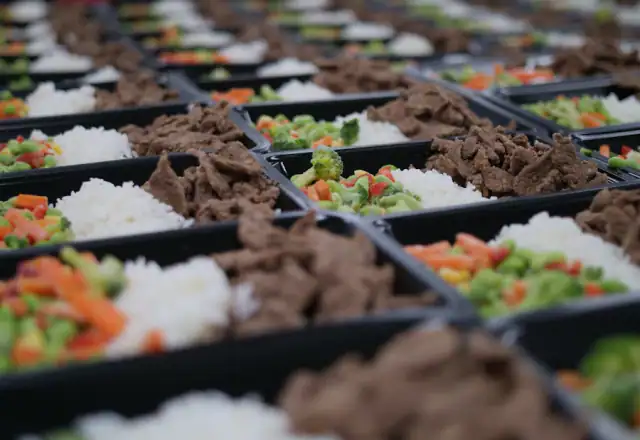
Plant-based products need appropriate storage. Fresh products need refrigerated space at or below 41°F, frozen items need freezer space and dry ingredients need clean, labeled shelves. Ask about space allocated to you and how it is kept separate from animal products.
Test shelf life carefully, particularly for fresh and fermented items, and label with use-by dates. See refrigerated storage and planning shelf-life testing.
Costs and growth
Most plant-based brands start with shared rental, then move to private or production space as volume grows and standards tighten. Track your cost per unit and consider how much you are willing to pay for added control.
A short trial in a shared kitchen shows what controls work for you. Request a quote or book a tour to discuss ingredient separation and see the space.
Questions plant-based brands should ask the operator
- How many tenants work with meat, dairy, eggs or fish?
- Can I reserve dedicated equipment or storage for plant-based production?
- How is equipment cleaned between users, and can I verify it?
- Can you schedule plant-based sessions after deep cleaning?
- What documentation can you give me for retailers or auditors?
- Can I move to a private unit if my claims require it?
Sourcing and supplier checks for plant-based products
Plant-based claims depend on your suppliers as well as your kitchen. Ingredients can contain hidden animal-derived components such as certain colorings, enzymes or processing aids. Ask suppliers for specification sheets and keep them on file, and reconfirm when products change.
Choose suppliers who can provide traceability and allergen information. If you work with a limited number of trusted suppliers, you can verify claims more easily and respond quickly when a customer or retailer asks questions. Good supplier records are among the strongest proof of a plant-based claim.
More on who uses a rented kitchen
This page is part of our who uses a rented kitchen guide. Follow the pathways below to move up to the overview, compare alongside topics or go deeper into the detail.
Start with the overview
- Commercial Kitchen RentalEverything you need to choose between shared, private, hourly, ghost and production…
- Pricing and Rental PlansA clear explanation of what you pay for, what changes the price and how to get a quote…
- How Renting WorksSix clear steps from first inquiry to your first confirmed session, with what to prepare…
Compare alongside
- Kitchen Rental for Small Food ManufacturersRepeatable production, batch control and dispatch for growing food manufacturers who have…
- Kitchen Rental for Beverage ProducersWhich beverage processes a rented kitchen can support, plus water, refrigeration, packaging…
- Kitchen Rental for Restaurant GroupsHow restaurant groups consolidate prep in a rented central kitchen to improve consistency…
- Kitchen Rental for Packaged Snack BrandsBaking, frying, seasoning and packing capacity for snack makers, plus the storage and…
Go deeper
- Shared Kitchen RentalAllocated workstations, shared professional equipment and clear scheduling, the most…
- Private Kitchen RentalExclusive access to your own licensed kitchen unit, on your schedule, with your equipment…
- Kitchen Rental for Food StartupsA practical plan for launching a food business with a rented kitchen: entry plans, trials…
- Allergen Management in a Shared KitchenAllergen safety is a team effort in a shared kitchen. Learn how to assess risk, separate…
Frequently asked questions
Straight answers to the questions food businesses ask most about kitchen rental for plant-based brands.
Can I make vegan food in a shared kitchen?
Yes, with good controls: separate storage, clean or dedicated equipment and careful scheduling. Stricter claims may need private space.
Will animal products be used near my products?
Possibly, in a shared kitchen. Ask how the operator separates tenants and whether you can reserve quiet times.
Do I need a private kitchen for a vegan brand?
Not always, but it gives you the most control over ingredients and cross-contact.
Can I make a vegan claim on my labels?
Only if your process and ingredients support it. Be accurate and check labeling rules.
How do I protect plant-based products from allergens?
Use dedicated tools, store separately, clean thoroughly and consider allergen-controlled times.
Can I test a plant-based product before launching?
Yes. Hourly or short-term rental is a good way to trial recipes and workflows.
Can I get a certificate for vegan production?
Some third-party schemes certify vegan products and facilities. Ask the operator what documentation they can support.
Get matched with a kitchen for your business
Share what you make and how often you cook. We check real kitchens and reply with options and prices.