Guide
Calculating Oven Capacity for Production: Trays, Cycles and Throughput
Oven time is the limit for most bakers. Learn to turn trays, bake times and changeovers into a realistic output figure.
Free to inquire. We reply by email, usually within one business day.
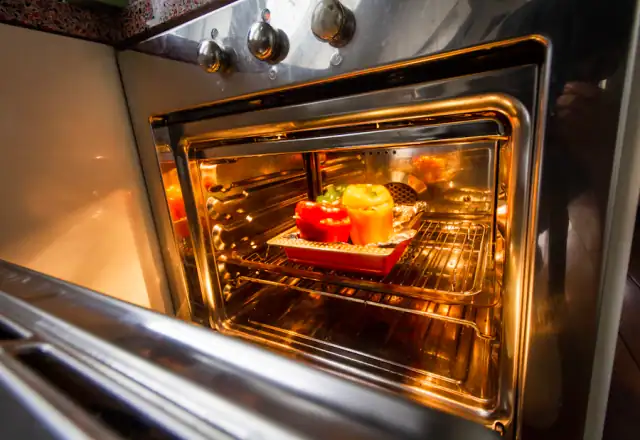
To calculate oven capacity, multiply trays per load by loads per hour, where loads per hour depends on bake time plus changeover and heat recovery. Subtract time for loading, unloading and preheating, then multiply by the hours you book. Test with a trial bake, since real output is usually 10 to 25 percent lower than the theory.
Why capacity planning matters
The oven decides how much a baker can sell. A rented oven is paid for by the hour, so knowing exactly how many trays it can bake in your slot turns guesswork into a plan. It tells you whether your orders fit, how many hours to book and whether you need a bigger oven or a second session.
It also prevents the classic mistake of promising more than the oven can deliver on a busy weekend.
This guide gives a simple method you can adapt to any oven and product.

Know your oven and trays
Find out the oven type, the number of racks or decks, the tray size and the temperature range. A convection oven with a single rack holds far less than a rack oven holding a full trolley. Check whether you must use specific trays and whether your product fits.
Measure usable space with your pans, not just the stated size. Check heat recovery, which affects how fast successive loads bake. See ovens and baking equipment.
Use a simple oven schedule
Draw a timeline with the oven rack space across the top and time down the side, then place each batch with its bake time, rotation and cooling. Note the preheat time and the temperature recovery between batches. Seeing the schedule on paper reveals idle gaps and clashes before you pay for the session.
Improve throughput without extra hours
Use consistent tray sizes, load racks quickly, rotate trays at set times and prepare the next batch while the current one bakes. Check the oven temperature with a separate thermometer, since inaccurate settings waste time. Group items that bake at the same temperature to reduce waiting for the oven to change.
The basic formula

- Trays per load: number of racks × trays per rack
- Cycle time: bake time + loading and unloading + heat recovery
- Loads per hour: 60 divided by cycle time in minutes
- Trays per hour: trays per load × loads per hour
- Output per hour: trays per hour × units per tray
- Output per session: output per hour × usable oven hours
Include preheating at the start and any cooldown at the end in the usable hours, since the oven is not baking during those periods.
A worked example
An oven holds 10 trays per load. A cookie bakes for 14 minutes, loading and unloading take 4 minutes and the oven needs 2 minutes to recover. The cycle is 20 minutes, so three loads per hour, or 30 trays. At 24 cookies per tray that is 720 cookies per hour. In a five-hour slot with 30 minutes for preheating, the usable time is four and a half hours, or about 3,240 cookies.
Apply a 15 percent realism discount and you plan for about 2,750. If an order needs more, book more hours, use a second oven or split production across sessions.
Adjust for products and batches
Different products bake at different temperatures and times, and changing between them costs time as the oven heats or cools. Group products by temperature to reduce changeovers. Note which items can bake together, and which must be separate because of flavor transfer or allergens.
Moisture and load also matter. A full oven bakes slower than a half-empty one, so test with your real load.
Record actual results for each product.
Choosing between more hours and more ovens
If the oven is the bottleneck, you can add hours, use another oven or move to a larger format. More hours cost money but are flexible. A second oven in the same session doubles capacity but must be available. A private kitchen with dedicated ovens gives control but costs more. Compare the cost per tray of each option and choose the cheapest that meets your demand.
See private kitchen rental and pricing.
Account for passive and parallel steps
Mixing, shaping, proofing and cooling run alongside baking. If the oven is the bottleneck, make sure other stages keep it loaded. If shaping lags, the oven sits empty. Plan so that trays are ready before the oven is.
Proofing space and cooling racks can become the real limit, so count them too. See planning a batch production schedule.
A balanced line matches oven capacity to the rest of the workflow.
Test, then plan your bookings
Run a trial bake with a timer and record real loads per hour, losses and rework. Replace theoretical numbers with measured ones. Then calculate how many hours you need for typical and peak weeks and book accordingly.
If the oven limits growth, ask about a private kitchen with dedicated ovens, or add overnight sessions. See bakery kitchen rental.
Review capacity whenever you add products.

Improving oven efficiency
Preheat early but not too early, load quickly to limit heat loss and use all racks evenly. Rotate trays if the oven has hot spots, and keep door openings short. Use consistent portioning so bake times are predictable, and avoid overloading, which slows baking. Record temperatures and times for each product to refine your settings.
Small gains in efficiency add up over many sessions.
Planning for peak days and seasons
Peak weeks can double demand, and oven capacity does not stretch. Plan peaks by calculating the output you need, comparing it with what your usual slot delivers and adding sessions or hours. Book early, because other bakers want the same time. Consider baking some products ahead and freezing, or using a short-term rental for extra ovens. Make a peak plan at least a month before and check it against your supplier schedules.
A peak plan that fits within your booked oven hours avoids last-minute stress.
More on running a rented kitchen
This page is part of our running a rented kitchen guide. Follow the pathways below to move up to the overview, compare alongside topics or go deeper into the detail.
Start with the overview
- Kitchen Rental Resource CenterPlain-English guides organized by what you need to do: choose a kitchen, operate safely and…
- Pricing and Rental PlansA clear explanation of what you pay for, what changes the price and how to get a quote…
- How Renting WorksSix clear steps from first inquiry to your first confirmed session, with what to prepare…
Compare alongside
- Planning Refrigeration CapacityCold space is limited and expensive. Learn to size it from your real flow of ingredients…
- Designing a Food Preparation WorkflowA good workflow moves product in one direction with no backtracking. Learn how to map and…
- Ingredient Inventory and Stock RotationKnowing what you have, and using the oldest first, saves money and keeps food safe. Here is…
- Scheduling Staff in a Shared KitchenMore people in a shared kitchen means more coordination. Learn how to schedule roles…
Go deeper
- Ovens and Baking EquipmentA baker’s guide to ovens and baking equipment in a rented kitchen: oven types, tray sizes…
- Bakery KitchenWhat bakers need from a rented commercial kitchen: oven capacity, mixers, proofing, cooling…
- Planning a Batch Production ScheduleA written schedule turns a chaotic production day into a repeatable routine. Learn how to…
- Starting a Bakery with a Rented KitchenA rented kitchen gives bakers the ovens, mixers and licensing they need without a…
Frequently asked questions
Straight answers to the questions food businesses ask most about calculating oven capacity for production.
How do I find trays per load?
Count racks times trays per rack, checking your pans fit.
Why is real output lower than theory?
Loading time, recovery and rework reduce it.
Can I bake different products together?
Only if temperatures and allergens allow.
What if I need more capacity?
Book more hours, use a second oven or move to a larger format.
Does oven type change the calculation?
Yes. Rack ovens, decks and convection ovens differ.
Should I include preheating?
Yes, as non-productive time.
Put this guide into practice in a real kitchen
Tell us about your food business and the hours you need. We match you with a licensed kitchen and send a written quote.