
Guide
Questions to Ask on a Commercial Kitchen Tour
A tour is your best chance to judge a kitchen. Bring this checklist so you leave with the answers you need to decide.
Free to inquire. We reply by email, usually within one business day.
On a commercial kitchen tour, check equipment capacity and availability, storage, access hours, parking and loading, cleanliness, rules, insurance and permissions, and total costs. Bring your product list and recipes, test your workflow on the actual stations, and ask every operator the same questions so that you can compare answers side by side.
Prepare before you visit
A tour is short, so preparation makes it useful. Write down what you make, how often you will cook and which equipment each product needs. Note your storage needs and your preferred hours. Bring a list of questions, copies of your certificates and, if allowed, a sample of a trial recipe.
Decide what would make you say no, such as a missing piece of equipment, unsuitable hours or unclear costs, so you can spot deal-breakers quickly.
If you are visiting several kitchens, use the same checklist and score each one so that comparison is fair.
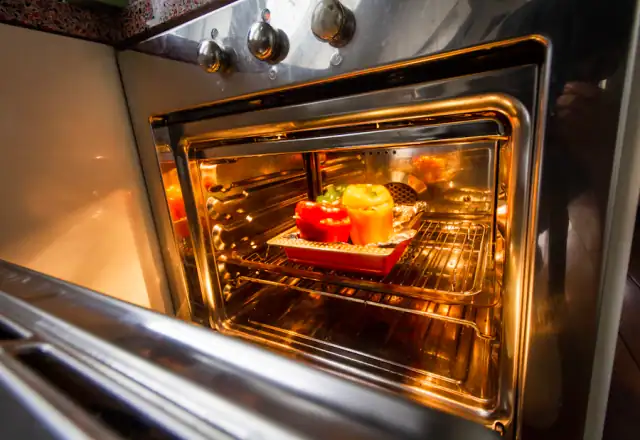
Capacity and equipment
- Which equipment is available at my hours and how is it reserved?
- What are the capacities, tray sizes and power types?
- Is there anything I need that is missing?
- Who maintains equipment and how fast are repairs?
- Can I bring my own small equipment?
- What training is required before I use equipment?
Stand at the station you would use and imagine a full session. Check reach, bench space and distance to the cooler and sink. See equipment and facilities for what to expect.
After the tour: compare and decide
Write a short comparison: equipment fit, cost, access, cleanliness, rules and flexibility. Check the written quotes against your notes and ask follow-up questions about anything unclear. Sleep on it before you decide.
When you are ready, book a tour of another kitchen to compare, or request a quote to move forward.
Questions about the operator and community
Ask how long the kitchen has operated, how many tenants use it, how issues are resolved and whether tenants collaborate or share deliveries. A healthy community and a responsive operator are valuable. Ask whether you can speak with a current tenant, and what the operator does when tenants have disputes.
The answers tell you about culture, which matters as much as equipment over a long rental.
Red flags to watch for
- Reluctance to show wash-up, storage or waste areas
- Vague answers about costs, hours or availability
- Dirty equipment, floors or sinks
- No clear rules on allergens, cleaning or guests
- Pressure to sign on the day
- Missing license, insurance or inspection information
One red flag may be explainable; several together are a reason to look elsewhere.
What to do immediately after the tour
Write notes while the visit is fresh, score the kitchen against your list and send follow-up questions by email so that answers are in writing. Compare quotes on the same assumptions and check any gaps. If you like a kitchen, ask for a trial session before committing to a longer plan.
Storage and logistics
Ask how much dry, chilled and freezer space you could have, how it is secured and how it is charged. Check where deliveries arrive, how far goods travel to storage and where vehicles park. Visit at a busy time if possible to see how the loading area works.
Review dry storage, refrigerated storage and loading access before your visit so that your questions are specific.

Test your workflow
If you can, ask to run a short mock session: unpack your containers, walk through your steps and see whether the layout works. Time how long it takes to get from storage to station to packing. Small frustrations on a tour become big costs over a year.
Take photographs where allowed and notes immediately afterward, while the details are fresh.
Cleanliness and condition
Look at the details: floors, drains, hoods, sinks, storage and toilets. A kitchen that is proud of its standards will show you everything, including the wash-up and waste areas. Check labeling in storage, pest control signs and how clean equipment looks when not in use.
Notice how staff and other tenants behave. Tidy, organized people usually mean a well-managed kitchen. Untidy shelves and overflowing bins are warning signs.
Access, security and hours
Ask how you enter, what hours you can use and how visitors and deliveries are managed. Our kitchens are open 24 hours a day, 7 days a week, but access depends on your plan. Check lone-working rules, parking, lighting and what happens in an emergency.
See kitchen security and access for what good looks like.
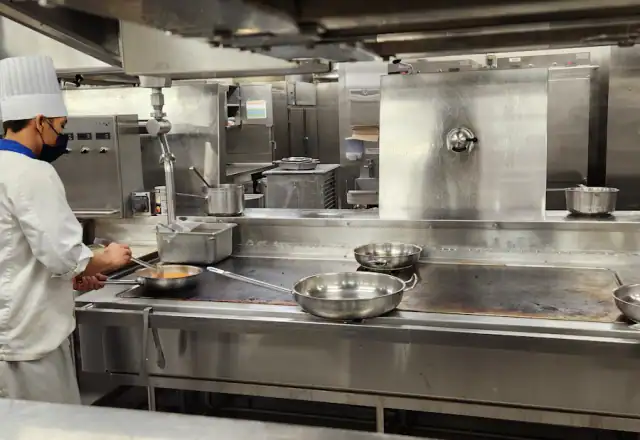
Rules, allergens and compliance
Ask for the written rules and read them. Check how allergens are controlled between tenants, what cleaning standard applies and what documents you must provide. Ask about inspections, licensing and insurance requirements, and whether the operator can supply proof of its own license.
See the kitchen rules and rental requirements for the standards we apply.
Scoring sheet for comparing kitchens
Create a simple one-to-five score for each kitchen on equipment fit, cleanliness, storage, access hours, rules, price clarity and staff helpfulness. Total the scores after each visit and note the biggest strengths and concerns. A numeric comparison cuts through the blur of several tours in a week and keeps the decision rational rather than emotional.
Weight the factors that matter most to you. A baker may double the score for oven access, while a caterer may double loading access.
After the tour: compare and decide
Write down your impressions the same day while they are fresh. Score each kitchen on cleanliness, equipment condition, storage, access hours, transparency about costs and the attitude of the staff. Request a written quote and rules document from each, and compare total monthly cost, not just the hourly rate. Ask for a trial session before committing to a longer plan.
Costs, terms and flexibility

- What is the base rate and how is time counted?
- What extras and fees might apply?
- What deposit is required and how is it returned?
- What are the notice and cancellation terms?
- Can I change plans as I grow?
- Can I have a written quote?
Ask for everything in writing. See extra charges to check before renting.
More on choosing and renting a kitchen
This page is part of our choosing and renting a kitchen guide. Follow the pathways below to move up to the overview, compare alongside topics or go deeper into the detail.
Start with the overview
- Kitchen Rental Resource CenterPlain-English guides organized by what you need to do: choose a kitchen, operate safely and…
- Pricing and Rental PlansA clear explanation of what you pay for, what changes the price and how to get a quote…
- How Renting WorksSix clear steps from first inquiry to your first confirmed session, with what to prepare…
Compare alongside
- Choosing the Right Kitchen SizeToo small and you are stuck; too big and you pay for empty space. Learn to size a kitchen…
- How Much Kitchen Time Should You Book?Most renters book too little time. Use this method to estimate every stage of a session and…
- Understanding a Kitchen Rental AgreementA rental agreement sets the rules for your business relationship. Know what each clause…
- Extra Charges to Check Before RentingThe base rate rarely tells the whole story. Use these questions to uncover extra charges…
Go deeper
- Book a Kitchen TourSee the equipment, test your workflow and ask the questions that matter. Tours are free…
- Equipment and FacilitiesA practical checklist of the equipment, storage and support facilities that matter when you…
- Kitchen Rules and HygieneClear standards protect your food, your reputation and the other businesses using the…
- Commercial Kitchen Rental Cost GuideRental cost is not one number. This guide breaks it into drivers you can estimate, so you…
Frequently asked questions
Straight answers to the questions food businesses ask most about questions to ask on a kitchen tour.
How long does a tour take?
About 30 minutes, longer if you want to test a workflow.
Should I tour more than one kitchen?
Yes. Comparing two or three makes differences obvious.
Can I take photos?
Usually in common areas. Ask first and avoid photographing other tenants.
Can I do a trial session before signing?
Often yes, as an hourly booking.
What documents should I bring?
Certificates, registration and insurance details if you have them.
What if I cannot visit in person?
Ask for a video walkthrough.
Put this guide into practice in a real kitchen
Tell us about your food business and the hours you need. We match you with a licensed kitchen and send a written quote.