
Guide
What Is Commercial Kitchen Rental? A Plain-English Guide
Everything a first-time renter needs to understand before comparing kitchens, from how the model works to what is usually included.
Free to inquire. We reply by email, usually within one business day.
Commercial kitchen rental lets a food business use a licensed, equipped professional kitchen on a flexible basis instead of building or leasing its own. You rent by the hour, week, month or project, share or reserve equipment and storage, and take responsibility for your own permits, insurance and food safety practices.
The problem rental solves
Starting a food business usually runs into the same wall: you need a licensed space to prepare food for sale, and building one is expensive. Fit-out, ventilation, plumbing, refrigeration and inspections can cost more than most founders have, and the product may change before it finds customers. Home kitchens, in most places, cannot be used for most commercial food sales because local rules require inspected facilities.
Commercial kitchen rental removes that barrier. Someone else holds the license, buys the equipment and keeps the building compliant, and you pay for the time and space you actually use. The result is professional capability at a fraction of the risk.
This guide explains how that works in practice, so you can judge whether renting fits your business and what to ask when you start comparing options.
How rental works day to day
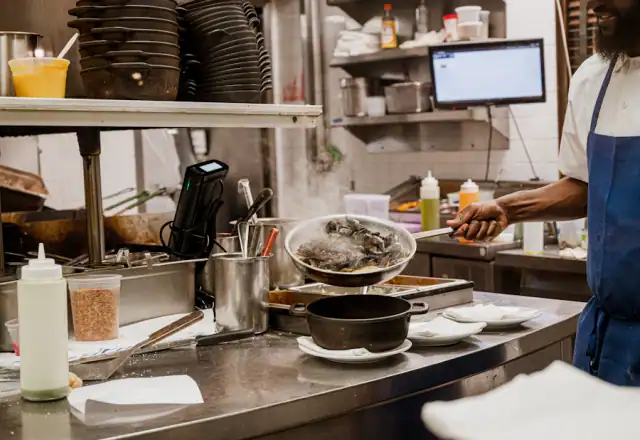
In a typical arrangement you complete onboarding, receive access and book time. During your slot you use an allocated workstation and the shared equipment you have been inducted on, then clean down and leave. Storage for ingredients and finished product may be included or added, and your agreement sets out hours, cleaning standards and responsibilities.
Payment follows the format. Hourly renters pay per booked session, members pay monthly for a block of hours and private tenants pay a lease-style fee. Deposits are standard, and extra charges such as overrun or specialty equipment should be listed in writing.
Think of the kitchen as a service with rules, not just a room. The best operators combine good space with clear processes, so that dozens of businesses can share it safely.
What is usually included

- Commercial cooking equipment under extraction, such as ranges, ovens and fryers
- Stainless steel prep benches, sinks and handwashing stations
- Commercial dishwashing and a three-compartment sink
- Utilities including water, gas and electricity
- Access to dry, chilled or frozen storage, often as an add-on
- Waste and grease handling
Inclusions vary, so treat any list as a starting point and confirm it in writing. See equipment and facilities for a checklist to use on a tour, and the pricing page for how charges are built.
Vocabulary you will meet
Rental language overlaps. A commissary is a licensed kitchen that supports food trucks and caterers. A shared or community kitchen is used by several businesses. An incubator kitchen adds mentoring to shared space. A ghost, cloud or dark kitchen serves delivery-only brands. A production kitchen cooks in bulk. Knowing the terms helps you compare offers that use different names for similar things.
When a listing uses an unfamiliar term, ask what it means in practice: who uses the space, what equipment is available and what hours you can book.
Common myths about renting a kitchen
One myth is that renting is only for beginners. In reality, established brands rent to add capacity, test products or cover busy seasons without risking their main site. Another myth is that shared kitchens are chaotic. Well-run ones use clear scheduling and strict cleaning rules, which often makes them tidier than a typical restaurant kitchen. A third myth is that renting always costs more than owning. Once you count fit-out, repairs, insurance and empty time, renting is usually cheaper until volume is high and steady.
Questioning these assumptions saves money, because many founders delay renting for months while they search for a cheaper alternative that does not exist.
How to prepare before your first inquiry
A good inquiry is specific. Write down what you make, how often you plan to cook, which equipment you need, what storage you need and when you want to start. Gather your business registration, certifications and an insurance quote so that onboarding does not stall. The more precisely you describe your needs, the faster an operator can recommend a format and send an accurate quote.
Our rental process page shows the steps, and the requirements checklist lists the documents most operators expect.
The main rental formats
Different formats suit different businesses. A shared kitchen gives allocated time and equipment at the lowest cost, a private kitchen gives exclusive use, hourly rental suits occasional work and a ghost kitchen is built for delivery-only brands. Production kitchens serve bulk batch cooking.
| Format | Best for | Typical commitment |
|---|---|---|
| Shared | Startups and regular small producers | Monthly or booked shifts |
| Private | Teams needing control | Contract |
| Hourly | Trials and events | None |
| Ghost | Delivery brands | Monthly |
| Production | Bulk and distribution | Monthly or contract |
What you are still responsible for
Renting a licensed kitchen does not license your business. You remain responsible for registration, food safety training, liability insurance and any permits for your product and sales channel. You also own your recipes, labeling, allergen declarations and the safety of the food you make.
Operators check these documents during onboarding because their own license and insurance depend on tenants behaving safely. The rental requirements page lists what is usually needed, and local rules vary by state and county.
Treat compliance as part of the cost of doing business, not a hurdle to clear once. Certificates expire, insurance renews and permits come due on a schedule you need to track.

Is renting right for you?
Renting suits businesses that want to start quickly, keep fixed costs low and learn before investing. It is less suited to businesses that need a customer-facing shopfront, exclusive 24-hour control of unusual equipment or very large, steady volumes where owning is cheaper. Many businesses rent for years and move on only when volume justifies it.
- You want to test a product without a long lease
- You cook regularly but do not need a full building
- You need licensed space to sell wholesale or retail
- You value flexibility to change format as you grow
If most of these apply, renting is probably your best first step.
Your next steps
Start by deciding how often you will cook and what equipment your recipes need, then compare formats. Visit a kitchen, ask the questions on our tour checklist, and read the agreement carefully. If you are comparing with building your own space, work through the rent versus build guide.
When you are ready, book a tour or request a quote. Both are free and carry no obligation, and both help you turn general understanding into a concrete plan.

More on choosing and renting a kitchen
This page is part of our choosing and renting a kitchen guide. Follow the pathways below to move up to the overview, compare alongside topics or go deeper into the detail.
Start with the overview
- Kitchen Rental Resource CenterPlain-English guides organized by what you need to do: choose a kitchen, operate safely and…
- Pricing and Rental PlansA clear explanation of what you pay for, what changes the price and how to get a quote…
- How Renting WorksSix clear steps from first inquiry to your first confirmed session, with what to prepare…
Compare alongside
- Shared vs Private Kitchen RentalShared kitchens cost less and private kitchens give control. This guide shows how to decide…
- Your First Day in a Rental KitchenYour first session sets the pattern for everything after it. Use this checklist to start…
- Commercial Kitchen vs Home KitchenA home kitchen can start a business, but it rarely scales. See the real differences in…
- Moving from One Rental Kitchen to AnotherChanging kitchens does not have to interrupt production. This plan keeps your orders, stock…
Go deeper
- Commercial Kitchen RentalEverything you need to choose between shared, private, hourly, ghost and production…
- Commercial Kitchen Rental Cost GuideRental cost is not one number. This guide breaks it into drivers you can estimate, so you…
- Questions to Ask on a Kitchen TourA tour is your best chance to judge a kitchen. Bring this checklist so you leave with the…
- Request a Rental QuoteTell us about your production and get a clear, written quote built around your hours…
Frequently asked questions
Straight answers to the questions food businesses ask most about what is commercial kitchen rental?.
Is commercial kitchen rental legal for selling food?
Generally yes, provided the kitchen is licensed and you hold the permits your state and county require.
Can I use a commercial kitchen without a business?
Operators normally require business registration, so set that up first.
How is it different from a restaurant lease?
You rent kitchen access, not a customer-facing premises, usually with flexible terms.
How quickly can I start?
Often within days once documents and insurance are ready.
Do I need insurance?
Yes. Operators require your own liability insurance.
Can I scale up later?
Yes. Many renters move from hourly to shared to private or production space.
Put this guide into practice in a real kitchen
Tell us about your food business and the hours you need. We match you with a licensed kitchen and send a written quote.